Many adults lose one or more teeth over their lifetime through decay, gum disease or injury. A missing tooth can make some people self-conscious about smiling or speaking, and gaps can make certain foods harder to chew.
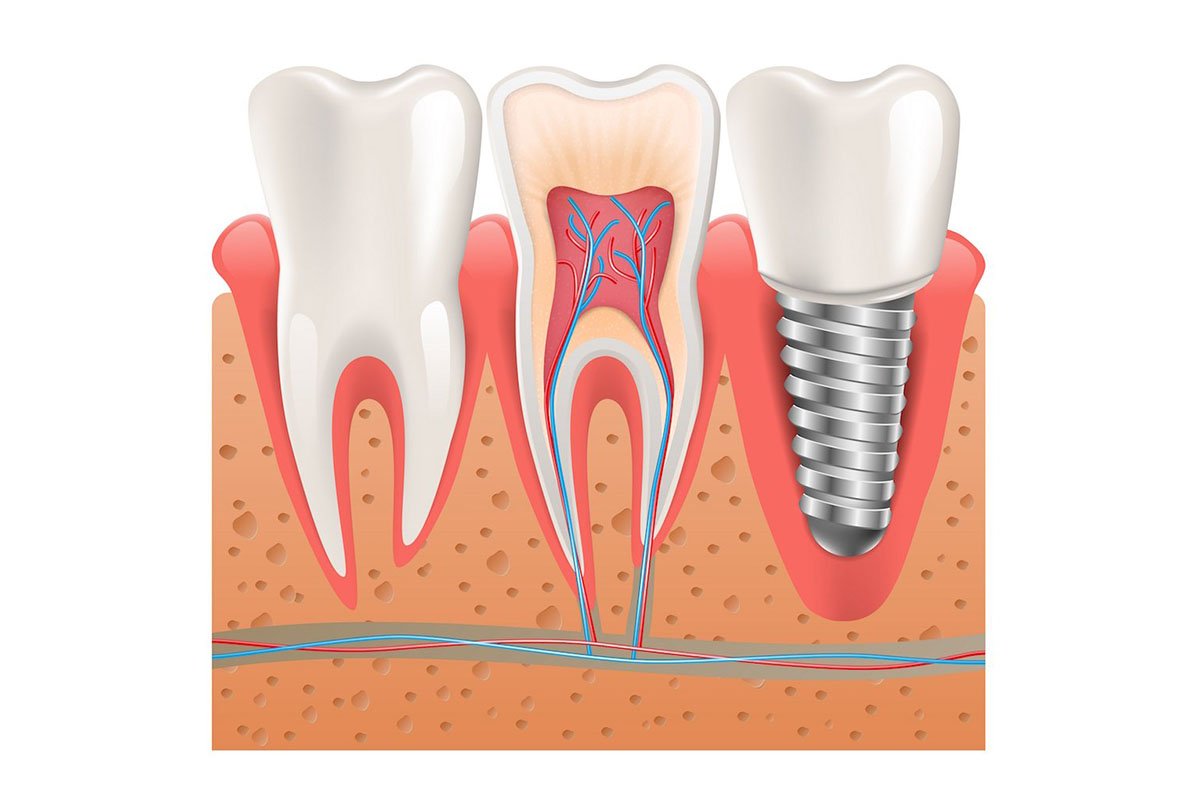
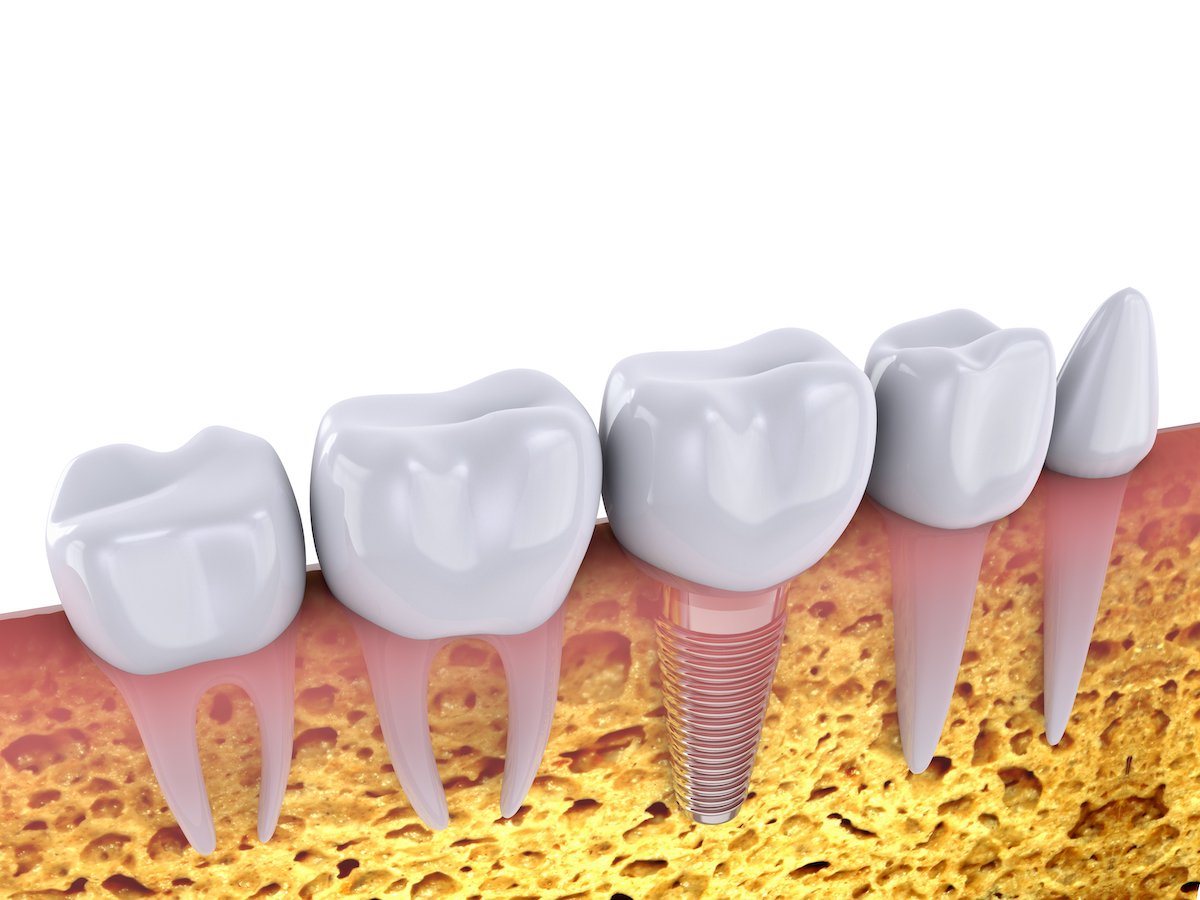
A dental implant is one way to replace a missing tooth. A small titanium post is placed in the jawbone to act as an artificial tooth root, and a crown, bridge or denture is attached to it. The result is designed to look and function much like a natural tooth.
Unlike a conventional bridge, an implant does not rely on the neighbouring teeth for support, and unlike most dentures, it is fixed in place. If you have missing teeth and healthy gums and enough jawbone, implants may be an option for you. Suitability is confirmed after a clinical assessment.
Eight things to know about dental implants
1. Implants are fixed in place
A common concern with dentures is that they can move or slip when you eat or talk. An implant-supported crown or bridge is fixed to the implant, and implant-retained dentures clip on securely, which can feel more stable.
After the implant is placed, the bone gradually bonds to its surface over roughly two to three months, a process called osseointegration. Once healed, the implant is held firmly in the jaw.
2. Neighbouring teeth are left alone
A conventional bridge usually involves shaping the teeth on either side of the gap to support it. An implant stands on its own, so healthy neighbouring teeth generally do not need to be reduced.
3. They are made from durable materials
Implants are usually made from titanium, a strong, corrosion-resistant material that the body generally tolerates well. The crown on top is designed to withstand normal chewing forces, but like any restoration it can chip or wear and may need replacing in time.
4. They can help you chew and speak comfortably
Because an implant is anchored in the jawbone, it can restore chewing much like a natural tooth. Replacing missing teeth may also help with speaking clearly where gaps have made this harder.
5. They may help preserve jawbone
When a tooth is lost, the bone that supported it tends to shrink over time. An implant stimulates the bone in a similar way to a natural root, which may help reduce this bone loss and support the shape of the face.
6. They are designed to look natural
The crown is shaped and coloured to blend in with your other teeth. Replacing a gap may help you feel more comfortable smiling and eating, without worrying about a denture moving.
7. They need the same care as natural teeth
An implant crown cannot decay, but the gum and bone around it can still become inflamed and infected, a condition called peri-implantitis. Brushing twice a day, cleaning between the teeth and around the implant every day, and keeping up regular check-ups and cleans are essential.
8. Consider the long-term cost
Dentures and bridges usually cost less up front, but dentures may need relining or replacing over time. Implants cost more initially, and with good care they can last many years, although no lifespan can be promised. Your dentist can talk you through the likely long-term costs of each option.
The dental implant procedure
Treatment starts with an individual plan. Your dentist reviews your medical history, examines your teeth and gums and uses imaging, such as 3D (CBCT) scans and digital X-rays, to assess your jawbone. At our practice, our principal dentist, Dr Rashi Gupta, has a special interest in implant dentistry and has completed postgraduate implant training.
The implant is then placed in the jawbone, usually under local anaesthetic. If you feel anxious, sedation options may be available for suitable patients. Healing commonly takes around two to three months, although this varies.
Once the implant has bonded with the bone, a small connector called an abutment is attached. Your dentist takes impressions or scans of your teeth so the new crown can be made to fit your bite and match the colour of your natural teeth. The crown is then fitted to the abutment. Where several teeth are missing, implants can instead support a bridge or a removable denture.
Risks and alternatives
Implant placement is surgery, and all surgery carries risk. Possible complications include infection, injury to nearby teeth or nerves, sinus problems in the upper jaw, and an implant that does not bond with the bone. Smoking, diabetes that is not well controlled and some medications can increase these risks.
Implants are not suitable for everyone, and dentures or bridges remain good options for many people. For a step-by-step guide to your first appointment, read dental implants: what to ask first.
If you are considering dental implants, call our Hoppers Crossing team on (03) 9749 1178 or request an appointment online. You can read more on our dental implants page.
This article is general information only and is not a substitute for advice from a registered health practitioner. Suitability, risks, benefits and costs depend on your individual situation and are confirmed after a clinical assessment. All dental treatment carries risks, and outcomes vary between patients.