
Tooth decay
Once decay reaches the inner layers of a tooth it can irritate or infect the nerve, and the pain may become constant.
Tooth fillings: Tooth decayPainkillers can take the edge off, but lasting relief usually means treating what is behind the pain. Call our Sayers Road practice and we will try to see you the same day during opening hours.

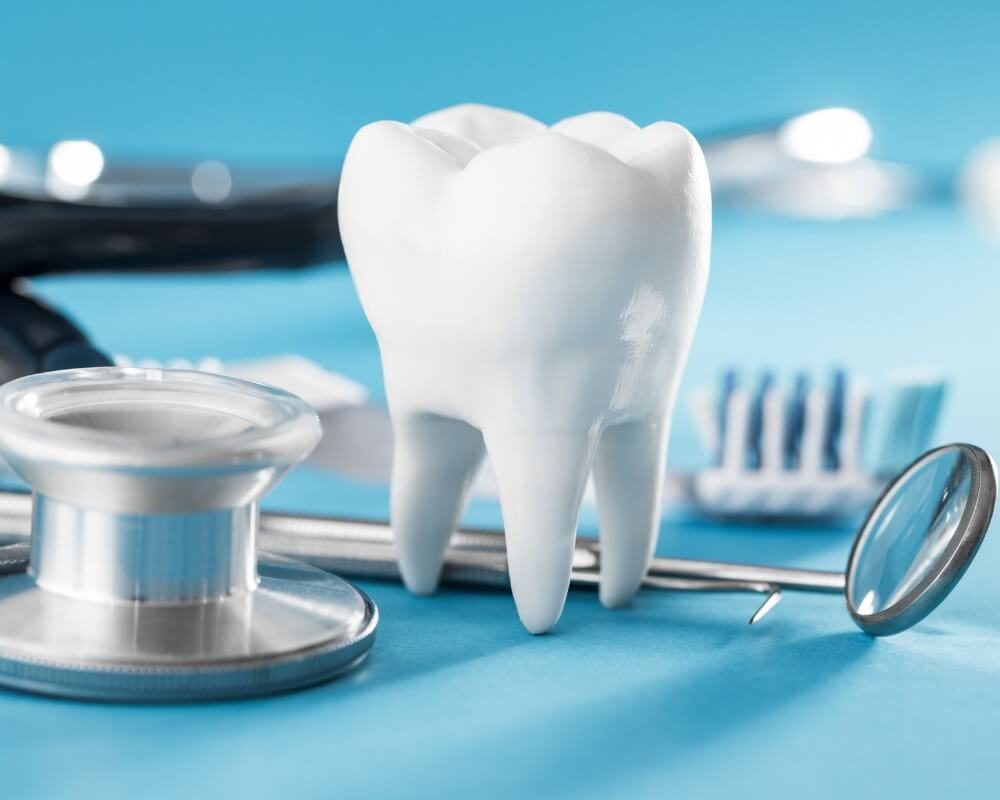
Toothache can be a dull ache, a sharp twinge when you bite, or a throbbing pain that keeps you awake. Sometimes hot, cold or sweet food sets it off; at other times it seems to come from nowhere and spreads to the jaw, ear or head.
Pain relief can make the next few hours easier, but it does not deal with the cause. The tooth that hurts is not always the one with the problem, so an examination and X-rays help your dentist pinpoint what is going on. Call us promptly if:
Toothache has many possible causes. These are some of the most common reasons people visit our Hoppers Crossing practice with dental pain.
Once decay reaches the inner layers of a tooth it can irritate or infect the nerve, and the pain may become constant.
Tooth fillings: Tooth decayA crack can let bacteria in and may cause a sharp pain as you bite down or let go.
Broken teeth: Cracked or broken teethA pocket of infection at the root tip or in the gum can cause throbbing pain and swelling.
Dental abscess: Dental abscessWhen gums pull back, exposed root surfaces can become tender to temperature, touch and sweet food.
Gum treatments: Gum disease and receding gumsA tooth that cannot fully come through, often a wisdom tooth, can inflame the gum around it and cause pain.
Wisdom teeth: Impacted teethBruxism can make teeth and jaw muscles ache, and may wear or crack teeth and fillings over time.
Splints: Clenching and grindingPain in the upper back teeth can also come from a blocked sinus, and an uneven bite can overload particular teeth. Your dentist will help work out whether the cause is dental.
These steps may help in the short term. They do not treat the cause, so please arrange to see a dentist even if the pain settles.
Brush gently and use floss to remove any food caught between the teeth, which can sometimes be the source of pressure and pain.
Dissolve half a teaspoon of salt in a glass of warm water, swish it around gently and spit it out.
Hold an ice pack wrapped in a tea towel on your cheek for 10 to 15 minutes at a time. Avoid heat packs on a swollen face.
Paracetamol or ibuprofen may help if they are suitable for you. Follow the pack instructions or ask a pharmacist, and do not give aspirin to children.
Placing aspirin, clove oil or other remedies directly on the tooth or gum can burn or irritate the tissue.
An extra pillow at night may ease throbbing, and steering clear of very hot, cold or sugary food can stop the pain flaring. Then call us on (03) 9749 1178.
A tooth infection can occasionally spread into the face and neck. Go to a hospital emergency department or call 000 if you notice any of these signs.
If severe pain or swelling starts outside our opening hours, including on a Sunday or Monday, hospital is the right place to go. Contact us when we reopen so we can follow up.
We ask where it hurts, what sets it off and how long it has been going on, and review your medical history.
A careful check of the teeth and gums, with digital X-rays, helps find the source of the pain.
Where possible we start by easing the pain, for example by dressing the tooth or draining an infection, under local anaesthetic.
Depending on the cause, this may be a filling, root canal treatment, gum care or removing the tooth. We explain the options, risks and costs first.
General information only. For advice about your own symptoms, please call us on (03) 9749 1178.
Tooth decay is one of the most common causes, especially once it reaches the nerve inside the tooth. Cracked teeth, gum problems, infection and grinding can also cause pain. An examination and X-rays help your dentist identify the cause.
Call us promptly if the pain is severe, keeps you awake, or comes with swelling, fever or a bad taste. If swelling spreads towards the eye or neck, or you have trouble breathing or swallowing, go to a hospital emergency department or call 000.
Sometimes the pain eases, but the cause is usually still there. Pain that fades can mean the nerve inside the tooth is dying, and an infection may develop later. It is worth having the tooth checked even if it has settled.
Antibiotics are not routinely needed for toothache and they do not repair the tooth. They may be prescribed when an infection is spreading, alongside dental treatment that deals with the source.
Paracetamol or ibuprofen may help if they are suitable for you; follow the directions on the pack or ask your pharmacist. Do not give aspirin to children, and never hold aspirin against the tooth or gum.
Brief sensitivity is often linked to worn enamel, receding gums or a small area of decay. Pain that lingers after something hot or cold can point to inflammation of the nerve. Sensitive teeth has more information.
We keep time aside for urgent problems and will try to see you the same day during opening hours, Tuesday to Saturday. Please call (03) 9749 1178 as early in the day as you can.
For toothache, the quickest way to reach us is by phone on (03) 9749 1178. You can also book online, or request a call back for a less urgent visit.
Sayers Dental Aesthetics & Implants
1/483 Sayers Road, Hoppers Crossing VIC 3029
(03) 9749 1178 · admin@sayersdental.com.au
Request a call back
Complete the form and our reception team will be in touch during business hours.
Your information is kept private and used only to respond to your enquiry. See our privacy policy. For urgent dental pain, please call us.