
01.Check
Assess the injury
We examine the tooth, the socket, the neighbouring teeth and the soft tissues, and ask how and when the injury happened.
Handle the tooth gently, keep it moist and phone our Sayers Road practice straight away. Ideally, a dentist should see you within 30 minutes.
When a tooth is knocked out completely, the thin layer of living cells on the root surface starts to dry out and die within minutes. Those cells help the tooth reattach, so how you handle and store the tooth in the first half hour can make a real difference.
Pick the tooth up by the crown, the white part you normally see, and keep your fingers off the root. Then follow the steps below and call us. A knocked-out tooth cannot always be saved, but acting quickly can improve the chance of keeping it.
Stay calm and work through these steps. If there has been a blow to the head, check for a head injury before worrying about the tooth.
Pick it up by the white chewing part. Do not touch or hold the root.
Swish it for a few seconds in milk or saline. Do not scrub it, use soap or wrap it in tissue, and do not let it dry out.
Check it is facing the right way, then gently push it back into place, or position it over the socket and close the mouth slowly.
Bite gently on a clean cloth or gauze, or hold the tooth with your fingers, to keep it steady.
Place it in a small container of milk, or wrap it in cling wrap. An adult can instead hold it inside the cheek, next to the gum. Avoid storing it in water.
Call (03) 9749 1178 and bring the tooth with you. Ideally, a dentist should see you within 30 minutes of the injury.
A tooth knocked out in a fall, collision or sporting accident can come with other injuries. If any of these apply, go to a hospital emergency department or call 000. Keep the tooth in milk and tell the staff about it.
If the injury happens when we are closed, including Sundays and Mondays, go to the nearest hospital emergency department rather than waiting.
We examine the tooth, the socket, the neighbouring teeth and the soft tissues, and ask how and when the injury happened.
Digital X-rays show the root and the bone around it, and whether other teeth have been affected.
Once the tooth is back in position, it is usually joined to its neighbours with a thin, flexible splint for a short time while it settles.
Replanted teeth need monitoring. Root canal treatment is often needed, and follow-up visits check how the tooth is healing.
Root canal therapy: Review over timeA knocked-out tooth cannot always be saved, even with prompt care. If it cannot be kept, your dentist will talk you through replacement options such as a dental implant, bridge or denture.
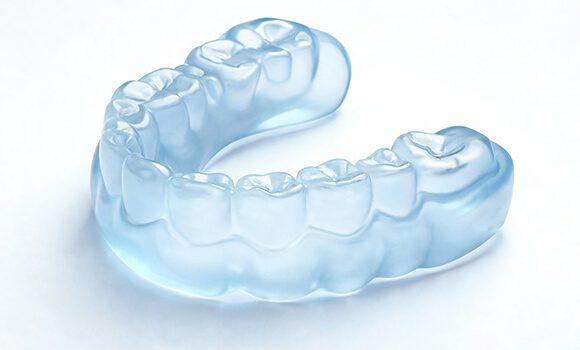
Many knocked-out teeth happen during contact sport, cycling and play. A custom-fitted mouthguard, made from an impression or scan of your teeth, is designed to stay in place and help spread the force of a blow.
If you or your children play football, basketball, netball, hockey or martial arts, ask us about a mouthguard at your next check-up.
General information only. If a tooth has just been knocked out, call us now on (03) 9749 1178.
An adult tooth can often be put back in its socket, and the sooner this happens the more likely it is to reattach. Hold it by the crown, rinse it briefly in milk or saline if dirty and push it gently into place. A baby tooth should not be put back in.
Time is important. Ideally the tooth should be back in its socket, or the person seen by a dentist, within 30 minutes. A tooth that has been out for longer may still be treated, but the chance of it surviving generally falls the longer it is out of the mouth, especially if it has dried out.
Milk is easy to find and has a balance of salts closer to the body's own fluids, so it helps keep the root cells alive for longer. Plain water causes those cells to swell and burst, which is why it is not recommended.
No. Putting a baby tooth back can harm the adult tooth developing beneath it. Keep your child calm, control any bleeding and bring them in so we can check the area. Children's dental emergencies has more advice.
Call us promptly. Do not try to force the tooth back or wiggle it. Bite gently on a clean cloth to keep it steady, eat soft food, and have it checked the same day if possible.
Often, yes. Adult teeth with fully formed roots usually need root canal treatment within a few weeks of being replanted, because the nerve does not reconnect. In children whose roots are still developing, your dentist may monitor the tooth first.
If the tooth cannot be kept, or does not survive over time, options such as a dental implant, bridge or denture can be discussed. Suitability is confirmed after a clinical assessment, and all treatment carries risks.
For a knocked-out tooth, please phone (03) 9749 1178 rather than using the form, so we can advise you and arrange to see you as quickly as possible.
Sayers Dental Aesthetics & Implants
1/483 Sayers Road, Hoppers Crossing VIC 3029
(03) 9749 1178 · admin@sayersdental.com.au
Request a call back
Complete the form and our reception team will be in touch during business hours.
Your information is kept private and used only to respond to your enquiry. See our privacy policy. For urgent dental pain, please call us.