
01.Implant
Dental implant
A titanium post placed in the jaw to support a crown, without reshaping the neighbouring teeth.
Dental implants: Dental implantWe look at ways to keep a tooth first. When removal is the most sensible option, it is carried out gently under local anaesthetic, with clear aftercare.
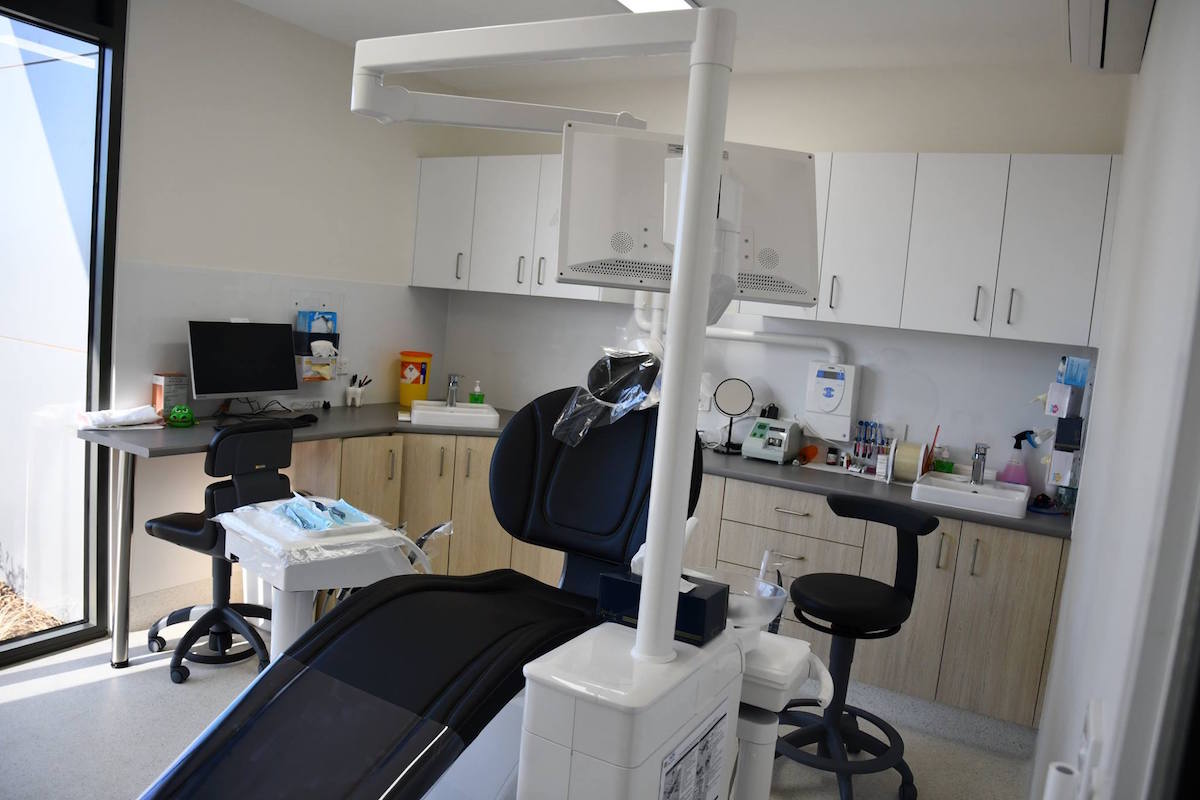
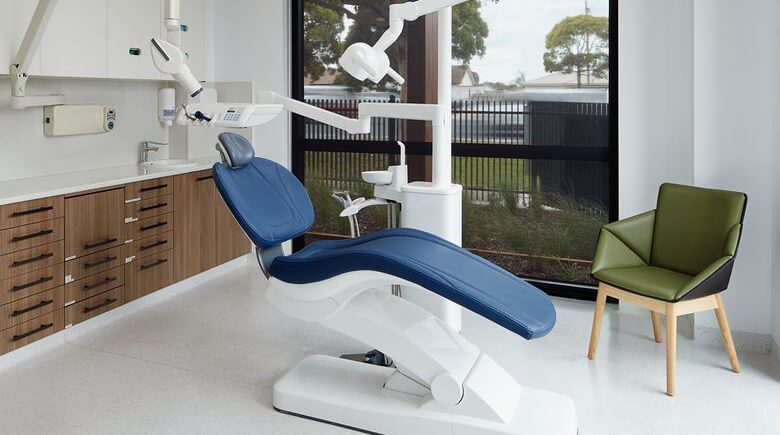
Wherever a tooth can reasonably be repaired, with a filling, a crown or root canal therapy, we will talk you through that option first. Sometimes, though, a tooth is too broken, too decayed or too loose to restore reliably, and removing it may protect your comfort and the health of the teeth around it.
Before recommending an extraction, your dentist examines the tooth, takes an X-ray if needed and explains why removal is being suggested, the alternatives, and what replacing the tooth could involve. The decision is yours to make with that information. Teeth are most often removed because of:
Most straightforward extractions are completed in a single appointment at our Hoppers Crossing practice. More complex teeth may take longer and are planned in advance.
We review your medical history and medicines, including blood thinners, as these can affect bleeding and healing.
Local anaesthetic numbs the tooth and gum. You may feel pressure, but you should not feel sharp pain.
The tooth is gently loosened and lifted out. Some teeth are divided into sections to make removal easier.
Dissolving stitches are sometimes placed to support the gum while it heals.
You bite on gauze to control bleeding and help a blood clot form in the socket, which is the start of healing.
You leave with clear aftercare instructions and our number to call if anything concerns you.
The blood clot that forms in the socket protects the bone underneath while new tissue grows. Most aftercare advice is about keeping that clot in place for the first few days.
Some swelling, tenderness and minor oozing is common for a day or two. Contact us if bleeding does not ease with firm pressure, if pain is getting worse after the third day, or if you notice a bad taste, fever or increasing swelling.
A titanium post placed in the jaw to support a crown, without reshaping the neighbouring teeth.
Dental implants: Dental implantA replacement tooth held in place by crowns on the teeth either side of the gap.
Crowns and bridges: Fixed bridgeA removable option that can replace one tooth or many.
Dentures: Partial or full dentureThe area is numbed before anything begins, and your dentist checks it is working before going ahead.
Each step explained as it happens, and an agreed signal you can use to pause at any time.
IV sedation or general anaesthesia may be considered for suitable patients after a medical review.
Sedation dentistry: Sedation optionsGeneral information about tooth removal. For advice about your own tooth, please book an assessment.
The area is numbed with local anaesthetic, so you should feel pressure rather than sharp pain during the extraction. Some soreness for a few days afterwards is common and usually manageable with pain relief your dentist recommends. Sedation can be discussed if you feel anxious.
The gum usually closes over within one to two weeks, while the bone underneath continues to remodel over several months. Healing time varies with the tooth, how complex the extraction was and your general health.
A dry socket happens when the blood clot is lost from the socket before it has healed, leaving the bone exposed. It usually causes increasing pain two to four days after the extraction. Avoiding smoking, straws and forceful rinsing helps reduce the risk; contact us if you think you have one.
Once the numbness has worn off, choose soft foods such as yoghurt, scrambled eggs, lukewarm soup and mashed vegetables. Chew on the other side and avoid hard, crunchy or very hot food for the first few days.
It depends on where the tooth was and how the gap affects your bite and appearance. Gaps can allow neighbouring teeth to drift over time. Your dentist will talk you through implants, bridges and dentures, as well as the choice to leave the space.
Sometimes, if the extraction is straightforward and an appointment is available. Urgent problems such as severe pain or swelling are prioritised, so call early in the day. More complex extractions are usually planned for a separate appointment.
Wisdom teeth that have fully come through are often removed in a similar way. Impacted wisdom teeth may need a small surgical procedure. Read about wisdom teeth.
Worried about a tooth? Book an assessment and we'll explain whether it can be saved, and what removal and replacement would involve if not.
Sayers Dental Aesthetics & Implants
1/483 Sayers Road, Hoppers Crossing VIC 3029
(03) 9749 1178 · admin@sayersdental.com.au
Request a call back
Complete the form and our reception team will be in touch during business hours.
Your information is kept private and used only to respond to your enquiry. See our privacy policy. For urgent dental pain, please call us.