
01.All teeth
Full dentures
Replace every tooth in the upper or lower jaw, resting on the gums and, for upper dentures, the palate.
Full, partial and implant-retained dentures, along with relines and repairs, planned and fitted at our Sayers Road practice.
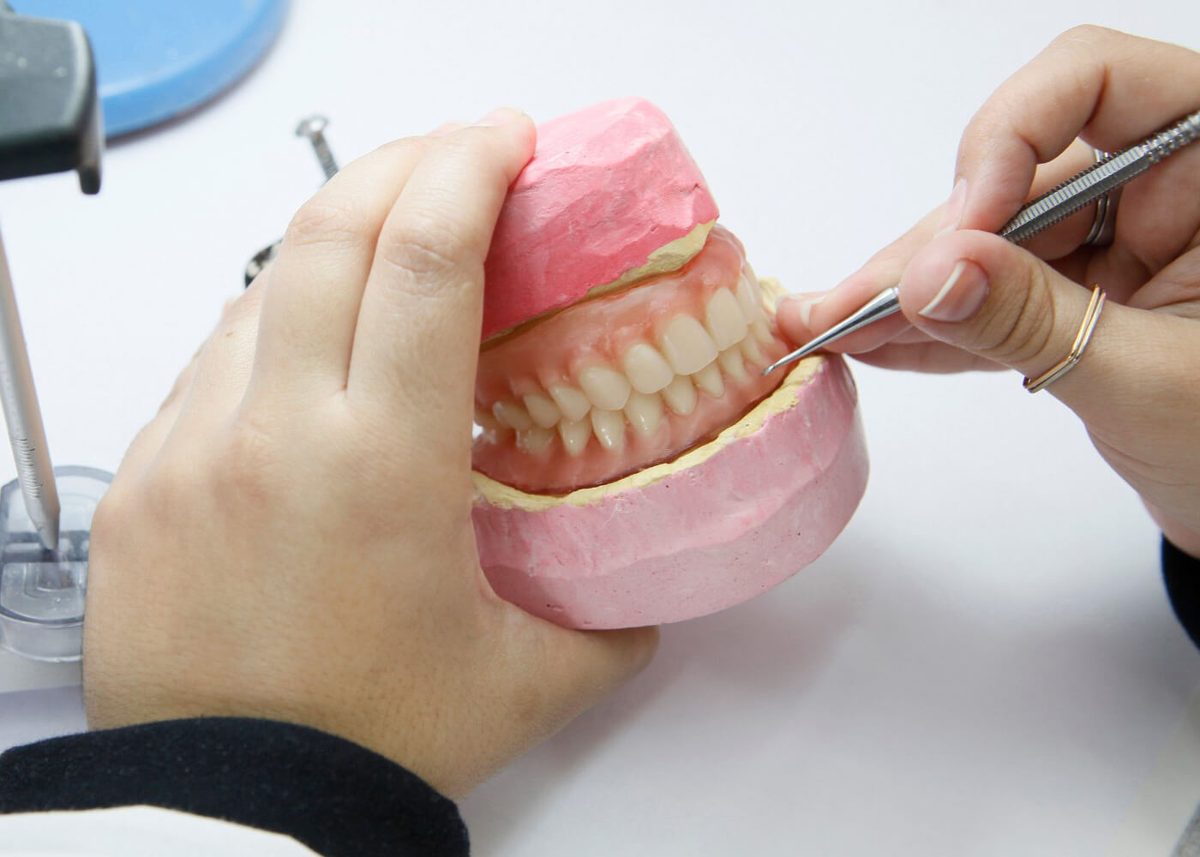
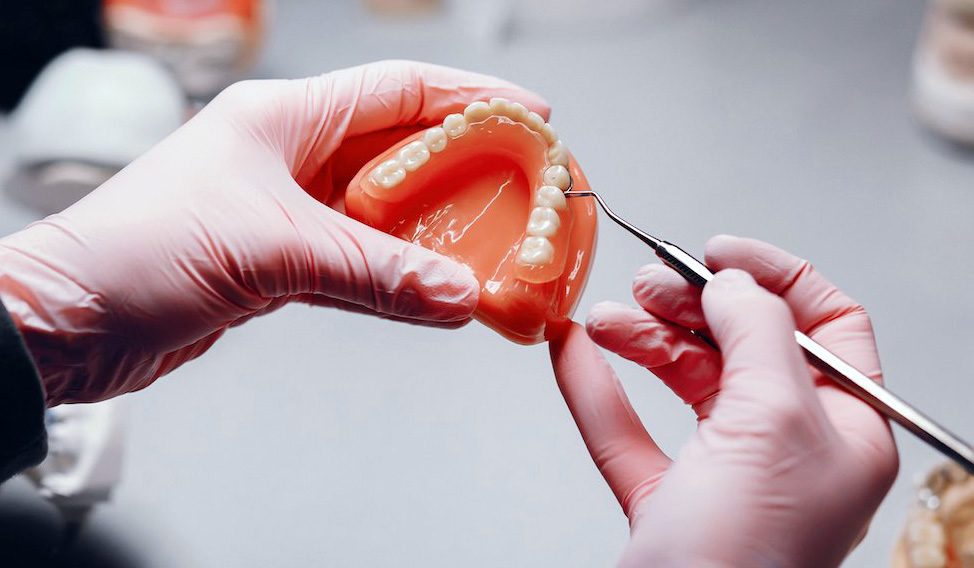
A denture is a removable set of replacement teeth on a gum-coloured base. It can replace every tooth in a jaw or fill the gaps between the natural teeth you still have, helping with chewing and speech and supporting the shape of your lips and cheeks.
At our Hoppers Crossing practice we begin by looking at your gums, any remaining teeth and the bone underneath, and by asking what you want from your new teeth. We then explain the options that may suit you, including fixed alternatives, so you can compare them before deciding. Results vary from person to person.
The right type depends on how many teeth are missing, the health of the teeth that remain and your own preferences.
Replace every tooth in the upper or lower jaw, resting on the gums and, for upper dentures, the palate.
Fill gaps between remaining natural teeth, held in place by clasps or attachments on an acrylic or metal frame.
Clip onto two or more dental implants, which may help stop the denture moving when you eat or talk.
About implants: Implant-retained denturesA reline refits the base to your gums as they change; repairs deal with cracks, breaks and lost teeth.
Broken dentures: Relines and repairsSuitability for each type, including implant-retained options, is confirmed after a clinical assessment.
New dentures usually take a few weeks and several short appointments. Each stage lets us check the fit, appearance and comfort before the final denture is made.
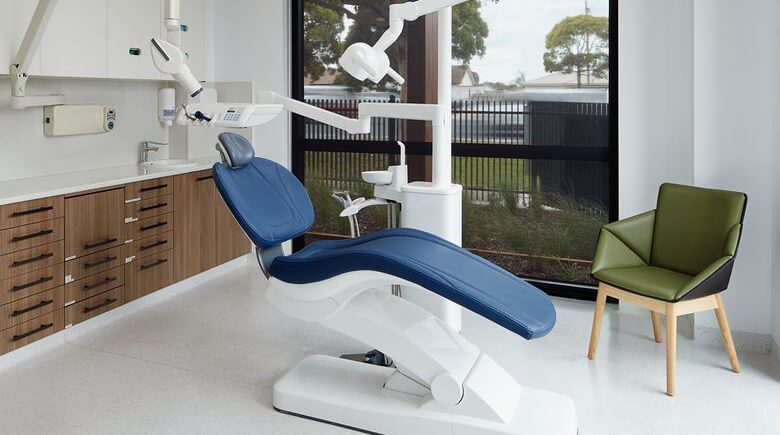
We examine your mouth, take X-rays where needed and talk through the options, timeframe and estimated fees.
Moulds of your jaws and measurements of how they meet guide the size and position of the new teeth.
You try a wax version of the denture so the fit, tooth shape, shade and bite can be checked and changed if needed.
The finished denture is fitted and adjusted, and we show you how to put it in, take it out and clean it.
Follow-up visits let us ease any sore spots while your mouth gets used to the denture.
New dentures can feel bulky at first. Your cheeks and tongue need time to learn to hold them in place, and you may notice extra saliva, a few sore spots or a change in your speech for a while.
These usually ease over the first few weeks. Call us if a sore spot does not settle, because a small adjustment often helps.
General information only. Your dentist will advise what suits you after an examination.
New dentures can cause some sore spots while your gums adjust, especially in the first few weeks. This usually settles, and small adjustments at a review appointment can help. Ongoing pain is not normal, so please let us know.
You can, but taking them out overnight is usually recommended. It gives your gums and the bone underneath a rest from the pressure of the day and makes cleaning easier. Your dentist will advise what suits you.
Most people return to a wide range of foods once they are used to their dentures, but it takes practice. Start with soft foods cut into small pieces, chew on both sides, and take care with very hard or sticky foods.
Dentures wear, and your gums and jawbone change shape over time, so they may need relining, repair or replacement after some years. Regular reviews help us check the fit and spot problems early.
A reline reshapes the fitting surface of a denture so it sits closely against your gums again. It is often needed as the gums and bone shrink after teeth are lost, and can help a loose denture feel more secure.
They may, if you have enough jawbone and suitable general health. Implants can help hold a denture steady, but they involve surgery, healing time and extra cost. Suitability is confirmed after an examination and 3D imaging.
Keep all the pieces, avoid gluing it yourself and call us to arrange a repair. Read about broken dentures.
Whether you need your first denture or a reline or repair, we'll check your mouth, explain the options and give you a written estimate.
Sayers Dental Aesthetics & Implants
1/483 Sayers Road, Hoppers Crossing VIC 3029
(03) 9749 1178 · admin@sayersdental.com.au
Request a call back
Complete the form and our reception team will be in touch during business hours.
Your information is kept private and used only to respond to your enquiry. See our privacy policy. For urgent dental pain, please call us.