
01.Single
Single tooth implant
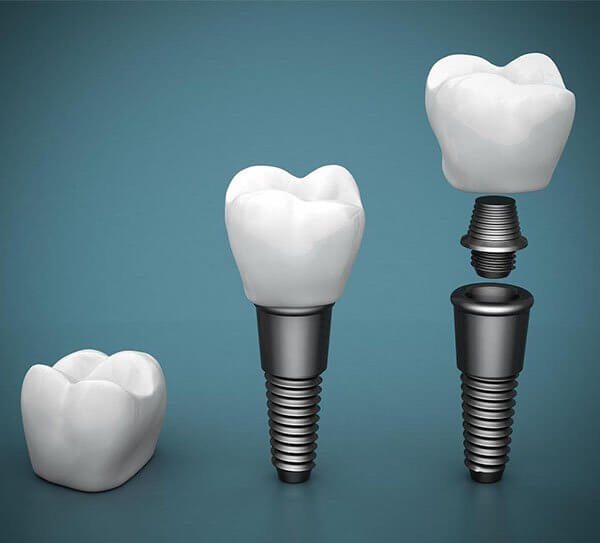
One implant and a crown fill a single gap, leaving the teeth on either side untouched.
Single, multiple and full-arch dental implants at our Sayers Road practice, planned with 3D imaging and tailored to your mouth, your health and your goals.

Your teeth support one another. If a gap is left open, the teeth beside it may lean or drift into the space, and the tooth above or below it can over-erupt. Gradually that can alter the way your teeth meet and put more strain on the remaining teeth and your jaw joints.
The jawbone where a tooth used to sit also tends to shrink with time. Filling the gap may help protect your bite, keep neighbouring teeth in position and support your lips and cheeks. Common reasons people ask us about implants include:
An implant is a small titanium post that takes the place of a tooth root in the upper or lower jaw. During healing, which usually takes a few months, bone grows tightly against the implant surface so it can act as a firm anchor.
Once healed, implants may hold a single crown, a bridge spanning several teeth, or a denture. Which of these suits you depends on the number of missing teeth, how much bone is present and your overall health, and is decided after a clinical examination and 3D imaging.
Implant treatment can be tailored to how many teeth are missing and the result you are after. These are the most common options.
One implant and a crown fill a single gap, leaving the teeth on either side untouched.
Several missing teeth in a row are replaced with a bridge held securely by implants.
Implants add stability to a removable denture, which can make eating and speaking more comfortable.
A full arch of fixed teeth supported by four or more implants (All-on-X).
Explore All-on-X: Full arch All-on-XThe right option for you depends on your jawbone, any remaining teeth and what you hope to achieve. This is confirmed after a clinical assessment and 3D imaging.
Many people missing one, several or all of their teeth may be suitable for dental implants. Some people may benefit from preparatory treatment first, such as treating gum disease or a bone graft.
This is a general guide only and is not a diagnosis. A consultation is needed before any treatment can be confirmed.
Each plan is individual, though most implant treatment moves through the stages below. How long each stage takes differs from person to person, and your dentist will talk you through your own timeline.
We talk about your goals, examine your teeth and gums and review your medical history.
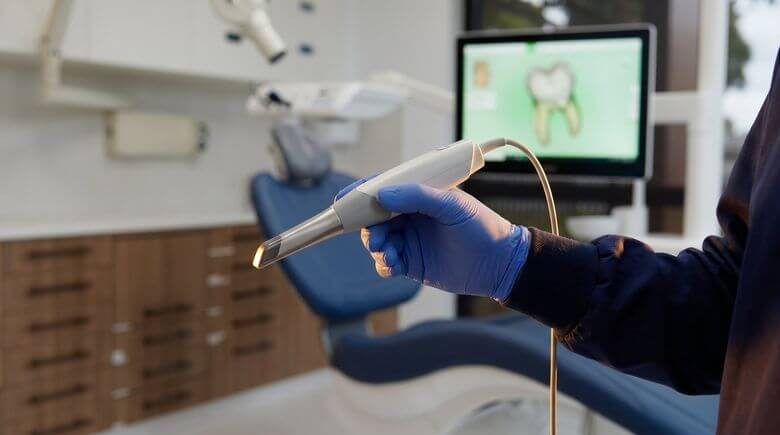
Scans show the bone and nearby structures so the implant position can be planned carefully.
You receive the recommended option, the alternatives, the risks, a timeframe and an estimate, with time to consider them.
The implant is placed under local anaesthetic, with sedation options for suitable patients.
Healing usually takes around three months or longer before the final crown, bridge or denture is fitted.
Ongoing check-ups and professional cleans let your dentist keep an eye on the implant and the gum around it.
The standard approach for most implant procedures. The area is numbed so treatment is designed to be comfortable.
Medication given through a vein helps you feel deeply relaxed during longer procedures, for suitable patients after a medical review.
For extensive treatment where other options are unsuitable, arranged after specialist medical review.
Sleep dentistry: General anaesthesiaGeneral information about dental implants. For advice specific to your situation, please book a consultation.
An implant is a small titanium post set into the jawbone in place of a tooth root. After the bone has healed around it, the implant can hold a crown, a bridge or a denture.
Many adults with one or more missing teeth may be suitable. Your dentist looks at your gum health, the amount of jawbone available, your general health and whether you smoke. Suitability is confirmed after an examination and 3D imaging.
Treatment from planning to the final tooth commonly spans several months, as the jawbone needs time to fuse with the implant. Many people are back to their usual routine a few days after placement. Your dentist will outline the timeframe for your plan.
Local anaesthetic is used to numb the area before placement, and sedation can be discussed if you are nervous. Tenderness, swelling or some bruising for a few days afterwards is common, and you will be given aftercare instructions to help you recover.
There is no fixed lifespan, and none can be promised. Gum health, cleaning at home, smoking, your bite and regular check-ups all influence how long an implant lasts.
Sometimes. Some implants can go in at the same visit as the extraction, while in other cases letting the site heal first is the safer choice. Your dentist will recommend an approach based on the site and your health.
It depends on your plan. Some treatments include a temporary tooth or bridge soon after placement, while others need a healing period before the final tooth is fitted.
Fees vary with the number of implants, imaging, any preparatory work such as bone grafting and the restoration chosen. A written estimate is provided after your assessment, and health fund rebates depend on your level of cover.
Yes. Payment plans are available through MediPay, TLC, Zip and Afterpay, subject to the provider's approval and lending criteria. See payment options.
Brush twice daily, use the interdental brushes or floss your dentist recommends around the implant, avoid smoking, and attend regular reviews and professional cleans.
Start with an initial implant consultation. We'll assess your situation, talk through the options that may suit you and provide a clear written estimate.
Sayers Dental Aesthetics & Implants
1/483 Sayers Road, Hoppers Crossing VIC 3029
(03) 9749 1178 · admin@sayersdental.com.au
Request a call back
Complete the form and our reception team will be in touch during business hours.
Your information is kept private and used only to respond to your enquiry. See our privacy policy. For urgent dental pain, please call us.