
01.Soreness
Tender teeth
Teeth often ache for a few days after braces are fitted or adjusted. Soft foods and over-the-counter pain relief, taken as directed on the label, can help.
Practical guidance on cleaning, eating, soreness and minor breakages while you or your child are wearing braces, from the team at our Sayers Road practice.

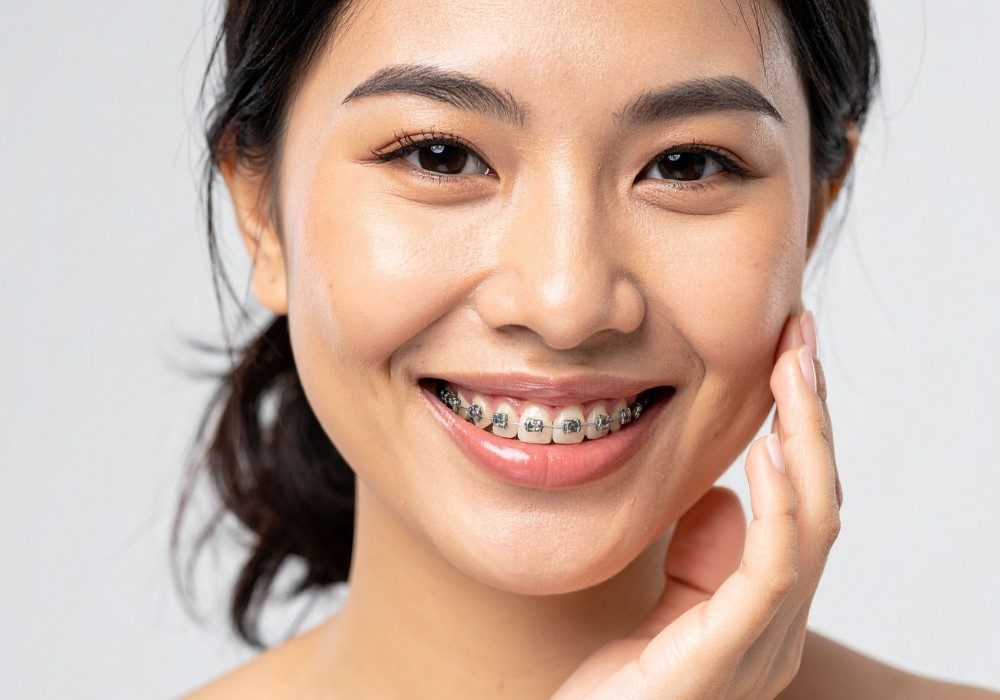
Brackets, wires and elastic ties create small ledges where food and plaque collect, often right beside the gumline. If plaque is left there, it can lead to swollen gums, decay and chalky white marks on the enamel that may still show after the braces come off.
A steady routine usually becomes second nature within a few weeks. Your dentist will show you how to clean around your braces and may suggest particular brushes or products to use. This guide covers:
Brush after meals where you can, and at least twice a day with a fluoride toothpaste. Expect a thorough clean to take a few minutes longer than it did before braces. If you wear a removable appliance, take it out and brush it with water each night before bed.

Remove any elastics, removable appliances or headgear before you start.
Tilt a soft brush to about 45 degrees towards the gum and use small, gentle strokes, spending a few seconds on each tooth.
Angle the brush down over the top of each bracket, then up from underneath, without pressing hard on the wire.
Brush the tongue side of every tooth and the biting surfaces of the back teeth, as you did before braces.
Once a day, use interdental brushes, a floss threader or a thicker floss designed for braces to clean under the wire and between the teeth.
Clean brackets look bright and the edges are clearly visible. Fuzzy or dull areas need another pass.
Hard, sticky and chewy foods can snap brackets off the teeth or bend wires, and each breakage can mean an extra visit and sometimes extra time in treatment. Sugary and acidic drinks raise the risk of decay and white marks around the brackets.
Most foods are still fine with a little care: cut firm foods into bite-sized pieces and chew with your back teeth. For more ideas, read our article on foods to eat and avoid with braces.
Teeth often ache for a few days after braces are fitted or adjusted. Soft foods and over-the-counter pain relief, taken as directed on the label, can help.
Press a small piece of orthodontic wax over a bracket that rubs. Rinsing with warm salty water can soothe ulcers while your mouth adjusts.
If a bracket comes away from the tooth but stays on the wire, leave it in place, cover it with wax if it catches, and call us to arrange a repair.
Gently push the end flat with a cotton bud or cover it with wax. Avoid cutting the wire yourself, and call us for an appointment.
If an injury to the mouth causes heavy bleeding, or swelling that affects breathing or swallowing, go to a hospital emergency department or call 000.
Braces are a temporary stage, but the habits you build while wearing them can serve your teeth well for years. Keeping your adjustment visits and your regular check-ups helps your dentist spot small problems before they become bigger ones.
Getting ready to start? Read our article on actions to take before getting braces.
General information about looking after braces. If you are unsure about anything during treatment, please call us.
Ideally after each meal, and at least twice a day with fluoride toothpaste. Clean between the teeth and under the wire once a day with interdental brushes or a floss threader. A travel toothbrush makes it easier to brush when you are out.
Yes. Many people find an electric toothbrush helpful around brackets. Use a soft head, let the brush do the work and avoid pressing hard on the wires.
Usually a few days. Soft foods and over-the-counter pain relief, taken as directed, can help in the meantime. If pain is severe or lasts longer than expected, call us.
Call us during opening hours to arrange a repair. If the bracket is still attached to the wire, leave it there and cover it with orthodontic wax if it rubs. If it has come off completely, keep it and bring it with you.
Usually not, but it is worth calling us early so treatment stays on track. If a wire is causing injury or you have pain we cannot help with by phone, we will try to see you as soon as possible. Our dental emergency page explains what to do for more serious injuries.
Yes. Routine check-ups and professional cleans are more important than ever with braces, because plaque builds up more easily around brackets. They help your dentist pick up early signs of decay or gum problems.
It is wise to avoid it. Gum can stick to brackets and wires and may bend or loosen them. If you are unsure about a particular food, ask your dentist at your next visit.
If something doesn't feel right, or you would like to talk about starting treatment, call our Hoppers Crossing team or request a call back. New patients can start with a complimentary orthodontic consultation, terms apply.
Sayers Dental Aesthetics & Implants
1/483 Sayers Road, Hoppers Crossing VIC 3029
(03) 9749 1178 · admin@sayersdental.com.au
Request a call back
Complete the form and our reception team will be in touch during business hours.
Your information is kept private and used only to respond to your enquiry. See our privacy policy. For urgent dental pain, please call us.