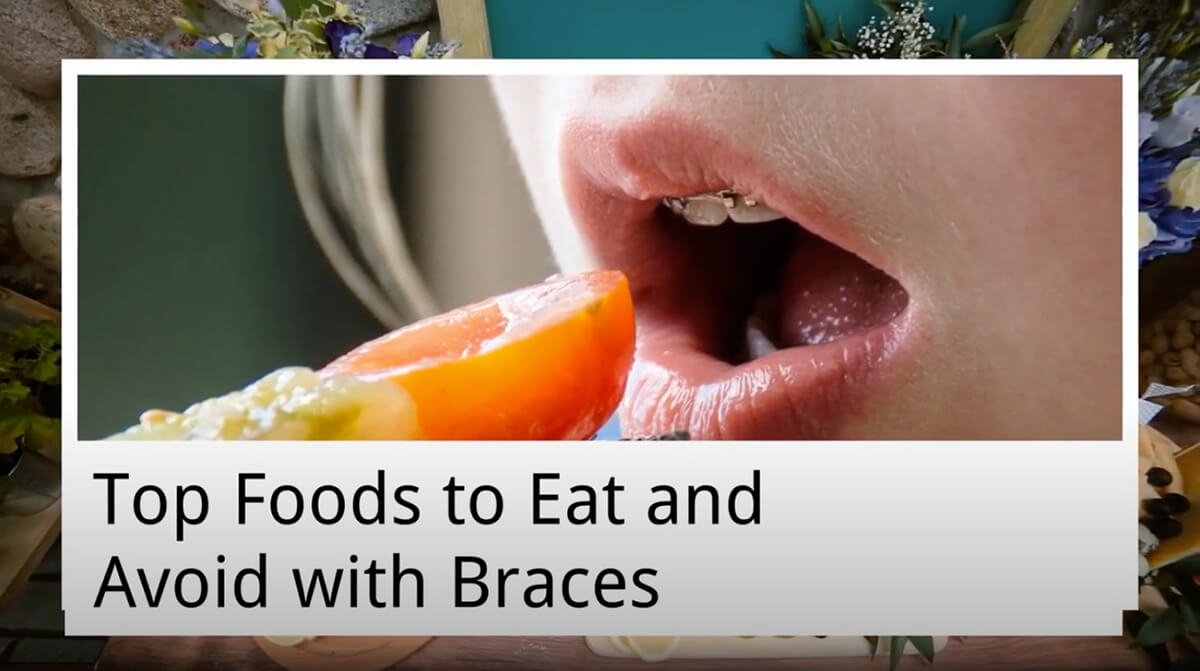
Do you know what you can and cannot eat with braces?
Wearing braces does not mean living on bland, pureed food for the length of your treatment. It does mean being a little more careful. Hard, sticky and chewy foods can loosen brackets or bend wires, which may mean extra repair appointments and can slow your progress. Food also gets trapped around brackets easily, so what you eat affects how well you can keep your teeth clean.
Here is a guide to braces-friendly foods and the ones to save until your braces come off.
Foods that are usually easy with braces
- Soft fruit such as bananas, berries, melon and ripe pears, and firmer fruit like apples cut into thin slices.
- Cooked vegetables, steamed or roasted until tender, and raw vegetables cut into small, thin pieces.
- Pasta, noodles and rice dishes, which are filling and need little effort to chew.
- Soft bread and wraps, rather than crusty rolls or bagels.
- Eggs, fish, tofu and tender or minced meat, such as meatballs, slow-cooked dishes or curries.
- Dairy foods such as yoghurt, cheese and milk.
- Mashed potato, soups and dal, especially on days when your teeth feel tender.
- Soft biscuits and thin crackers that break easily.
- Smooth spreads, such as smooth peanut butter on soft bread, if there is no allergy.
Foods to avoid or take care with
- Hard foods, such as nuts, hard lollies, ice, corn chips, pork crackling and hard biscuits, which can snap brackets off the teeth.
- Sticky and chewy foods, such as caramels, toffee, chewy lollies, liquorice, chewing gum and sticky chocolate bars, which pull on brackets and wires and cling to the teeth.
- Popcorn, as the husks wedge between the braces and the gums.
- Foods you bite into with your front teeth, such as whole apples, raw carrots, corn on the cob and crusty rolls. Cut them into small pieces or slice corn off the cob instead.
- Sugary and acidic drinks, such as soft drinks, energy drinks and sports drinks, which raise the risk of decay and white marks around the brackets.
Habits matter too. Try not to chew pens, fingernails or ice, as these can damage braces just as easily as food.
Eating when your teeth feel sore
For the first few days after your braces are fitted, and after each adjustment, your teeth may feel tender. Soft foods such as soup, yoghurt, scrambled eggs, mashed vegetables and pasta are easier during this time. If you need pain relief, use an over-the-counter medicine as directed on the pack.
Keeping your teeth clean
Plaque collects quickly around brackets and wires. Brush carefully after meals where you can, clean between your teeth and under the wire with interdental brushes or floss threaders, and rinse with water after eating if you cannot brush straight away. Our caring for braces page has more tips.
What about clear aligners?
If you have clear aligners such as Invisalign, you take them out to eat and to drink anything other than plain water, so there are fewer food rules. The important thing is to brush your teeth before putting the aligners back in, so food and sugar are not trapped against your teeth.
If something breaks
If a bracket comes loose or a wire starts poking your cheek, call us. In the meantime, a small piece of orthodontic wax pressed over the sharp area can make it more comfortable. Do not try to cut or bend the wire yourself.
If you are planning braces or have a question about your treatment, call our Hoppers Crossing team on (03) 9749 1178 or request an appointment online. You can read more about braces at Sayers Dental and the steps to take before getting braces.
This article is general information only and is not a substitute for advice from a registered health practitioner. Suitability, risks, benefits and costs depend on your individual situation and are confirmed after a clinical assessment. All dental treatment carries risks, and outcomes vary between patients.