When people think about improving their smile, they often think first of whitening, implants or porcelain veneers. These change how the surface of the teeth looks.
The position of the teeth matters too. Straightening crooked teeth is often worth considering before other cosmetic work, much like making sure a house has sound foundations before repainting it. That is why orthodontic treatment, which focuses on the bite and the alignment of the teeth, can be an important part of a smile improvement plan.
The first step is an examination. At our Hoppers Crossing practice, Dr Damien Zhao has a special interest in orthodontics, including early orthodontic assessment for children.
How orthodontics can help
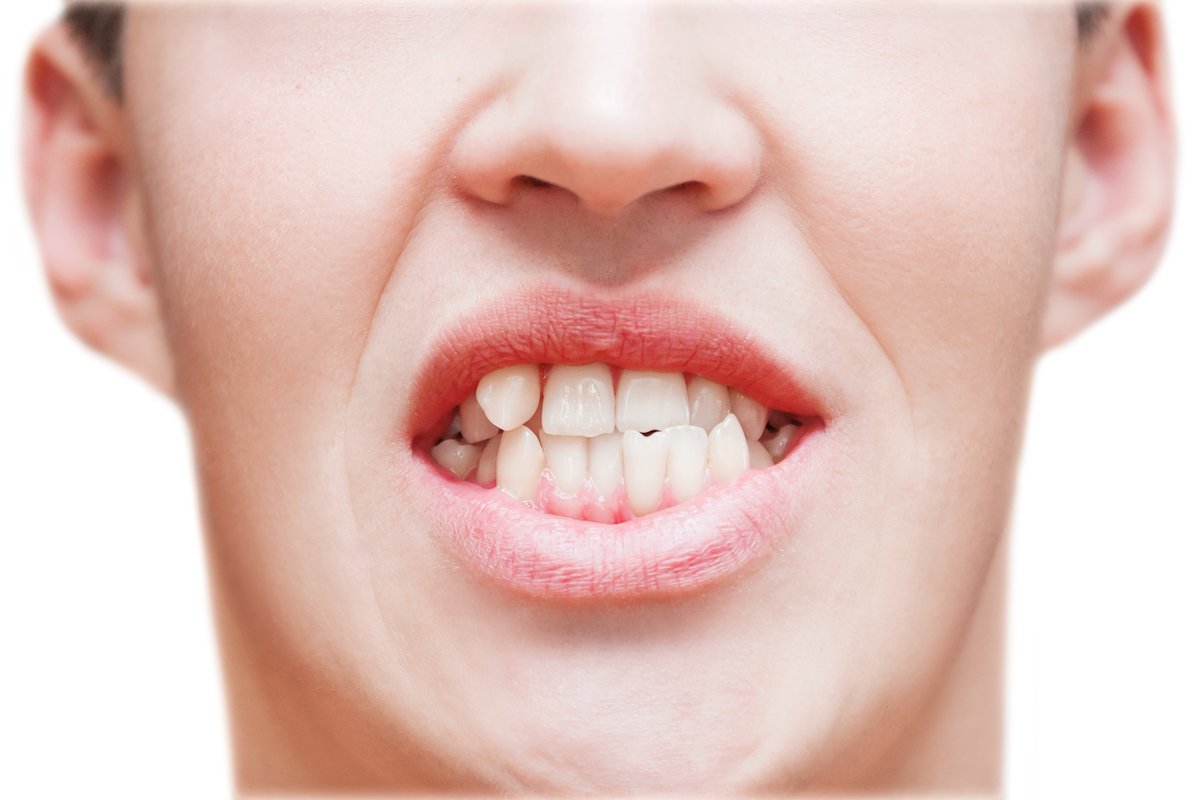
Orthodontic treatment aims to correct a malocclusion, the clinical term for teeth that are crooked or crowded, or a bite where the top and bottom teeth do not meet as they should.
Straighter teeth can change how a smile looks, but there are health reasons to consider treatment too. Crooked or crowded teeth can be harder to clean, which may increase the risk of decay and gum disease over time.
Orthodontic treatment may help with:
- a bite that does not fit together well (malocclusion)
- crooked or rotated teeth
- crowded teeth
- gaps between teeth, including spacing from missing or extra teeth
- overbites and underbites
- crossbites and open bites
More complex jaw concerns may need a referral, and your dentist will explain why if this applies to you.
Orthodontic options at Sayers Dental
We offer three main types of orthodontic treatment, and they may suit children, teenagers and adults:
- conventional braces with metal brackets
- ceramic braces with tooth-coloured or clear brackets
- Invisalign® clear aligners
Each option has advantages and limitations, suits different concerns, and differs in treatment time and cost. For a side-by-side guide, read braces and clear aligners: your options explained.
Conventional braces
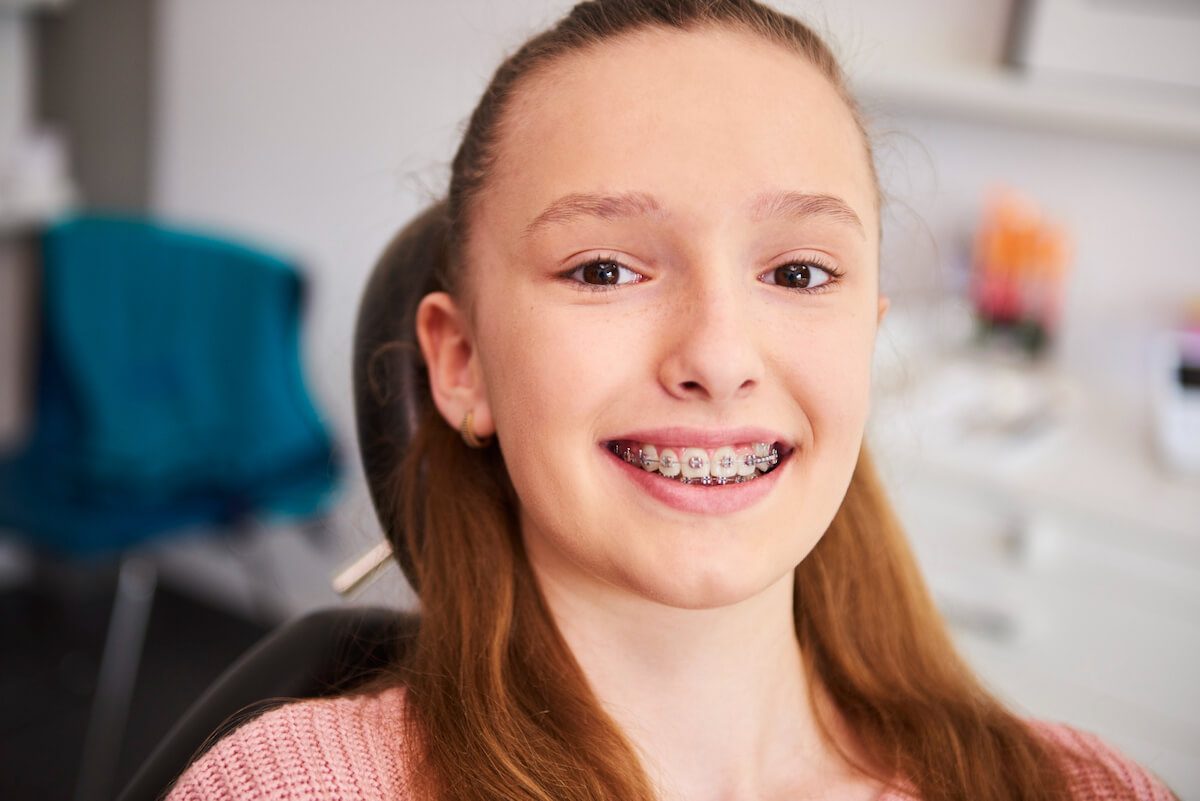
These are the metal brackets and wires most people picture when they think of braces. They are fixed to the teeth for the length of treatment.
Metal braces are often used for more complex crowding and bite problems, as they give your dentist precise control over how each tooth moves. They are also often a lower-cost option.
The main drawback is that they are more visible. Modern brackets are smaller than they used to be, and coloured elastics are available for people who would like to personalise them. Because they are fixed, there are no aligners to lose or forget to wear.
Ceramic braces
Ceramic braces work in the same way as metal braces but use tooth-coloured or clear brackets, so they are less noticeable. They are fixed in place, need careful cleaning, and can be used for a range of alignment concerns.
In some cases, treatment focuses only on the front teeth that show when you smile and may take less time. Your dentist will explain whether a shorter, limited treatment suits your teeth, and what its trade-offs are.
Invisalign® clear aligners
Invisalign® uses a series of custom-made, removable plastic aligners that fit closely over the teeth and move them gradually into position. They are made from clear plastic, so they are much less noticeable than brackets and wires.
Because aligners are removable, brushing and flossing are usually easier than with fixed braces, and you can take them out to eat. They need to be worn for most of the day, generally 20 to 22 hours, to work as planned, so they suit people who are confident they can wear them as directed.
After treatment
Once the teeth have moved into position, a retainer is usually recommended to help hold them there, because teeth tend to drift back over time. All treatment carries risks, and results vary between people; your dentist will talk these through with you before you start.
If you would like to talk about straightening your teeth, call our Hoppers Crossing team on (03) 9749 1178 or request an appointment online. You can read more about orthodontics at Sayers Dental.
This article is general information only and is not a substitute for advice from a registered health practitioner. Suitability, risks, benefits and costs depend on your individual situation and are confirmed after a clinical assessment. All dental treatment carries risks, and outcomes vary between patients.