
01.Minor
Chip or craze line
Small chips and fine surface lines in the enamel are common and may only need smoothing or a small tooth-coloured repair.
Even a small break can expose the inner layers of a tooth. Call our Sayers Road team and we will try to see you the same day during opening hours.
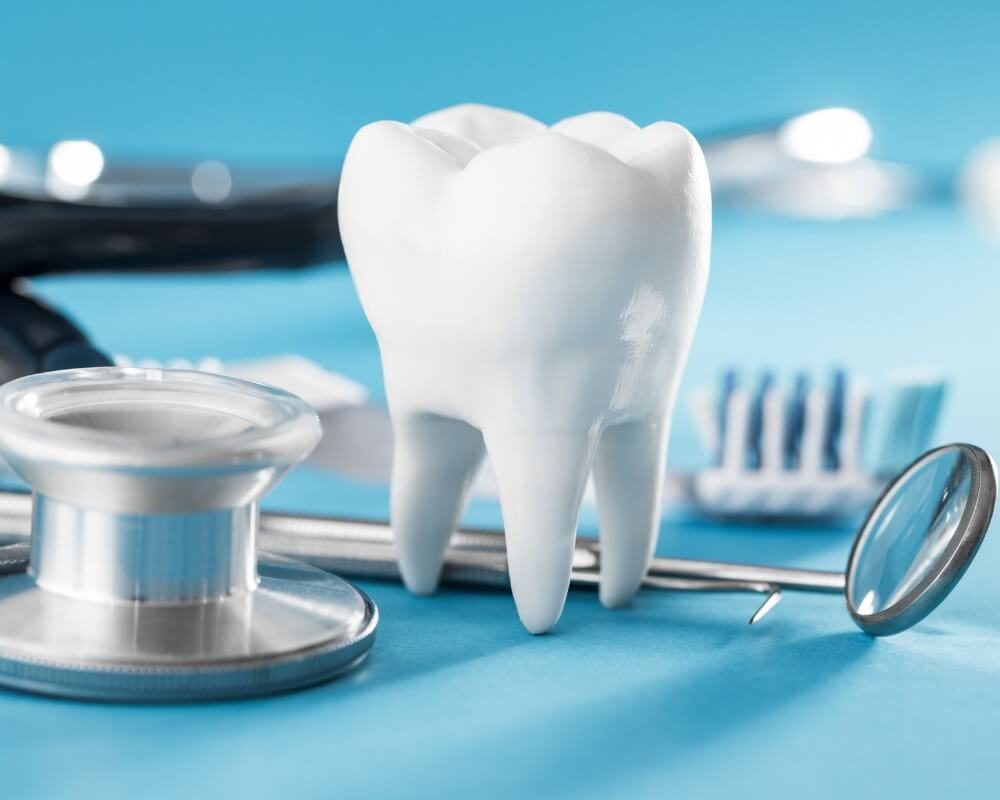
Teeth can break when you bite something hard, after a fall or knock, from grinding, or because a large old filling or decay has weakened what is left of the tooth. Some breaks are obvious; others are fine cracks you only notice when chewing.
Once the outer enamel is breached, bacteria can reach the softer layers underneath, and a crack can slowly grow. Having it assessed early may mean a simpler repair. Signs a broken tooth needs attention include:
Follow these steps while you arrange to see us. If the break happened in a fall or a blow to the head, check for a head injury first.
If you can, pick up any fragment and keep it in a small container of milk or saline. In some cases it can be bonded back on.
Rinse your mouth with warm water to clear away debris and blood.
Press clean, damp gauze or a folded cloth on the area for 10 minutes without lifting it to check.
Hold a cold pack wrapped in a tea towel against your cheek for short periods.
Cover a jagged edge with orthodontic wax or a piece of sugar-free chewing gum, and chew on the other side.
Take pain relief as directed on the pack if it is suitable for you, avoid very hot or cold food and drinks, and call us on (03) 9749 1178.
Broken teeth range from cosmetic chips to deep splits. The type of break guides what can be done.
Small chips and fine surface lines in the enamel are common and may only need smoothing or a small tooth-coloured repair.
A point of the chewing surface breaks away, often beside a filling, and may need a new filling or an onlay.
A crack reaching the pulp can cause pain and may need root canal treatment before the tooth is restored.
When a tooth splits below the gum line it may not be possible to keep it, and replacement options are discussed.
The type and extent of the break are confirmed after an examination and X-rays.
A broken tooth on its own is rarely life-threatening, but the accident that caused it can be. Go to a hospital emergency department or call 000 for any of the following, and contact us once you have been checked.
If the break happens outside our opening hours and you have severe pain, swelling or bleeding, hospital is the right place to go.
The right repair depends on how much tooth is left, whether the nerve is involved and how the tooth meets the others when you bite.
Composite resin is shaped onto the tooth to rebuild a small chip, often in one visit.
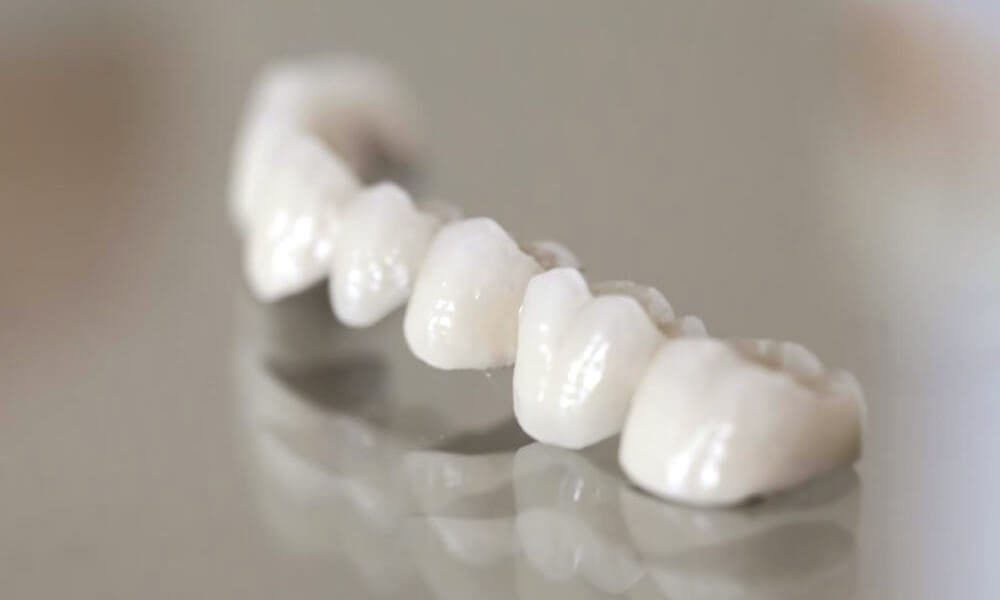
Tooth fillings: Tooth-coloured bondingLarger breaks may need a ceramic restoration to cover and support the remaining tooth. With CEREC, some can be made at the same visit.
CEREC restorations: Inlay, onlay or crownIf the nerve is damaged or infected, root canal treatment may be needed before the tooth is crowned.
Root canal therapy: Root canal treatmentIf a tooth cannot be saved, options such as an implant, bridge or denture can be discussed.
Dental implants: Removal and replacementAll treatment carries risks. Your dentist will explain the options, risks and estimated costs before any treatment goes ahead.
General information only. For advice about your tooth, please call us on (03) 9749 1178.
A small chip that does not hurt is not usually an emergency, but it should be checked within a few days. Call us sooner if the tooth is painful, sensitive or sharp, if you can see a pink or red spot in the break, or if it happened in an accident.
Biting can flex the parts of a cracked tooth apart, irritating the nerve, and releasing the bite lets them snap back together. This often causes a brief, sharp pain. Over time the nerve can become inflamed, so the tooth should be assessed.
No. Unlike bone, enamel does not grow back, and a crack can spread over time. A repair is designed to protect what is left of the tooth and reduce the risk of further damage or infection.
Small chips can often be repaired in a single appointment. Some larger breaks can be restored in one visit with a CEREC ceramic restoration, while others need more than one appointment, particularly if the nerve needs treatment.
Yes, if you can find it. Keep it in milk or saline in a clean container and bring it with you, as it can sometimes be bonded back onto the tooth.
Many repaired teeth function well, but results vary and depend on the size of the break, whether the nerve was affected, your bite and how you care for the tooth. Your dentist will explain what to expect for your tooth.
Avoid chewing ice, hard lollies and pen lids, wear a custom mouthguard for contact sport and ask about a splint if you grind your teeth. Regular check-ups help spot weakened fillings and cracks early. Mouthguards and splints.
If the tooth is painful or sharp, please phone us on (03) 9749 1178. For a chip that is not causing pain, you can book online or request a call back.
Sayers Dental Aesthetics & Implants
1/483 Sayers Road, Hoppers Crossing VIC 3029
(03) 9749 1178 · admin@sayersdental.com.au
Request a call back
Complete the form and our reception team will be in touch during business hours.
Your information is kept private and used only to respond to your enquiry. See our privacy policy. For urgent dental pain, please call us.