
01.Drain
Incision and drainage
A small opening in the gum, made under local anaesthetic, lets pus drain and may relieve pressure.
A dental abscess needs prompt treatment. Call our Sayers Road team and we will try to see you the same day during opening hours.
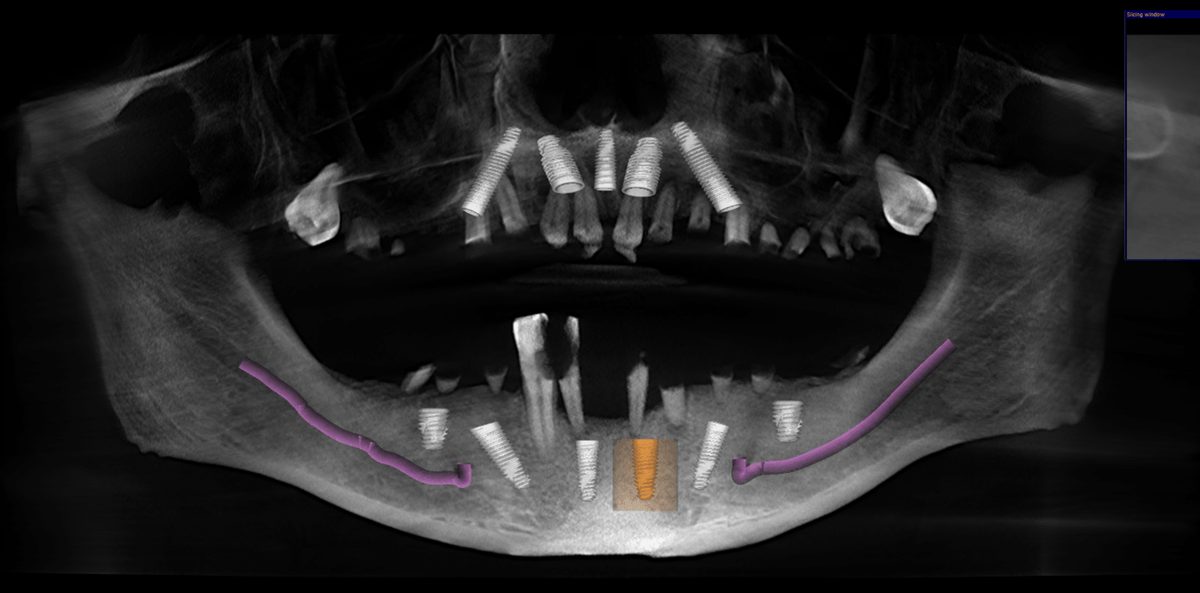
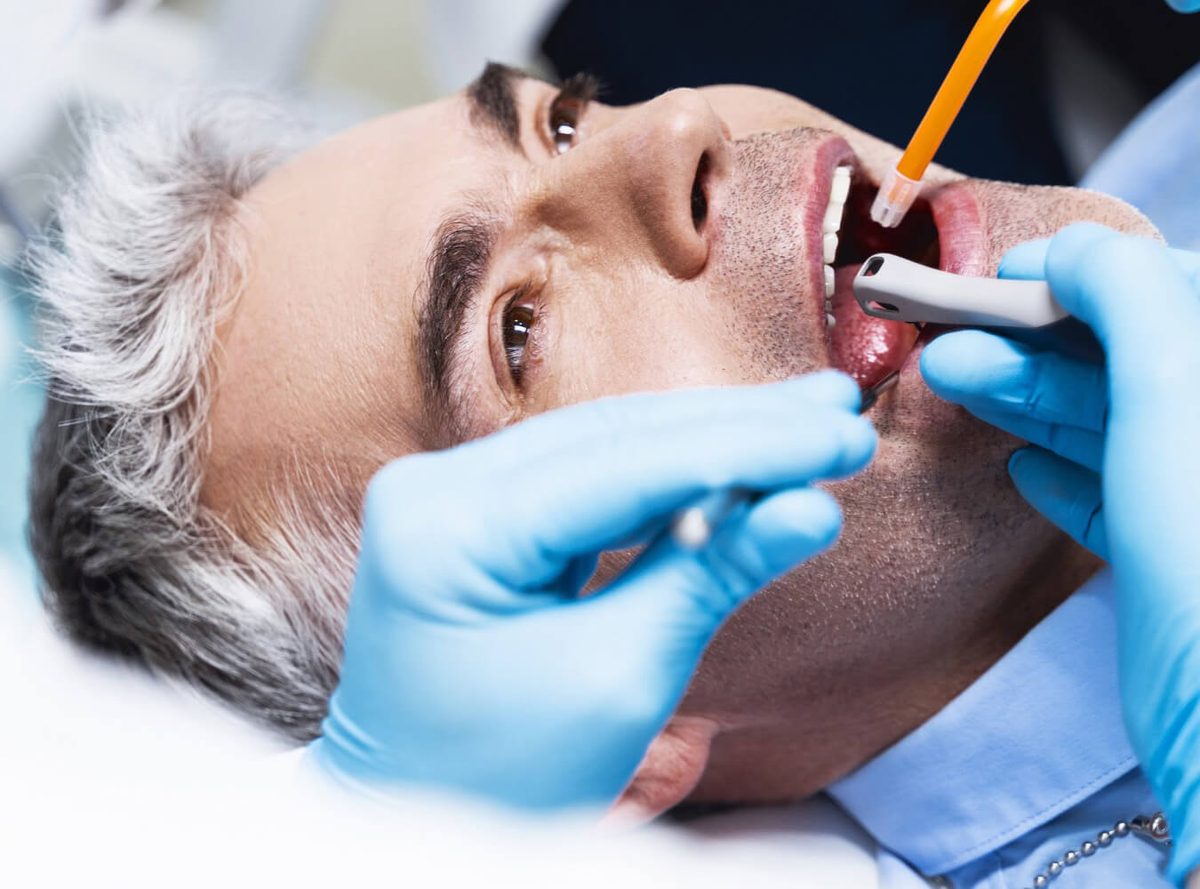
An abscess is a collection of pus caused by a bacterial infection. A periapical abscess forms at the tip of a tooth root, usually after deep decay or a crack lets bacteria into the pulp, the soft tissue inside the tooth. A periodontal abscess develops in the gum and bone beside a tooth, often linked to gum disease, while a gingival abscess sits in the gum alone, sometimes after a popcorn husk or seed becomes trapped.
Abscesses are often painful, but not always. If pus drains through a small bump on the gum, the pain may ease while the infection remains. Because an untreated infection can spread, it is important to have it checked even if you feel better. Common signs include:
Most abscesses can be managed in the dental chair, but occasionally a dental infection spreads into the deeper spaces of the face and neck. This can become serious quickly. Go to a hospital emergency department or call 000 if you have any of the following.
If significant swelling develops when we are closed, including on a Sunday or Monday, go to the nearest emergency department rather than waiting for us to reopen.
These measures may ease discomfort, but they do not treat the infection. Please call us to arrange an appointment.
Phone (03) 9749 1178 as early in the day as you can, and mention any swelling or fever.
Dissolve half a teaspoon of salt in a glass of warm water and rinse gently a few times a day.
A cold pack wrapped in a cloth and held against the cheek may help with swelling. Avoid heat packs on the face.
Paracetamol or ibuprofen may help if suitable for you. Never put aspirin on the gum, as it can cause a chemical burn.
Pressing on or lancing a gum boil at home can push infection deeper and damage the tissue.
Sip water regularly, choose soft food and chew on the opposite side.
The aim is to drain the infection and remove its cause. The approach that suits you depends on where the abscess is, how badly the tooth is affected and your general health.
A small opening in the gum, made under local anaesthetic, lets pus drain and may relieve pressure.
The infected pulp is removed from inside the tooth, then the canals are cleaned, filled and sealed so the tooth may be kept.
Root canal therapy: Root canal treatmentA periodontal abscess is treated by cleaning the infected pocket beside the tooth and managing the gum disease behind it.
Gum treatments: Gum treatmentIf a tooth cannot be saved, removing it allows the infection to drain and the area to heal.
Tooth extractions: Tooth extractionAntibiotics are not routinely needed for a dental abscess. They may be prescribed if the infection is spreading or you are unwell, alongside treatment that removes the source.
We examine the area and take digital X-rays to see which tooth or area of gum the infection is coming from.
Treatment usually begins by draining the infection and settling the pain, under local anaesthetic.
We explain the next steps, the risks and the costs, and arrange any further treatment needed to stop the infection returning.
General information only. If you have swelling or pain, please call us on (03) 9749 1178.
Usually not. The pain may ease if the abscess drains, but the infection generally remains until the source is treated, and it can flare again or spread.
It can be. Most can be managed by a dentist, but an untreated infection can occasionally spread to the face, neck or bloodstream. Swelling near the eye or neck, trouble breathing or swallowing, or a high fever needs urgent hospital care.
Not always. Antibiotics do not remove the cause of the infection and are mainly used when it is spreading or you are generally unwell. Drainage, root canal treatment or removal of the tooth deals with the source.
Please do not. Squeezing or piercing it at home can push bacteria deeper and damage the gum. Rinse with warm salt water and call us so the area can be drained properly if needed.
No. A dental abscess cannot be passed from one person to another. It develops from bacteria already in your own mouth that reach the inside of a tooth or the gum.
Often, yes. Your dentist may be able to drain the infection and begin treatment while swelling is present, although sometimes it needs to settle first. If swelling is spreading or affecting breathing or swallowing, go to hospital.
Brush twice a day with fluoride toothpaste, clean between your teeth, limit sugary food and drinks, and keep up regular dental examinations so decay, cracks and gum problems are found early.
If you have pain or swelling, please phone us on (03) 9749 1178 so we can arrange a time. For less urgent questions, send your details and we will call you back.
Sayers Dental Aesthetics & Implants
1/483 Sayers Road, Hoppers Crossing VIC 3029
(03) 9749 1178 · admin@sayersdental.com.au
Request a call back
Complete the form and our reception team will be in touch during business hours.
Your information is kept private and used only to respond to your enquiry. See our privacy policy. For urgent dental pain, please call us.