
Medicine side effects
Many common medicines, including some for blood pressure, allergies, mood, anxiety and pain, can reduce saliva.
A persistently dry mouth can make eating and speaking uncomfortable and raise the risk of decay. We help look for the likely cause and protect your teeth while it is managed.

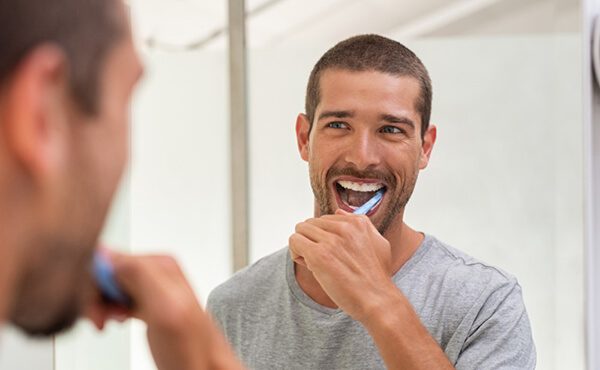
Saliva rinses away food, neutralises the acids that attack enamel and carries minerals that help repair early damage. It also keeps the soft tissues of your mouth comfortable and helps you taste, chew, swallow and speak.
When the salivary glands do not produce enough, the mouth can feel dry, sticky or sore. A dry mouth now and then, when you are nervous or thirsty, is normal. A mouth that stays dry, known as xerostomia, is worth raising with your dentist, because the loss of protection can allow decay and gum problems to develop faster.
Many common medicines, including some for blood pressure, allergies, mood, anxiety and pain, can reduce saliva.
Conditions such as diabetes and Sjögren's syndrome, and radiotherapy to the head and neck, can affect the salivary glands.
Low fluid intake, hot weather, exercise and illness can all leave the mouth dry.
Breathing through the mouth, especially at night or with a blocked nose, dries the tissues.
Tobacco, alcohol and caffeine can all add to dryness.
Feeling anxious can reduce saliva flow for a while.
Never stop or change a prescribed medicine without first speaking with your GP or pharmacist.
Symptoms can build gradually, so they are easy to put down to age or habit. Dry mouth is more common in older adults, largely because of the medicines they take, but it is not simply a normal part of ageing.
If several of these sound familiar, mention them at your next dental examination, or book in sooner if your mouth is uncomfortable.
We go through your health history and medicines, and may suggest you speak with your GP if a medicine could be contributing.
High-fluoride toothpaste, fluoride varnish and more frequent check-ups can help make up for the loss of saliva's protection, and early decay can be repaired with fillings.
Gels, sprays and rinses made for dry mouth can help the mouth feel more comfortable.
Sugar-free gum or lozenges can help stimulate the glands that are still working.
These steps may help ease symptoms day to day. If dryness continues, book an appointment at our Hoppers Crossing practice so we can check your teeth and gums and look at possible causes.
General information about dry mouth. For advice about your own situation, please book an appointment, and speak with your GP about any medicine concerns.
Xerostomia is the medical term for a persistently dry mouth, usually caused by reduced saliva. It is a symptom rather than a disease in itself, so finding the underlying cause is an important part of managing it.
Saliva neutralises acids, washes away food and helps repair early enamel damage. With less of it, acids stay on the teeth for longer, so decay can develop faster, especially near the gum line and around fillings.
Yes. Many common medicines list dry mouth as a side effect. Do not stop or change a medicine yourself; let us know what you take, and speak with your GP or pharmacist, who may be able to suggest alternatives.
Not in itself. It is more common in older adults, mostly because they tend to take more medicines, but it is worth having checked at any age.
Sip water regularly, chew sugar-free gum, use an alcohol-free mouthwash and limit alcohol and caffeine. Saliva substitutes from a pharmacy may also help. If dryness continues, book an appointment so we can check your teeth and look at possible causes.
Both can help. Your dentist can protect your teeth and gums and help identify possible causes, while your GP can review medicines and look into medical conditions. We may suggest you see your GP if we think further medical assessment would be useful.
A dry mouth can make dentures rub and feel loose. Saliva substitutes and careful denture hygiene may help, and your dentist can check the fit. About dentures.
Book an appointment and we'll check your teeth and gums, look at possible causes and suggest practical ways to protect your mouth.
Sayers Dental Aesthetics & Implants
1/483 Sayers Road, Hoppers Crossing VIC 3029
(03) 9749 1178 · admin@sayersdental.com.au
Request a call back
Complete the form and our reception team will be in touch during business hours.
Your information is kept private and used only to respond to your enquiry. See our privacy policy. For urgent dental pain, please call us.