
Braces · Hoppers Crossing

Metal and ceramic braces, planned with care.

Traditional metal braces and tooth-coloured ceramic braces for children, teenagers and adults, fitted and reviewed at our Sayers Road practice.

  • Metal & ceramic
  • Children to adults
  • Regular reviews
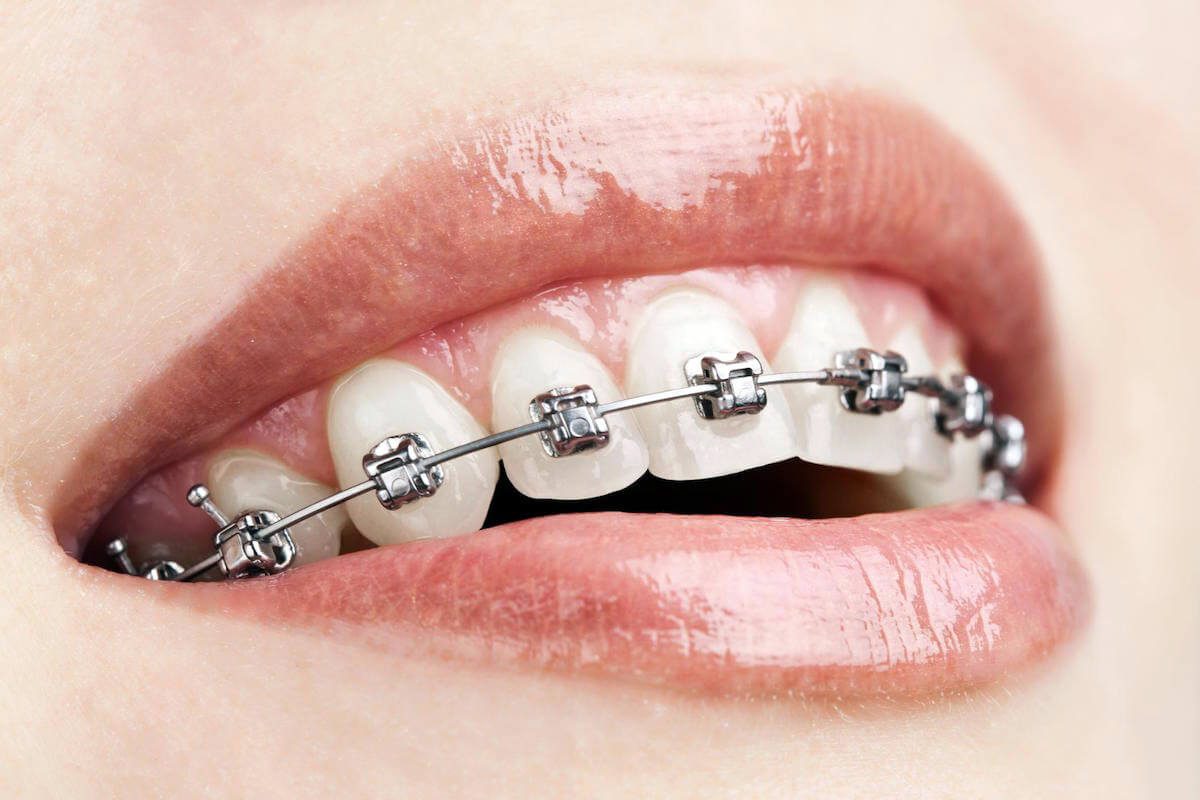
Conventional braces on teeth
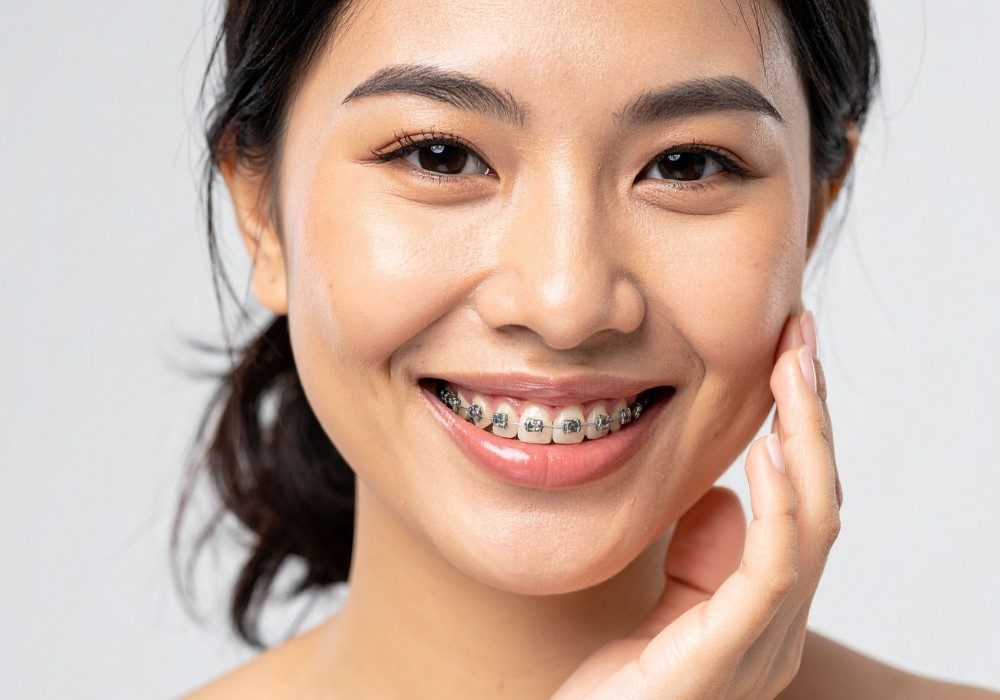
Teenager smiling with braces
Complimentary orthodontic consultation · terms apply
How braces work

Small brackets, a fine wire and gentle, steady pressure.

Fixed braces are made up of small brackets bonded to the front of the teeth and joined by a thin archwire. The wire applies light, continuous pressure, and the bone around each tooth slowly remodels so the tooth can move into its planned position.

Your dentist adjusts or changes the wire at regular visits as the teeth move. Braces stay on for the whole of active treatment, so there is nothing to remember to wear, but they do need extra care when you clean. Braces are commonly used to treat:

  • Crowded, overlapping or rotated teeth
  • Gaps between the teeth
  • Overbites, underbites, crossbites and open bites
  • Teeth that make chewing or cleaning harder
  • How the teeth look when you smile
The Sayers Dental team
Hoppers Crossing
• S •
Your options

Metal or ceramic, and how they differ.

Metal and ceramic braces move teeth in the same way. The main differences are how visible they are and how they need to be looked after. Today's brackets are smaller and smoother than the braces many adults remember from their own school days.

Your dentist will explain which type may suit your teeth and bite. If you would prefer something removable, clear aligners may be an alternative for some people, although certain tooth movements are better suited to fixed braces.

Braces at a glance
Metal braces
Stainless-steel brackets and wires. Suitable for a wide range of alignment and bite concerns, and the most visible option.
Ceramic braces
Tooth-coloured or clear brackets that blend in with the teeth. The elastic ties can pick up stains from foods such as curry, coffee and tea.
Clear aligners
Removable transparent trays instead of brackets and wires. Learn about clear aligners.
Choosing
Confirmed with you after an examination, X-rays and a discussion of your goals.
Every stage of life

Braces for children, teenagers and adults.

There is no single right age for braces. Timing depends on growth, the adult teeth and your goals.
01.Children

An early bite check

We suggest a first orthodontic check at around seven, when a mix of baby and adult teeth gives a useful view of jaw growth. Dr Damien Zhao has a special interest in early (interceptive) orthodontic assessment. Many children simply need monitoring, while for others early treatment may help guide jaw growth, create space for crowded teeth or address habits such as thumb sucking.
03.Adults

Braces as an adult

Adults choose braces for crowding, spacing, an uneven bite or how their smile looks. Your gums and supporting bone need to be healthy first, and because adult jaws are no longer growing, some movements can take longer.

The process

What having braces usually involves.

Every plan is tailored to you, but braces treatment commonly follows these stages. As a general guide, fixed braces are often worn for around 12 to 24 months, although some cases are shorter and some longer.

Dentist consultation
  1. 01.

    Orthodontic consultation

    We discuss your concerns, examine your teeth, gums and bite, and review your medical and dental history.

  2. 02.

    Records and planning

    X-rays, photographs and impressions or scans help your dentist plan the tooth movements.

  3. 03.

    A written plan

    You receive the recommended option, the alternatives, the risks, an estimated timeframe and a written estimate.

  4. 04.

    Fitting your braces

    Brackets are bonded to clean, dry teeth and the wire is placed. No injections are usually needed for this step.

  5. 05.

    Adjustment visits

    Every several weeks the wire is adjusted or changed and your progress is checked.

  6. 06.

    Removal and retainers

    Once the teeth reach their planned position the braces are removed and a retainer is fitted.

Risks and considerations

What to weigh up before you begin.

All dental treatment carries risks as well as benefits, and braces are a commitment of time and care. Your dentist will talk these through with you so you can make an informed decision.

Suitability is confirmed after a clinical assessment, outcomes vary between patients and no result can be promised. If your case is complex, we may recommend referral to a registered specialist orthodontist.

Possible risks and side effects
Tenderness
Teeth often ache for a few days after fitting and adjustments, and brackets can rub the cheeks at first.
Decay and white marks
Plaque left around brackets can cause decay, gum inflammation or chalky marks on the enamel.
Longer treatment
Missed visits or broken brackets can extend the time braces need to stay on.
Root shortening
Rarely, the tips of tooth roots can shorten during treatment, which your dentist may monitor with X-rays.
Teeth moving back
Teeth can drift after treatment if retainers are not worn as advised.
Common questions

Questions about braces.

General information about fixed braces. For advice about your own teeth or your child's, please book a consultation.

How long will I need to wear braces?

Fixed braces are often worn for around 12 to 24 months, but it varies with the movements needed, your age and how closely care instructions are followed. Your dentist will give you an estimate after your examination. A retainer is usually needed afterwards.

Do braces hurt?

Fitting braces does not usually need an injection. Most people feel tenderness for a few days after the braces go on and after each adjustment, which over-the-counter pain relief taken as directed and soft foods can help with. Orthodontic wax can ease rubbing while your cheeks get used to the brackets.

What is the difference between metal and ceramic braces?

Both move teeth in the same way. Ceramic brackets are tooth-coloured or clear, so they are less noticeable, but they can be slightly larger and more prone to chipping, so metal may be recommended for some bites. Your dentist will explain which suits your situation.

Am I too old for braces?

Many adults have braces. What matters most is that your teeth, gums and supporting bone are healthy, so any decay or gum disease is treated first. Treatment can take longer for adults because the jaws are no longer growing.

When should my child get braces?

There is no fixed age. We suggest a first orthodontic check at around seven, and many children who need braces start once most of their adult teeth have come through. Your dentist will advise on timing after assessing your child's growth and bite.

Can I play sport with braces?

Yes. Wear a mouthguard for contact and ball sports to protect your teeth, lips and braces. Ask us which type of mouthguard suits you while your braces are on.

How much do braces cost?

The cost depends on the type of braces, how complex your case is, how long treatment takes and the retainers you need. You will receive a written estimate after your assessment. Health fund cover varies, and payment plans are available subject to provider approval.

Will I need a retainer after braces?

Usually, yes. Teeth tend to drift towards their old positions after braces come off, and a retainer is designed to help hold them in place. Your dentist will recommend the type and how long to wear it.

The next step

Book an orthodontic consultation.

Start with a complimentary orthodontic consultation, terms apply. We'll check your teeth and bite, explain whether braces may suit you and give you a written estimate.

Find us

Sayers Dental Aesthetics & Implants

1/483 Sayers Road, Hoppers Crossing VIC 3029

(03) 9749 1178 · admin@sayersdental.com.au

  • Tue to Thu9:00am to 5:00pm
  • Fri10:00am to 6:00pm
  • Sat9:00am to 4:00pm
  • Sun and MonClosed

Get directions →

Request a call back

Complete the form and our reception team will be in touch during business hours.

Your information is kept private and used only to respond to your enquiry. See our privacy policy. For urgent dental pain, please call us.