
01.Sensitivity
Sensitive teeth
Grinding can wear enamel and expose sensitive areas. Find out what may help.
Sensitive teeth: Sensitive teethCustom sports mouthguards and night splints made to fit your teeth, for contact sport, grinding, clenching and jaw discomfort.
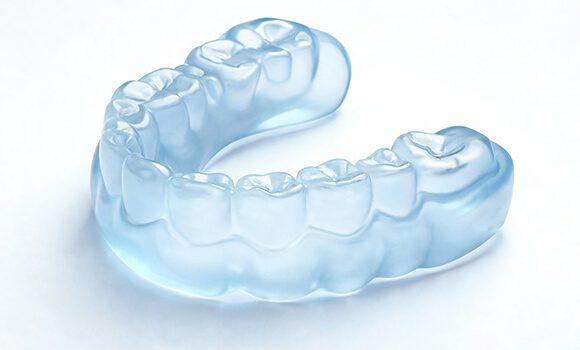
Tooth enamel is the hardest substance in the body, yet a knock during sport or years of grinding at night can still chip, crack or wear it down. Repairing damaged teeth is usually far more involved than protecting healthy ones.
We provide two main kinds of custom appliance: sports mouthguards to cushion impact, and occlusal splints, often called night guards, for people who grind or clench. A guard or splint may help if you:
A sports mouthguard spreads the force of a blow across the teeth and jaw, which may lower the risk of broken teeth and cuts to the lips and cheeks.
Shop-bought guards are made to fit everyone, so they can feel bulky and slip. A custom guard is moulded to your own teeth, which helps it sit securely and lets you breathe, speak and drink more naturally during play.
Bruxism means grinding or clenching your teeth, usually without realising it and often during sleep. Stress is a common trigger. Over time it can flatten and chip teeth, loosen them, make them sensitive and overwork the jaw muscles.
Your temporomandibular joints, or TMJs, are the hinges just in front of your ears. When these joints and the surrounding muscles are under strain, you might notice clicking, aching, difficulty opening wide, earache or headaches on waking.
An occlusal splint is a smooth, hard appliance worn over the upper or lower teeth at night. It is designed to stop the teeth grinding directly against each other and may ease the load on the jaw muscles and joints. Your dentist may also suggest simple jaw exercises.
Most custom guards and splints need two appointments at our Hoppers Crossing practice. Your dentist will give you a timeframe when you book.
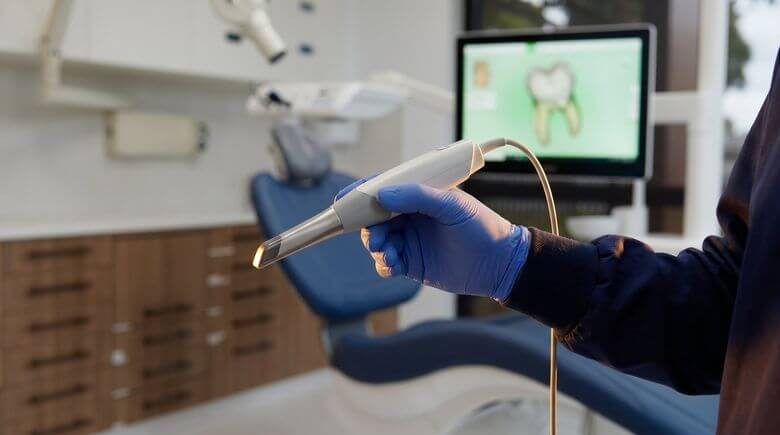
We check your teeth, bite and jaw joints, and talk about your sport or your symptoms.
A mould or digital scan records the exact shape of your teeth.
Your guard or splint is made from that record to fit your teeth closely.
At the second visit we check the fit and comfort, adjust the bite and show you how to look after it.
Splints are checked and adjusted at follow-up visits, and worn or loose guards can be replaced.
Grinding can wear enamel and expose sensitive areas. Find out what may help.
Sensitive teeth: Sensitive teethIf a tooth has already been damaged in sport or by grinding, the options depend on the size of the break.
Broken teeth: Chipped or broken teethWhat to do straight away if an adult tooth is knocked out during play.
Knocked-out tooth: Knocked-out toothGeneral information about custom mouthguards and night splints. Your dentist will recommend what suits you after an assessment.
Shop-bought guards come in standard sizes or are softened and shaped at home, so they can be bulky or loose. A custom guard is made from an impression or scan of your teeth, which helps it fit closely and stay in place.
Generally two appointments: the first records the shape of your teeth, and at the second we fit and adjust the finished guard. If your season is about to start, mention it when you book.
A splint does not usually stop the habit itself, but it protects the teeth from wear and may reduce strain on the jaw muscles. Your dentist may also suggest jaw exercises and ways to manage triggers such as stress.
For some people, an occlusal splint worn at night may ease jaw muscle tension and joint discomfort. Jaw pain has many possible causes, so we assess your teeth, bite and joints first and may suggest seeing your GP or another health professional if another cause is suspected.
Many people only find out when a dentist notices the signs or a partner hears it. Common clues include flattened or chipped teeth, sensitivity, tired jaw muscles and headaches on waking.
Bring your guard to each check-up so we can look for wear. Replace it if it is split, thin or no longer sits firmly in place. Growing children typically need a new one every season or two.
Many extras policies include some cover for custom mouthguards and occlusal splints, depending on your level of cover. HICAPS lets you claim at reception, and we are a preferred provider for nib, HCF and Westfund.
Whether it is for the footy season or for grinding at night, book an assessment and we will recommend the appliance that suits you.
Sayers Dental Aesthetics & Implants
1/483 Sayers Road, Hoppers Crossing VIC 3029
(03) 9749 1178 · admin@sayersdental.com.au
Request a call back
Complete the form and our reception team will be in touch during business hours.
Your information is kept private and used only to respond to your enquiry. See our privacy policy. For urgent dental pain, please call us.