Retainers · Hoppers Crossing

Retainers, to help your teeth stay where they are.

Fixed and removable retainers for patients finishing braces or clear aligners, with fit checks and advice at our Sayers Road practice.

  • Fixed & removable
  • After braces or aligners
  • Retainer checks
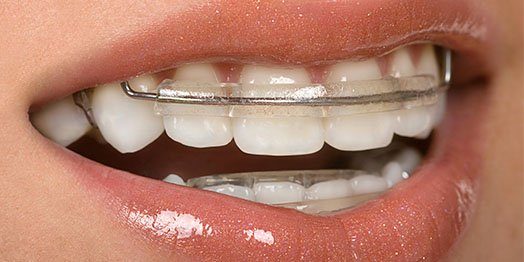
Patient holding a clear retainer
Clear retainer
Complimentary orthodontic consultation · terms apply
Why retainers matter

The last stage of orthodontic treatment, and often the longest.

When braces come off or the final clear aligner is finished, the bone and gum fibres around the teeth are still adapting to their new positions. During this time teeth tend to drift back towards where they started, and small changes in alignment can continue throughout life.

A retainer is a custom-made appliance designed to hold the teeth steady while this settling happens, and beyond. How long you wear it, and when, is tailored to you by your dentist. A retainer is designed to help:

  • Hold teeth in their corrected positions
  • Reduce the chance of crowding or gaps returning
  • Keep the bite settled while the supporting tissues adapt
  • Make the most of the treatment you have already completed
The Sayers Dental team
Hoppers Crossing

• S •
Types of retainer

Fixed or removable, or sometimes both.

Each type has advantages and trade-offs. Your dentist will recommend what suits your teeth, your bite and your routine.

01.Fixed

Bonded wire retainer

A thin wire glued to the inner surfaces of the front teeth, out of sight when you smile. It works around the clock with nothing to remember, but cleaning takes extra care: a floss threader or small interdental brush is needed to reach between the teeth and under the wire.

02.Removable

Removable retainer

Either a clear plastic tray that fits over the teeth, or a wire-and-acrylic plate held by small clasps around the back teeth. It comes out for eating and cleaning, which makes hygiene easier, but it only works when worn as instructed.

Some people have a fixed wire behind the front teeth plus a removable retainer for night-time wear. The choice is made with you once active treatment is complete. Read more about orthodontic care at Sayers.

The process

How your retainer is made and fitted.

Retainers are usually made by the dental team that provided your orthodontic treatment, timed so there is little or no gap between finishing treatment and starting retention.

Smiling patient with healthy teeth
  1. 01.

    Records

    When active treatment finishes, your dentist takes impressions or a scan of your newly aligned teeth.

  2. 02.

    Making the retainer

    A removable retainer is made to fit your teeth from these records. A fixed wire is shaped and bonded directly behind the front teeth.

  3. 03.

    Fitting

    The fit is checked and adjusted, and you are shown how to put a removable retainer in, take it out and clean it.

  4. 04.

    Your wear schedule

    Many people start with near full-time wear for the first few months, then move to night-time wear if the teeth stay stable. Your dentist sets your schedule.

  5. 05.

    Ongoing checks

    Your retainer is checked at regular visits, and replaced if it wears, cracks or no longer fits well.

Care and routine

Looking after your retainer.

A retainer can only do its job if it is worn and kept in good condition. For children and teenagers especially, a predictable routine helps: the retainer goes in at the same time every night and lives in its case whenever it is out.

Parents may find a reminder on the bathroom mirror or a phone alarm useful in the first few weeks, until wearing it becomes habit.

Everyday care
Clean it daily
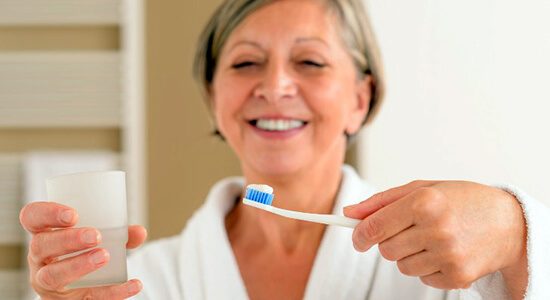
Brush a removable retainer gently with a soft toothbrush and cool water.
Avoid heat
Hot water, dishwashers, car dashboards and heaters can warp the plastic.
Use the case
Keep it in its case when it is out. Retainers are easily thrown away in a napkin or chewed by pets.
Clean around a fixed wire
Use a floss threader or interdental brushes each day to clear plaque under the wire.
Bring it to check-ups
Your dentist can check its fit and condition at your regular visits.
If something goes wrong

Lost, broken or not fitting?

Let us know early. Teeth can begin to move within days of a retainer being left out.
01.Lost

Lost retainer

Call us as soon as you can so a replacement can be arranged before the teeth have a chance to shift.

02.Damaged

Cracked or broken

Stop wearing a cracked removable retainer if it has sharp edges or no longer sits properly, and bring all the pieces in.

03.Fixed wire

Loose bonded wire

If part of a fixed retainer comes away from a tooth, avoid biting into hard food with the front teeth and book a repair.

04.Tight

Feels tight

A retainer that feels tight after a few missed nights suggests teeth have started to move. Do not force it in; call us for advice.

Common questions

Retainer questions.

General information about retainers. For advice about your own retainer, please call us or book a visit.

How long do I need to wear a retainer?

Many people are advised to keep wearing a retainer long term, often at night only after the first few months. Teeth can shift gradually throughout life, so ongoing retainer wear helps maintain the result of treatment. Your dentist will tailor a schedule to you.

What happens if I stop wearing my retainer?

The teeth may slowly drift back towards their original positions, and crowding or gaps can return. How much movement occurs varies between people. If your retainer starts to feel tight, wear it as instructed and contact us.

Should I have a fixed or removable retainer?

Each has pros and cons. A fixed wire works all the time but needs careful cleaning, while a removable retainer is easier to clean but relies on you wearing it. Your dentist will recommend an option, and some people have both.

What should I do if I lose or break my retainer?

Contact us as soon as possible rather than waiting for your next check-up. Teeth can start to move within days, and a replacement can be made after we check your teeth. Bring any broken pieces with you.

How do I clean my retainer?

Brush a removable retainer gently each day with a soft toothbrush and cool water, and rinse it whenever you take it out. Avoid hot water, which can warp it. For a fixed wire, clean under and around it daily with a floss threader or interdental brushes.

Can I eat with my retainer in?

Take a removable retainer out to eat and store it in its case. With a fixed retainer you can eat normally, but it is wise to avoid biting directly into very hard foods with your front teeth.

My teeth have moved since I had braces. Can a retainer help?

It depends on how much they have moved. A new retainer may help hold the teeth where they are now, but it is not designed to move them back. If you would like the alignment corrected, your dentist can talk through options such as clear aligners or braces.

The next step

Book a retainer check.

Whether you need a retainer checked, replaced or are considering orthodontic treatment, our team can help. New orthodontic patients can start with a complimentary orthodontic consultation, terms apply.

Find us

Sayers Dental Aesthetics & Implants

1/483 Sayers Road, Hoppers Crossing VIC 3029

(03) 9749 1178 · admin@sayersdental.com.au

  • Tue to Thu9:00am to 5:00pm
  • Fri10:00am to 6:00pm
  • Sat9:00am to 4:00pm
  • Sun and MonClosed

Get directions →

Request a call back

Complete the form and our reception team will be in touch during business hours.

Your information is kept private and used only to respond to your enquiry. See our privacy policy. For urgent dental pain, please call us.