
Brushing too hard
A hard brush or heavy scrubbing can wear enamel and push gums back over time.
Tooth sensitivity is common and often manageable. We look for the reason behind it first, then talk through options at home and in the chair.
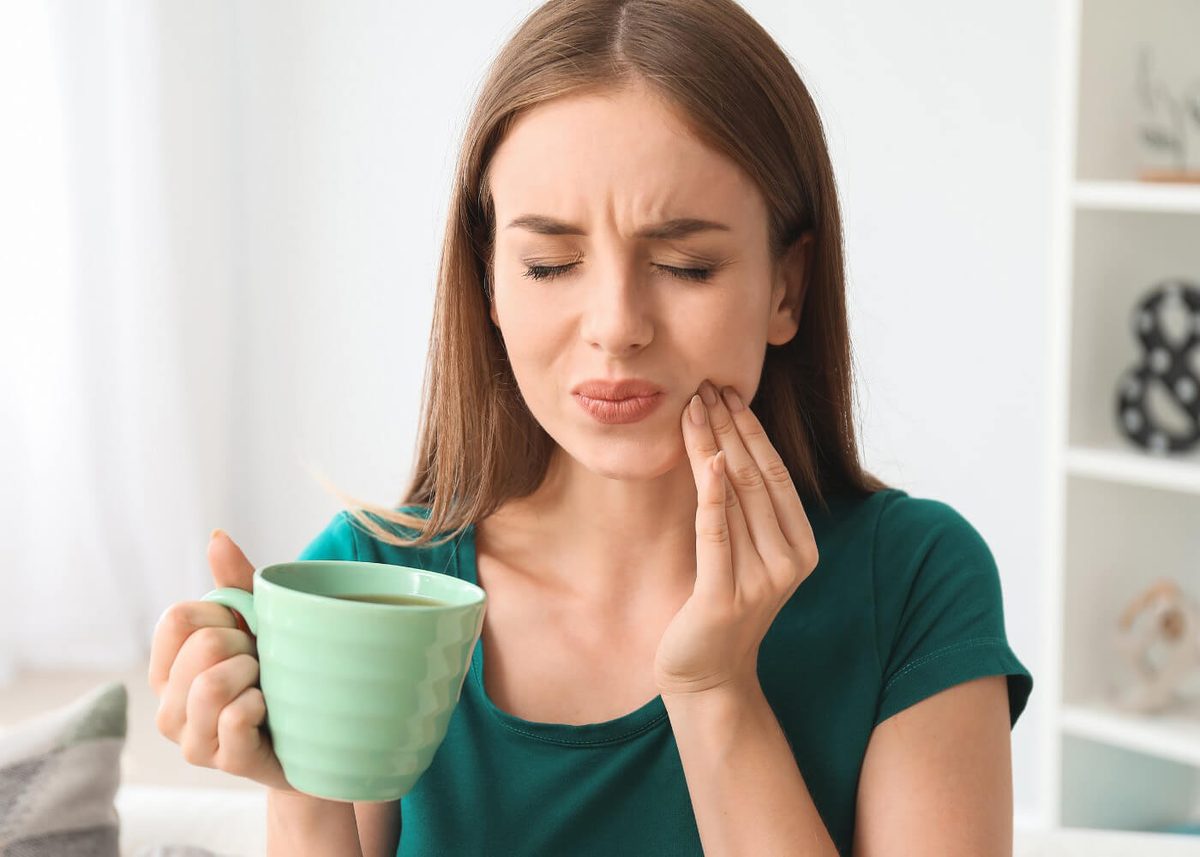
Beneath the enamel of each tooth, and covering the roots, is a layer called dentine. It contains thousands of tiny channels that lead towards the nerve. When enamel wears thin or gums pull back, those channels are exposed, and cold, heat, sweetness or even a breath of cold air can set off a short, sharp pain.
Sensitivity can also signal something that needs treatment, such as decay, a cracked tooth or a leaking filling. That is why we check the cause before recommending anything. Ignored sensitivity may ease for a while, but it often returns if the reason behind it remains.
A hard brush or heavy scrubbing can wear enamel and push gums back over time.
Receding gums expose root surfaces, which have no enamel to protect them.
Gum treatments: Gum recessionSoft drinks, citrus, wine and sports drinks can soften enamel, especially when sipped often.
Night-time grinding can wear enamel and cause tiny cracks.
Mouthguards and splints: Clenching and grindingA cavity, a cracked tooth or a failing filling can let triggers reach the nerve.
Short-lived sensitivity can follow whitening, a new filling or a deep clean, and usually settles.
Small changes to your routine can make a noticeable difference for many people. Give a sensitive toothpaste a few weeks of regular use before judging whether it is working.
If sensitivity is sudden, severe or limited to one tooth, book an assessment rather than waiting, as it may point to a problem that needs treatment.
Applied to sensitive areas to help seal the exposed channels in the dentine.
Tooth-coloured material can cover worn areas or repair decay that is causing sensitivity.
Tooth fillings: Bonding or a fillingTreating gum disease, and in some cases a gum graft, may help protect exposed roots.
Considered only when severe, persistent sensitivity comes from an inflamed nerve and other options have not helped.
Root canal therapy: Root canal therapyResults vary between people, and sensitivity can return if the underlying cause continues.
A sensitivity appointment at our Hoppers Crossing practice focuses on diagnosis first, so any treatment is aimed at the real problem.
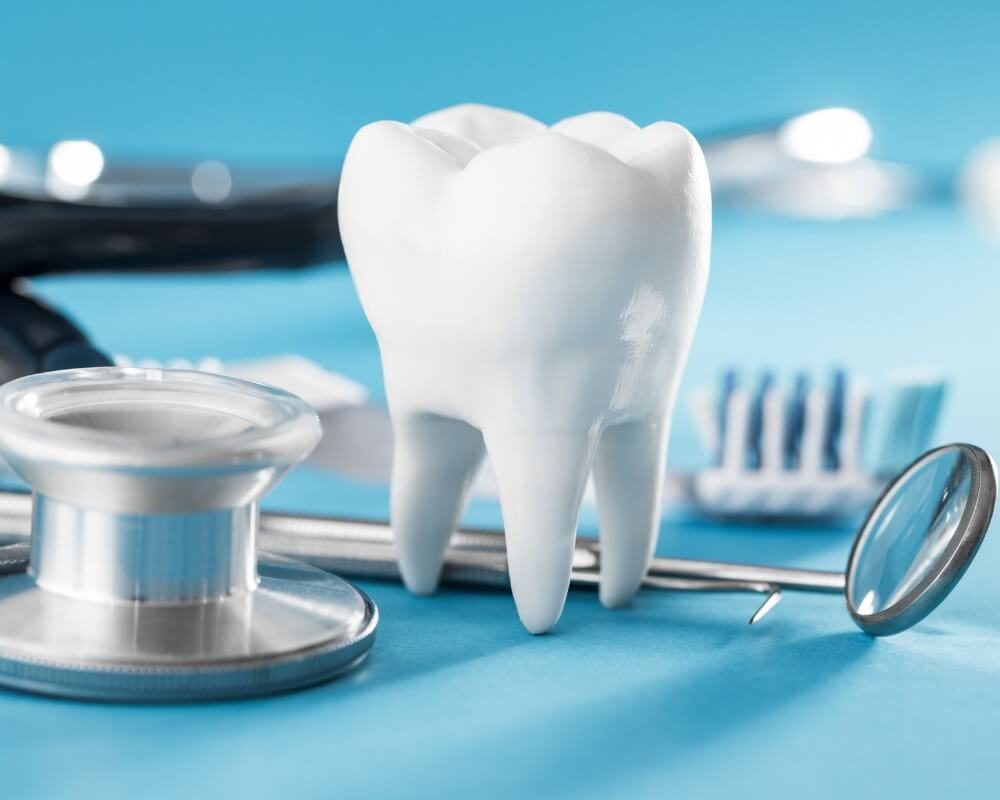
When it hurts, what sets it off, how long it lasts and which teeth are involved all help narrow down the cause.
We check for worn enamel, gum recession, cracks, decay and signs of grinding.
Your dentist may gently test individual teeth with air or cold to find which one is responding.
An X-ray can help rule out decay or infection inside the tooth.
We explain the likely cause and the options, from home care to treatment, with any fees.
General information about tooth sensitivity. For advice about your own teeth, please book an assessment.
Sudden sensitivity can come from a new cavity, a cracked tooth or filling, gum recession, recent whitening, grinding, or even a sinus infection affecting the upper back teeth. Because the causes vary, an examination is the most reliable way to find out what is happening.
For many people, yes. Desensitising toothpastes can reduce sensitivity when used twice a day for several weeks. If there is no improvement, or the pain is in one tooth, book an assessment.
It can be, but often it is not. Sensitivity is commonly caused by exposed dentine from worn enamel or receding gums. Decay, cracks and leaking fillings can also cause it, which is why we check before recommending treatment.
Yes. Temporary sensitivity is a common side effect of whitening and usually settles within a few days. Your dentist can suggest ways to reduce it, and may recommend treating existing sensitivity before whitening. Teeth whitening.
An alcohol-free fluoride mouthwash can help strengthen enamel and may reduce sensitivity for some people. Use it at a different time from brushing so it does not wash away the toothpaste.
Book an appointment if sensitivity lasts more than a few weeks, is getting worse, keeps you awake, lingers after the trigger has gone, or affects one tooth in particular. These can be signs of a problem that needs treatment.
Book an assessment at our Sayers Road practice. We'll look for the reason behind your sensitivity and explain the options that may help.
Sayers Dental Aesthetics & Implants
1/483 Sayers Road, Hoppers Crossing VIC 3029
(03) 9749 1178 · admin@sayersdental.com.au
Request a call back
Complete the form and our reception team will be in touch during business hours.
Your information is kept private and used only to respond to your enquiry. See our privacy policy. For urgent dental pain, please call us.