
Composite filling
A tooth-coloured resin placed and shaped in one visit, suited to small and medium cavities.
Tooth fillings: Composite fillingPorcelain inlays and onlays at our Sayers Road practice, made to fit your tooth and shaded to blend in, with same-day CEREC options where suitable.
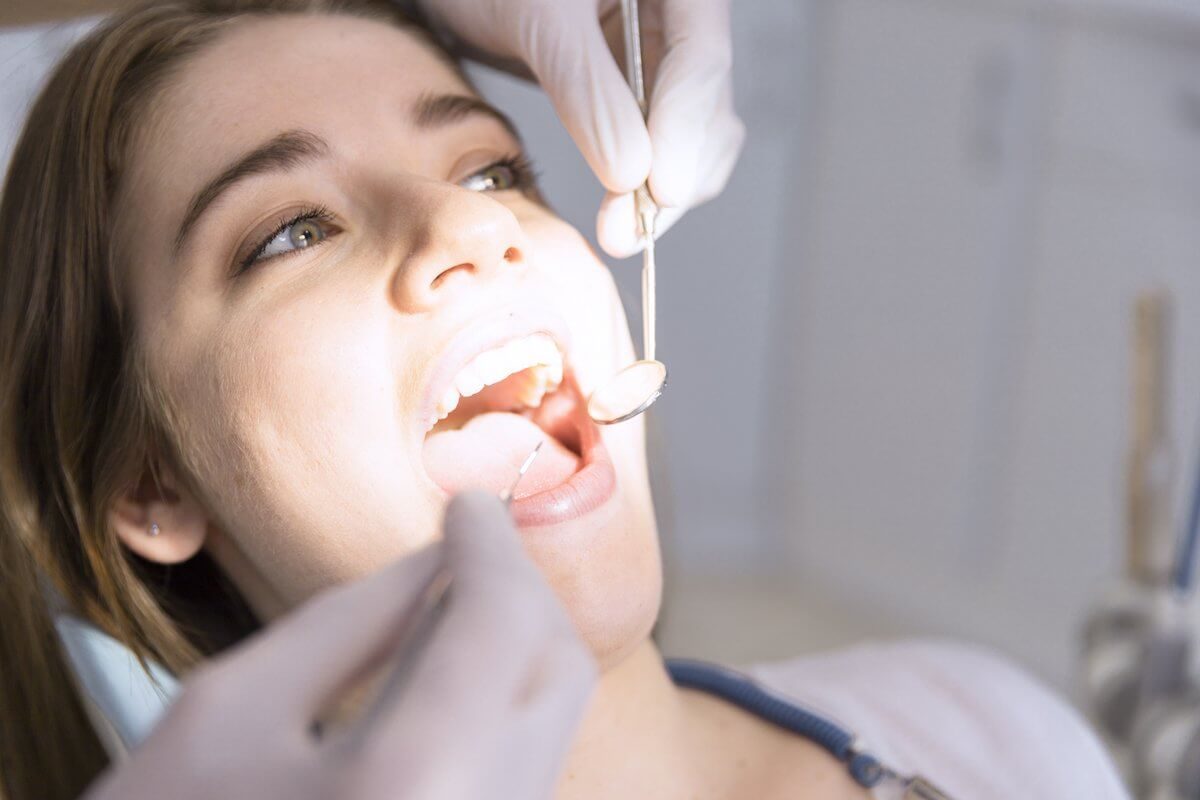
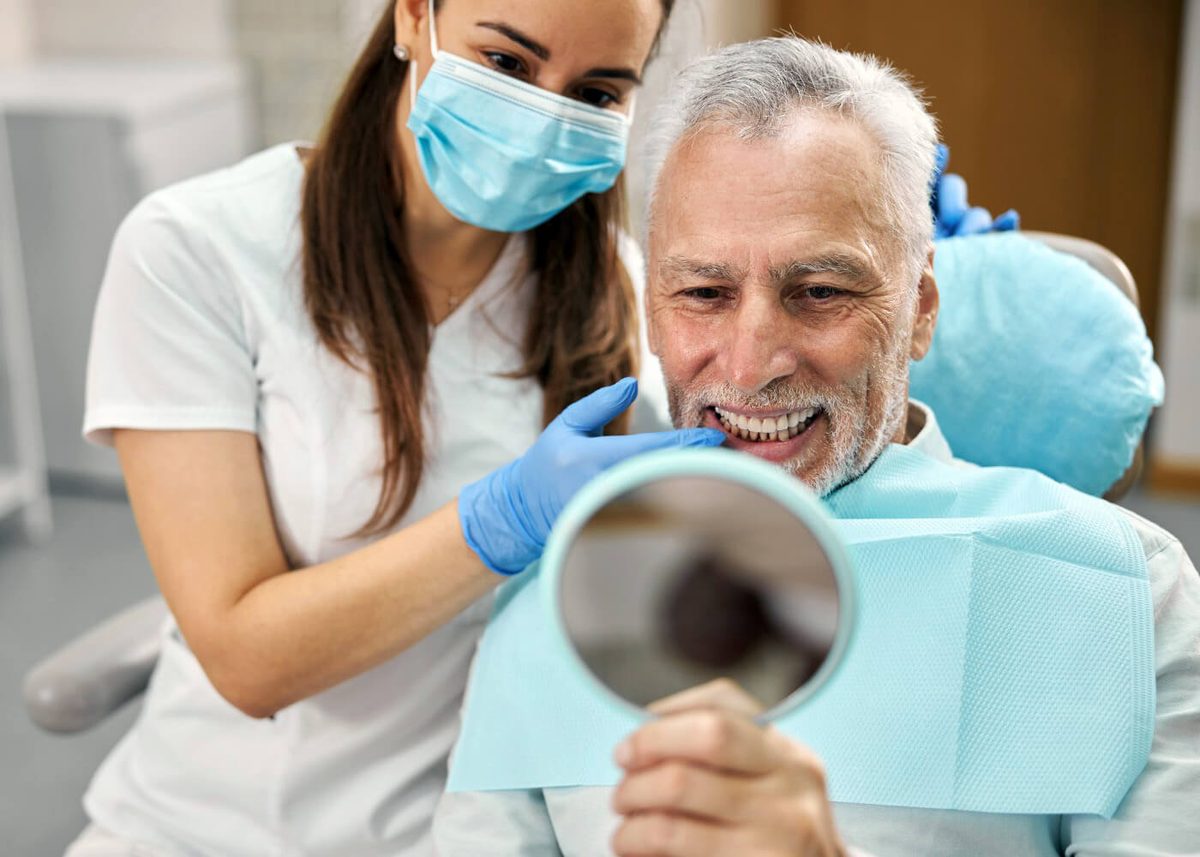
A porcelain filling is a piece of ceramic shaped to fit a prepared tooth precisely. A composite (white resin) filling is built up in layers inside the mouth; a porcelain filling is instead made outside it, either by a dental laboratory or by milling, and then bonded to the tooth.
Depending on its size it may be called an inlay, which sits within the biting surface, or an onlay, which also covers one or more of the tooth's cusps. Porcelain can be matched closely to the colour of your enamel and is suited to larger repairs than many direct fillings. At our Hoppers Crossing practice, some ceramic restorations can be designed and milled on site with CEREC.
Decay that is left untreated can spread through the enamel into the softer dentine and eventually reach the pulp, the nerve at the centre of the tooth. At that stage, root canal treatment or removing the tooth may be the remaining options, which is why treating cavities early matters.
For smaller cavities a standard tooth-coloured filling is often enough. Porcelain is more commonly considered when the damaged area is larger or the tooth needs extra support.
Your dentist will recommend the option that suits the size of the repair and the strength of the remaining tooth.
A tooth-coloured resin placed and shaped in one visit, suited to small and medium cavities.
Tooth fillings: Composite fillingA custom ceramic piece bonded into place. It rebuilds a larger area while keeping more natural tooth than a crown would.
Covers the whole tooth when too little strong structure remains for a filling.
Crowns and bridges: Ceramic crownA laboratory-made porcelain filling usually needs two visits. With CEREC, a ceramic restoration can often be designed, milled and fitted in one appointment, where suitable.

Local anaesthetic is used so the tooth, gum and surrounding area are numb.
Decay and weakened tooth structure are removed and the tooth is shaped to receive the porcelain.
A precise record of the tooth is taken. With CEREC, a digital scan is used to design the restoration on screen.
The inlay or onlay is milled at the practice or made by a dental laboratory, with a temporary filling placed meanwhile.
The porcelain is checked for fit and colour, bonded in place, and your bite is adjusted.
Numbness wears off within a few hours. Mild sensitivity to hot and cold for a few days is common.
Brush twice a day with a fluoride toothpaste and clean between your teeth every day.
Limit sugary, sticky snacks and acidic drinks such as soft drink and juice; water is a good choice between meals.
Avoid chewing ice or very hard foods, and wear a splint if you grind your teeth.
Mouthguards and splints: Hard foods and grindingRoutine visits let your dentist check the edges of the filling and the rest of your mouth.
General information only. For advice about a particular tooth, please book an assessment.
A white (composite) filling is made from resin and built up directly in the tooth in one visit. A porcelain filling is made outside the mouth from ceramic and then bonded in, and is generally used for larger repairs.
Many last for a number of years, but there is no fixed lifespan. Grinding, the size of the filling, your diet and how well the edges are kept clean all affect longevity, so regular check-ups matter.
Some sensitivity to hot and cold for a few days is common and is usually mild. If discomfort gets worse rather than better, or your bite feels high, call us so we can check it.
Often, yes, using CEREC where suitable. Otherwise a laboratory-made inlay or onlay usually needs two visits. Same-day CEREC restorations.
Sometimes. If an amalgam filling is cracked, leaking or has decay around it, or you are unhappy with how it looks, porcelain may be one option. Your dentist will explain whether replacement is advisable, because removing a sound filling also removes some tooth structure.
As with any dental treatment, yes. These include temporary sensitivity, chipping of the porcelain and, occasionally, irritation of the nerve that may need further treatment. Your dentist will discuss the risks for your tooth before you start.
Care for it as you would your natural teeth: brush twice a day with fluoride toothpaste, clean between your teeth daily, limit sugary snacks and keep up regular check-ups and cleans.
We will examine the tooth, explain whether a filling, an inlay or onlay, or a crown may suit it, and give you a written estimate.
Sayers Dental Aesthetics & Implants
1/483 Sayers Road, Hoppers Crossing VIC 3029
(03) 9749 1178 · admin@sayersdental.com.au
Request a call back
Complete the form and our reception team will be in touch during business hours.
Your information is kept private and used only to respond to your enquiry. See our privacy policy. For urgent dental pain, please call us.