
01.Calm
A calm visit
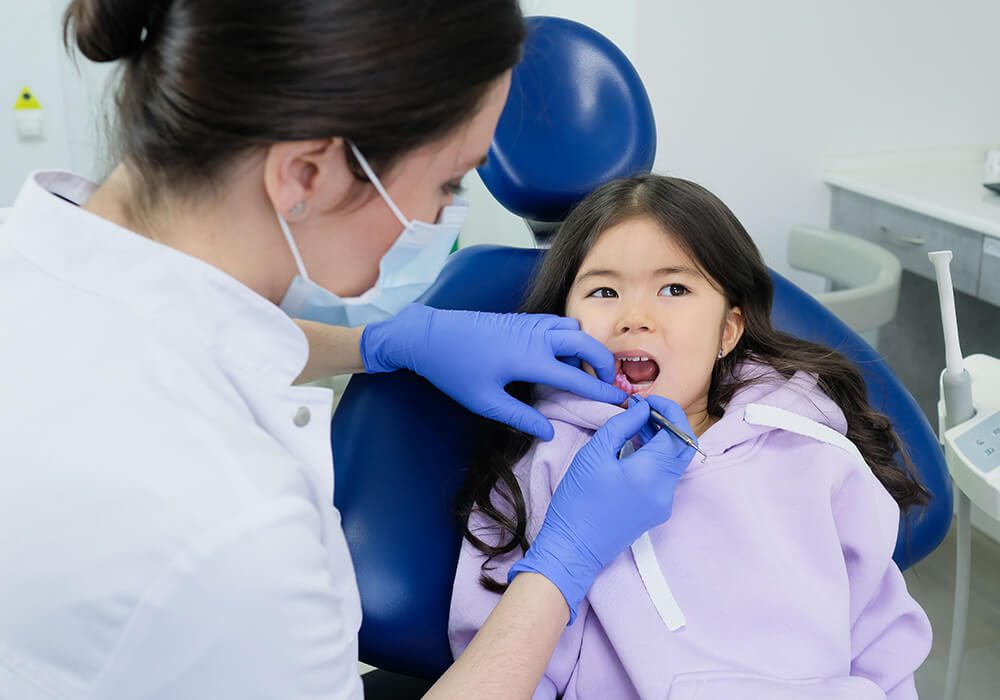
We take time to settle your child, explain things in simple words and keep a parent close by.
Falls and knocks to the teeth are a common part of childhood. Here is what to do first, and how our Sayers Road team can help; we will try to see your child the same day during opening hours.
Children are active and curious, so falls in the playground, bumps at kinder and knocks during sport are part of growing up. A calm adult makes everything easier: reassure your child, wipe away blood with a clean cloth and take a look at the teeth, lips and gums.
If your child has hit their head, lost consciousness, is drowsy or is vomiting, get medical help first and deal with the teeth afterwards. Otherwise, call us if your child has:
Pushing a knocked-out baby tooth back into the gum can damage the adult tooth forming underneath it. Instead, control any bleeding, keep the tooth if you find it, and bring your child in so we can check the area.
A knocked-out adult tooth is different: it should be put back in place as soon as possible, then seen by a dentist straight away. Children's first adult front teeth usually come through from around six or seven years of age. If you are not sure which kind of tooth it is, do not put it back; keep it in milk and call us immediately.
Use these steps while you arrange to see us. They are general information only.
Gently clean around the tooth with a soft brush and floss, and hold a cold pack on the cheek if there is swelling. Use children's pain relief as directed on the pack, and do not give aspirin.
Rinse with warm water, hold a cold pack wrapped in a cloth against the face, and keep any broken pieces in milk.
Do not put it back. Press clean gauze on the gum to control bleeding, then call us.
Hold it by the crown, rinse it briefly in milk or saline if dirty and gently put it back, then have your child bite on a clean cloth. If that is not possible, store it in milk, not in your child's mouth, and come in straight away.
Do not wiggle or push it. Offer soft food and call us the same day.
Apply firm pressure with clean, damp gauze for 10 minutes and use a cold pack to limit swelling.
Go to the nearest hospital emergency department or call 000 if your child has any of the following.
Outside our opening hours, including Sundays and Mondays, hospital is also the right place for severe pain, swelling or injury. Call us when we reopen so we can follow up.
We take time to settle your child, explain things in simple words and keep a parent close by.
We check the injured tooth, the teeth around it and the soft tissues, with X-rays where needed.
Injured teeth can change colour or become infected weeks later, so review visits are often recommended.
Eligible children aged 0 to 17 may be bulk billed for covered services. Our team can help check eligibility.
About the CDBS: Child Dental Benefits ScheduleFind out more about children's dentistry at Sayers Dental.
General information only. If your child has hurt a tooth, please call us on (03) 9749 1178.
No. Replanting a baby tooth can harm the adult tooth developing beneath it. Control any bleeding and bring your child in so we can check the gum and nearby teeth.
A tooth can darken in the days or weeks after a knock, sometimes from bleeding inside the tooth and sometimes because the nerve has been damaged. It should be checked, as some darkened teeth develop an infection that needs treatment.
Yes. Baby teeth help children eat, speak and smile with confidence, and they hold space for the adult teeth. Some back baby teeth stay until around 10 to 12 years of age, so infection or early loss can affect a child for years.
Children's paracetamol or ibuprofen may help, given at the dose on the pack for your child's age and weight. Ask your pharmacist if you are unsure. Do not give aspirin to children, and do not put any medicine directly on the gum.
Eligible children aged 0 to 17 may be bulk billed for many basic services, such as examinations, X-rays and fillings, under the Child Dental Benefits Schedule. Benefits are capped over two calendar years, and our team can help check your child's eligibility.
A custom-fitted mouthguard can help protect teeth during contact sport and activities where falls are likely. Because children's mouths change as they grow, mouthguards need checking and replacing over time. Mouthguards and splints.
We suggest a first visit when the first tooth appears or by the first birthday, then regular check-ups as advised by your dentist. Early visits help children feel at ease before any problem arises.
If your child is in pain or has had an injury, please phone us on (03) 9749 1178. For check-ups and less urgent concerns, book online or request a call back.
Sayers Dental Aesthetics & Implants
1/483 Sayers Road, Hoppers Crossing VIC 3029
(03) 9749 1178 · admin@sayersdental.com.au
Request a call back
Complete the form and our reception team will be in touch during business hours.
Your information is kept private and used only to respond to your enquiry. See our privacy policy. For urgent dental pain, please call us.