
Tell us when you book
Let reception know you feel anxious, so we can allow extra time and plan a calmer appointment.
Tell us how you feel and we will plan your visit around it, with a slower pace, clear explanations and sedation options for suitable patients.


Dental anxiety is very common. For some people it began with a painful or embarrassing visit long ago. Others dislike needles, the sound of the drill, lying back in the chair or the sense of not being in control. Many simply worry about what a dentist might say after a long gap.
The difficulty is that avoiding the dentist allows small problems to grow, and bigger problems can mean exactly the kind of treatment people dread. Breaking that cycle usually starts with something small: a conversation with a dentist who listens.
At our Hoppers Crossing practice, we will not judge you for how long it has been or the state of your teeth. What matters to us is the next step, and what would help you feel more at ease.
Let reception know you feel anxious, so we can allow extra time and plan a calmer appointment.
Your first appointment can be a chat about your concerns, with no treatment unless you decide you are ready.
We agree on a hand signal before starting. Raise it at any time and we pause.
We tell you what we are about to do and what you might feel, so nothing comes as a surprise.
Where possible, we begin with simpler care and build up gradually as your confidence grows.
Local anaesthetic is given slowly, and a numbing gel can be used on the gum beforehand.
There is no expectation that you will have treatment at your first visit. The aim is to understand your concerns and give you enough information to decide what happens next.
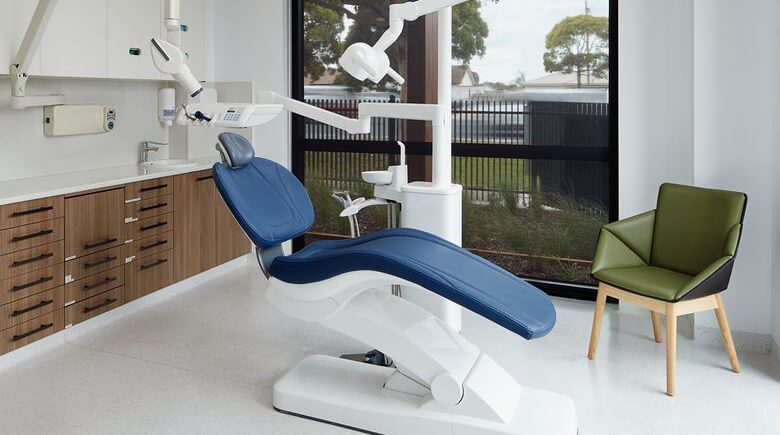
We talk about what worries you, any past experiences, and what has or has not helped before.
If you are comfortable, your dentist examines your teeth and gums. X-rays are taken only if needed, and with your agreement.
We explain what we found in plain language, along with the options, the fees and what each would involve.
You decide what happens next. Treatment can be split into shorter visits, starting with the most comfortable steps.
Numbs the treatment area while you stay fully alert. With a calm, unhurried approach, this is enough for many anxious patients.
Medication given through a vein helps you feel deeply relaxed, and you may remember little of the treatment. For suitable patients after a medical review.
Sedation dentistry: IV sedationFor extensive treatment or severe anxiety where other options are unsuitable, arranged after specialist medical review.
Sleep dentistry: General anaesthesiaSedation and general anaesthesia each have risks of their own, and these are explained before you decide.
Many people return to the dentist after five, ten or more years away. Feeling embarrassed is understandable, but there is no need. Dentists see every kind of situation, and our only concern is helping you from here.
If you are in pain now, call us. We keep time for urgent problems and try to see people the same day, and easing the pain first can be a good way to rebuild trust before planning anything else. Dental emergencies.
General information for people who feel nervous about dental visits. Call us if you would like to talk anything through before booking.
Yes. You can simply sit down with a dentist, talk through what worries you and hear what the choices are. Nothing is done on the day unless you ask for it. Let reception know when you book so enough time is set aside.
No. Plenty of our patients have been away for years. What matters is the next step, not the past, and your dentist will explain what they find calmly and without blame.
Tell your dentist before treatment starts. A numbing gel can be used before the injection, and local anaesthetic can be given slowly to reduce discomfort. For some people, sedation may be an option after a medical review.
IV sedation may be available for suitable patients after a medical review, and general anaesthesia can be arranged after specialist medical review. Suitability depends on your health and the treatment needed, and every option carries its own risks.
Before we start, we agree on a signal, such as raising your hand. When you use it, your dentist pauses and checks in with you. You stay in control of the pace.
Yes. We introduce children to the chair and instruments gently and at their own pace, using simple, positive language. Children's dentistry.
For many people, positive experiences over time make visits feel easier, although everyone is different. Regular check-ups also help, because problems are found while treatment is simpler.
Call or send a message and let us know how you feel about dental visits. We'll plan an appointment that suits you, starting with a conversation if you prefer.
Sayers Dental Aesthetics & Implants
1/483 Sayers Road, Hoppers Crossing VIC 3029
(03) 9749 1178 · admin@sayersdental.com.au
Request a call back
Complete the form and our reception team will be in touch during business hours.
Your information is kept private and used only to respond to your enquiry. See our privacy policy. For urgent dental pain, please call us.