
01.Medicines
Antibiotics if needed
Antibiotics are sometimes used alongside deep cleaning or surgery. Your dentist will tell you whether they are appropriate for you.
Gum assessments, deep cleaning and ongoing periodontal care at our Sayers Road practice, including with Dr Mehak Chopra, who has a special interest in gum health.

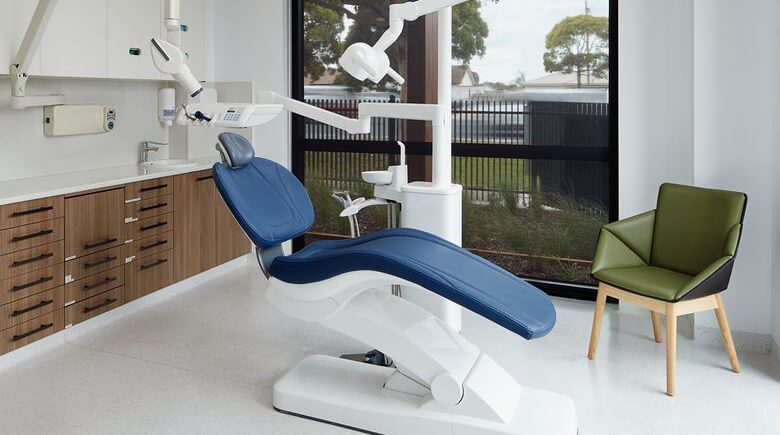
Gum disease starts when bacteria in plaque irritate the tissues that support your teeth. The first stage, gingivitis, makes the gums red, puffy or quick to bleed. At this point the damage can usually be turned around with a professional clean and better daily care.
Without treatment, gingivitis can progress to periodontitis. The gum pulls away from the tooth to form pockets, and the bone holding the tooth can slowly break down. Teeth may loosen over time and, in advanced cases, be lost. Because there is often no pain, regular gum checks matter. Book a check if you notice:
Research has found links between periodontitis and some general health conditions, including diabetes and heart disease. In people with diabetes, gum disease and blood sugar control can affect each other, so it helps to tell us about your medical history.
Smoking is one of the strongest risk factors for gum disease. It also reduces blood flow to the gums, which can mask bleeding and slow healing after treatment.
The right treatment depends on how advanced the disease is. Your dentist will explain what they find and the options that may suit you before anything begins. Gum checks are part of every dental examination.
At Sayers, Dr Mehak Chopra has a special interest in gum health and periodontal care, and any of our dentists can assess your gums.
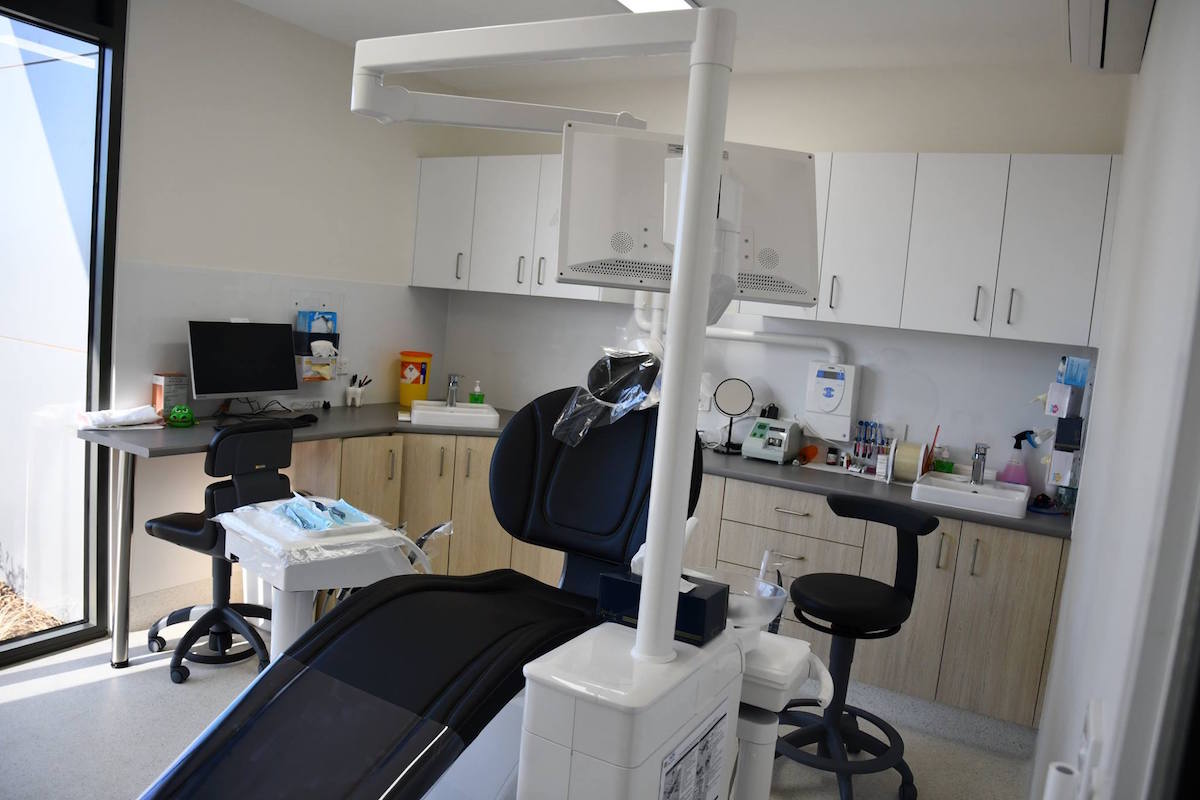
Your dentist measures the spaces between gums and teeth, checks for bleeding and movement, and may take X-rays to look at the supporting bone.
Plaque and tartar are removed from above and just below the gum line.
For deeper pockets, tartar is cleared from the root surfaces under local anaesthetic, and the roots are smoothed so the gum can heal against them.
We show you how to clean along the gum line and between teeth, with tools that suit your mouth.
After several weeks we re-measure the gums to see how they have responded.
Regular maintenance cleans, often every three to six months, help keep gum disease under control.
Antibiotics are sometimes used alongside deep cleaning or surgery. Your dentist will tell you whether they are appropriate for you.
Where deep pockets remain, periodontal surgery may be discussed. Your dentist will explain the procedure and whether a referral is recommended.
If a tooth has lost too much support to be saved, removal may be advised, with replacement options discussed.
Tooth extractions: Removing a toothGood home care is the most important thing you can do to prevent gum disease, and to keep it in check after treatment.
We are happy to show you techniques and products that suit your mouth at any visit, along with diet tips that support healthy gums.
General information about gum disease and periodontal care. Your dentist will assess your gums and explain the options for you.
Usually, if it is found early. Gingivitis tends to settle once plaque and tartar are removed and daily cleaning improves. Periodontitis cannot be fully reversed because lost bone does not grow back by itself, but it can often be controlled so further damage slows or stops.
Bleeding is usually a sign that the gums are inflamed by plaque along the gum line. Keep brushing gently and cleaning between your teeth, and book a gum check rather than avoiding the area.
Bacteria in plaque are the main cause. Smoking, diabetes, some medicines, hormonal changes and genetics can increase the risk or make it harder to control.
Scaling and root planing is done under local anaesthetic, so the area is numb during treatment. Gums can feel tender and teeth a little sensitive for a few days afterwards; we will give you aftercare advice to help.
It depends on how your gums respond. People treated for periodontitis often return every three to six months, and the interval is adjusted over time based on your gum measurements.
Any of our dentists can assess and treat gum disease. Dr Mehak Chopra has a special interest in gum health and periodontal care. If your situation calls for it, your dentist will discuss whether a referral is appropriate.
Cover for periodontal treatment varies between policies. We provide the item numbers on your treatment estimate so you can check your rebate with your fund, and HICAPS lets you claim on the day.
If your gums bleed, feel tender or seem to be receding, book an assessment. We will measure your gum health and explain the options that may suit you.
Sayers Dental Aesthetics & Implants
1/483 Sayers Road, Hoppers Crossing VIC 3029
(03) 9749 1178 · admin@sayersdental.com.au
Request a call back
Complete the form and our reception team will be in touch during business hours.
Your information is kept private and used only to respond to your enquiry. See our privacy policy. For urgent dental pain, please call us.