
01.Awake
Local anaesthetic
Numbs the area being treated while you stay fully awake. It is used for most dental care, with or without sedation.
From a patient, step-by-step approach and local anaesthetic to IV sedation and general anaesthesia for suitable patients after a medical review.
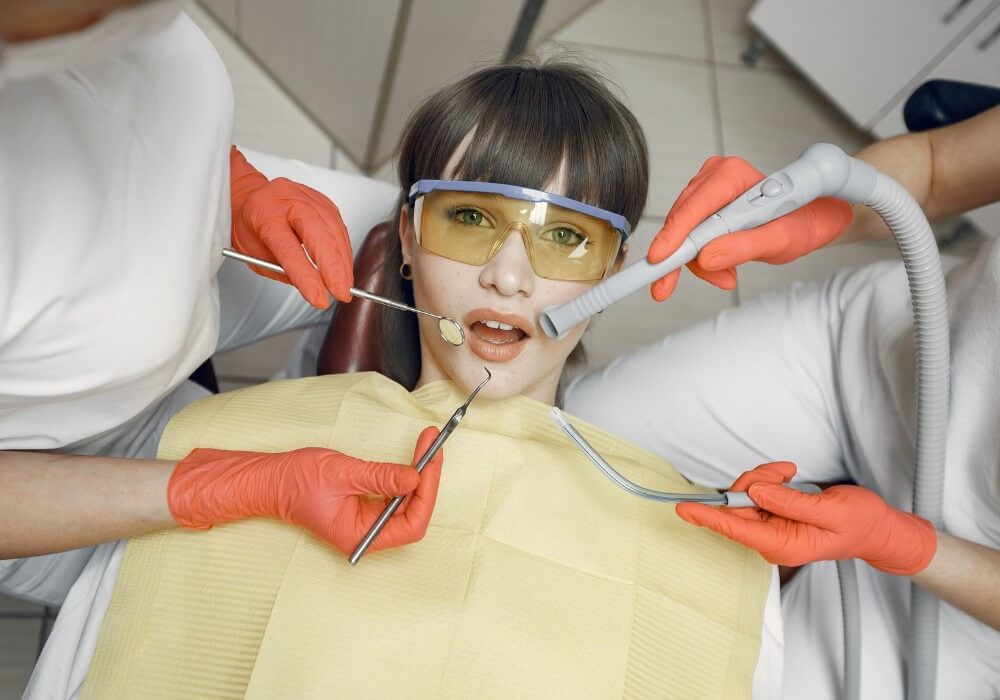
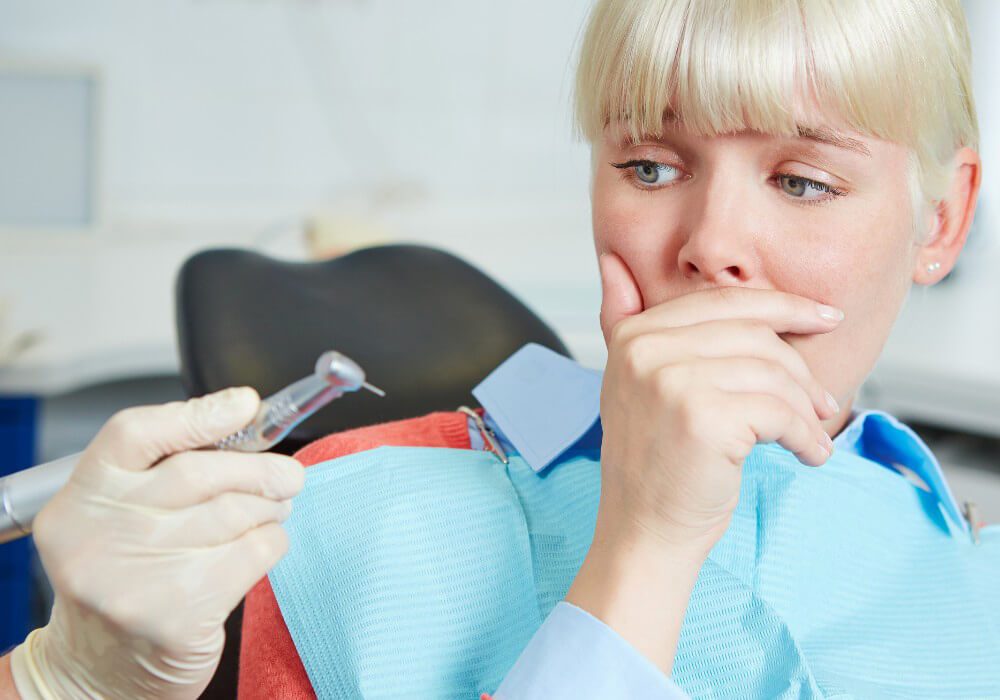
Plenty of people put off dental care because of fear, an upsetting past visit, a sensitive gag reflex or local anaesthetic that never seems to work properly. Waiting can let small problems grow, which can make the next visit feel even harder.
At our Hoppers Crossing practice we start by listening. Tell us what worries you, and we will explain each step before it happens, stop whenever you need a break and plan an approach that suits you. For some people, that includes sedation.
What suits you will depend on your general health, your level of worry and the procedure involved. We talk it through with you and confirm it after an assessment.
Numbs the area being treated while you stay fully awake. It is used for most dental care, with or without sedation.
Sedative medication given through a vein helps you feel deeply relaxed, and you may remember little afterwards. For suitable patients after a medical review.
You are fully asleep for treatment. Considered for extensive treatment or when other options are unsuitable, and arranged after specialist medical review.
Sleep dentistry: General anaesthesiaEvery sedative and anaesthetic carries risks. These, and the alternatives, are explained to you before you decide.
Sedation sits on a spectrum, from feeling calm but fully alert to being completely asleep. The level suggested for you depends on your health, your anxiety and the procedure.
Your dentist will explain which level is being proposed, what you are likely to feel and remember, and how long the effects may last.
IV sedation and general anaesthesia for suitable patients, and how treatment is arranged.
Sleep dentistry: Sleep dentistryPractical ways we help nervous patients feel more in control, from the first phone call onwards.
Dental anxiety: Dental fear managementComfort and sedation options for implant and full-arch treatment.
Dental implants: Implants and comfortBefore any sedation, we review your medical history, medicines and general health. Some conditions, such as obstructive sleep apnoea or a high body weight, need extra assessment because they can raise the risks of sedation.
IV sedation is offered only to suitable patients after a medical review, and general anaesthesia is arranged after specialist medical review. You will receive written instructions, which usually include having a responsible adult take you home.
General information only. Your dentist will advise what suits you after an assessment.
Sedation is commonly used in dentistry, but every sedative and anaesthetic carries risks, which vary with your health and the type used. That is why we review your medical history first, and why IV sedation and general anaesthesia need a medical review. Your dentist will explain the risks and alternatives before you decide.
It depends on the type. The effects of IV sedation fade gradually over the rest of the day, and most people are back to normal activities within 24 hours, depending on their work. You will receive aftercare instructions.
You may be if anxiety, a sensitive gag reflex, difficulty getting numb or the length of treatment makes dental care hard for you. Suitability depends on your medical history and the treatment planned, and is confirmed after an assessment.
Not with IV sedation: you stay conscious but deeply relaxed and may remember little. With general anaesthesia you are fully asleep. Read about sleep dentistry.
Sometimes. For suitable patients, sedation may allow several procedures to be completed in fewer, longer appointments. Your dentist will advise whether this is appropriate for you.
That is common, and telling us helps. We can explain each step, take breaks and agree on a signal to pause. Read about dental anxiety.
Tell us how you feel about dental treatment. We'll listen, explain the options that may suit you and plan your care at a pace that works for you.
Sayers Dental Aesthetics & Implants
1/483 Sayers Road, Hoppers Crossing VIC 3029
(03) 9749 1178 · admin@sayersdental.com.au
Request a call back
Complete the form and our reception team will be in touch during business hours.
Your information is kept private and used only to respond to your enquiry. See our privacy policy. For urgent dental pain, please call us.