
01.Lower risk
Around every 12 months
Healthy gums, little recent decay and good daily care may mean a longer gap between check-ups.
A careful look at your teeth, gums and mouth, a professional clean where needed, and practical advice to help you look after your teeth between visits.
Tooth decay, gum disease and wear often develop slowly and without pain. By the time a tooth aches, the problem may need more involved treatment than it would have if found sooner. A regular dental examination is a chance to pick up those changes while they are small.
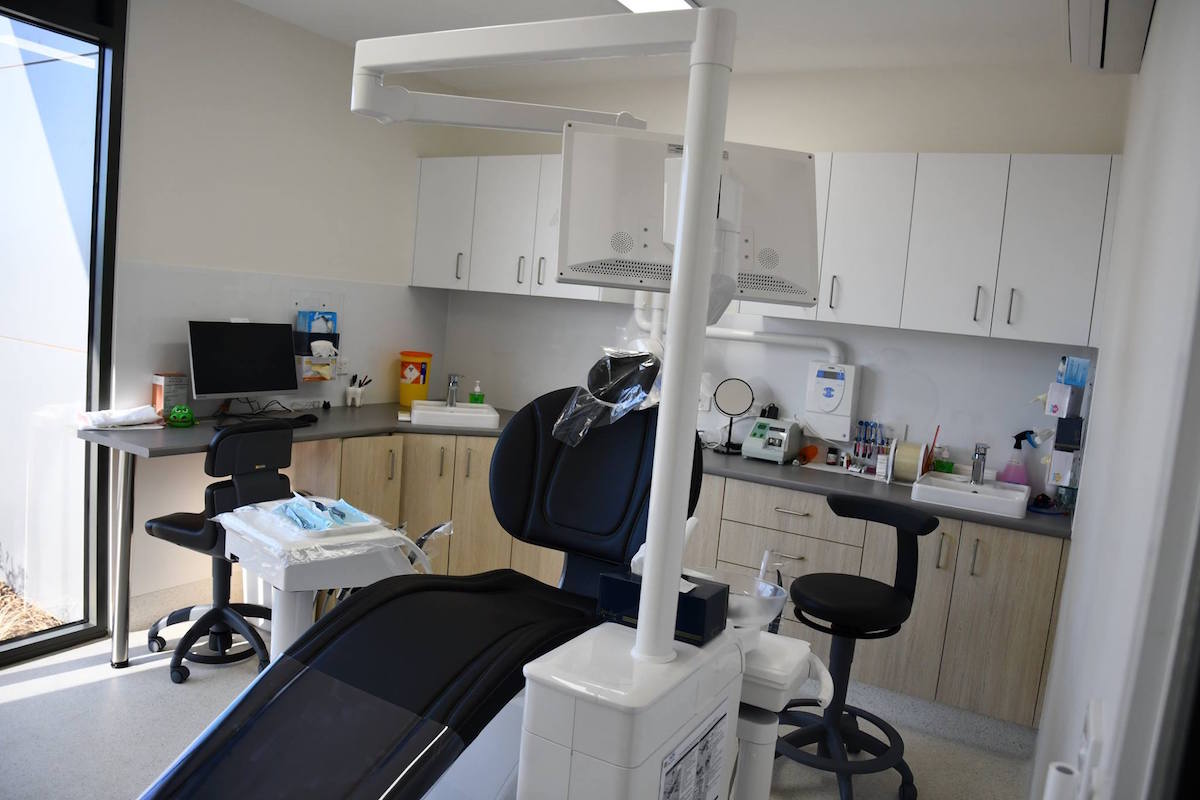
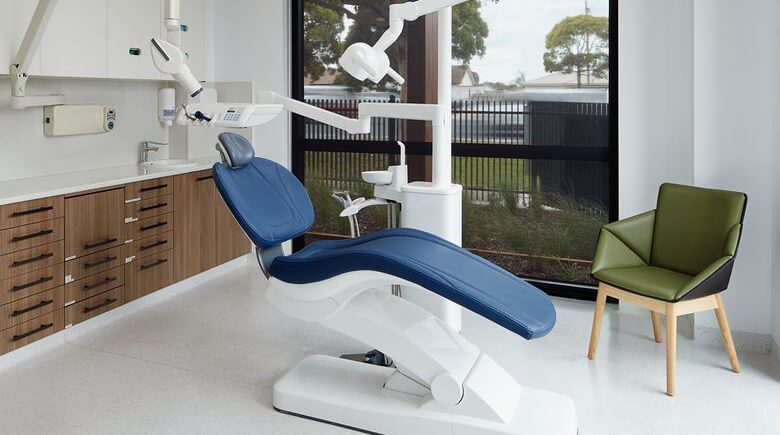
At our Hoppers Crossing practice, an examination is not a quick glance. Your dentist checks each tooth, assesses the health of your gums, looks at your bite and jaw joints, and examines the soft tissues of your mouth, face and neck for anything unusual. An examination can help to:
Your dentist will explain what they find and whether anything needs attention now, later, or simply monitoring.
Appointments are tailored to you, but a routine examination usually follows these steps. A first visit as a new patient may take a little longer.
We ask about your general health, medicines and any concerns, because conditions such as diabetes, and some medicines, can affect your teeth and gums.
Your dentist checks teeth, gums, existing fillings, your bite and the soft tissues of your mouth, face and neck.
Digital X-rays are taken when they will add useful information, based on your age, history and risk. About our X-rays.
Hardened tartar is removed and the teeth are polished, if this is part of your appointment.
A fluoride treatment may be recommended to help strengthen enamel against decay.
We explain what we found, any treatment options with their fees, and when your next check-up should be.
Even with careful brushing and flossing, plaque can harden into tartar (calculus), especially along the gum line and behind the lower front teeth. Once it has hardened, it cannot be brushed away, and it gives bacteria a rough surface to collect on.
Removing it regularly helps keep gums healthy. Where gum disease is more established, deeper cleaning over more than one visit may be recommended, sometimes with local anaesthetic for comfort. Learn about scale and clean visits.
Fluoride makes enamel more resistant to the acids produced when plaque bacteria break down sugars. It can also help repair very early mineral loss before it turns into a cavity.
Whether you need extra fluoride depends on your decay risk. Your dentist may suggest a fluoride varnish at your visit, a higher-strength toothpaste at home, or neither.
There is no single right interval. Your dentist recommends one based on your own risk and explains the reasoning.
Healthy gums, little recent decay and good daily care may mean a longer gap between check-ups.
A usual interval for many adults and children, allowing changes to be picked up early.
Often suggested while gum disease is being managed, or when decay risk is high.
These are general examples only. Your recommended interval is based on a clinical assessment.
General information about dental examinations. For advice about your own teeth, please book an appointment.
Your dentist reviews your health history, checks your teeth, gums, bite and the soft tissues of your mouth, and may take X-rays if they are needed. Many appointments also include a scale and clean. Afterwards, your dentist explains what they found and any options.
It depends on your risk of decay and gum disease. Many people are seen every six months, while some need more frequent visits and others fewer. Your dentist will recommend an interval for you.
No. X-rays are taken only when they are likely to add useful information, such as checking between teeth or below the gum. How often depends on your age, history and current risk.
Tartar is plaque that has hardened onto the tooth, and a toothbrush or floss cannot remove it. Left in place, it can irritate the gums and contribute to gum disease. A professional clean removes it with instruments designed for the job.
Eligible children aged 0 to 17 may be bulk billed for examinations and other services under the Child Dental Benefits Schedule. The benefit is capped by the government over two calendar years. Check eligibility.
Most extras policies include a rebate for examinations and cleans. With HICAPS you can claim at the front desk on the day, and we are a preferred provider for nib, HCF and Westfund.
Due for an examination or clean? Request a time and our reception team will be in touch, or book online now.
Sayers Dental Aesthetics & Implants
1/483 Sayers Road, Hoppers Crossing VIC 3029
(03) 9749 1178 · admin@sayersdental.com.au
Request a call back
Complete the form and our reception team will be in touch during business hours.
Your information is kept private and used only to respond to your enquiry. See our privacy policy. For urgent dental pain, please call us.