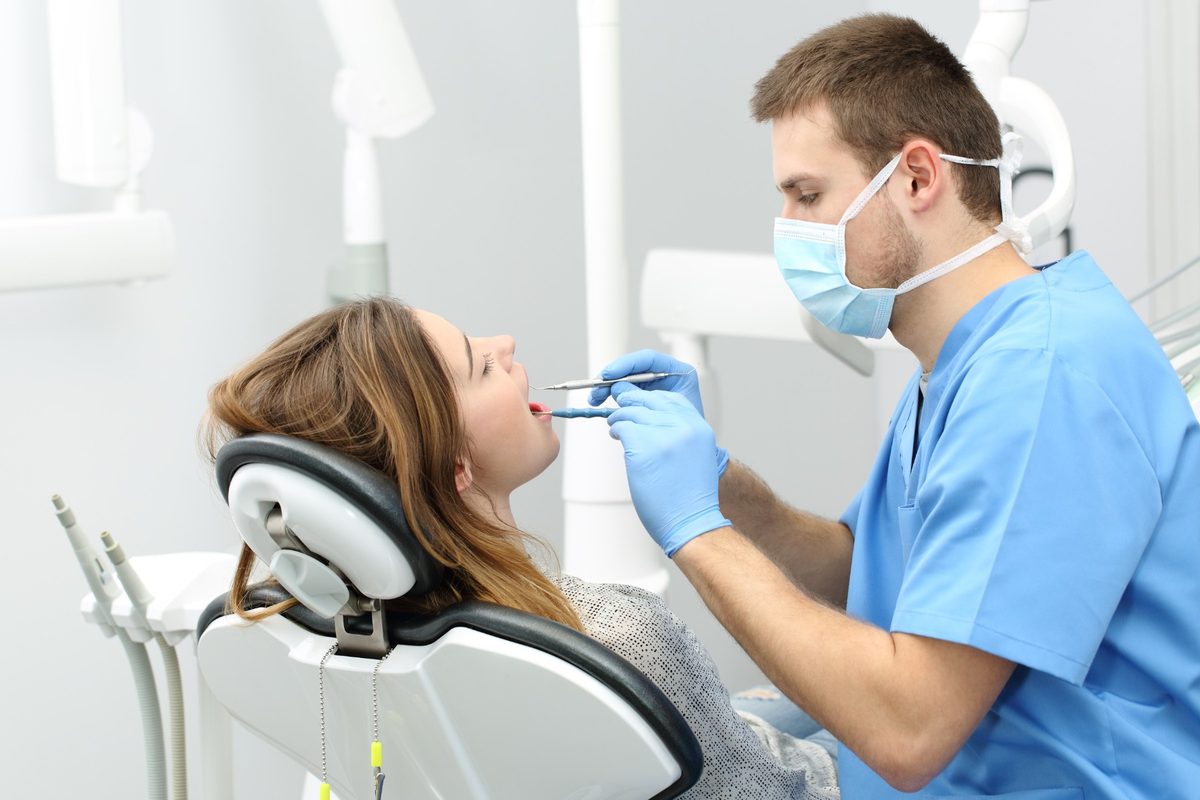
In-chair whitening
A professional-strength gel is applied while your gums are protected, usually in one longer appointment. It may suit people who would like a noticeable change in a shorter time.
About Zoom whitening: In-chair whiteningIn-chair and take-home teeth whitening at our Sayers Road practice, with your teeth and gums checked first so you know what to expect.


Whitening gels contain hydrogen peroxide or carbamide peroxide, which break down the stain molecules held within the enamel and the layer beneath it. Nothing is drilled away; the tooth surface stays intact while its colour becomes lighter.
Natural tooth colour sits somewhere between light grey and light yellow, and teeth tend to darken with age. Whitening can lighten that shade noticeably, but it cannot turn teeth a completely different colour, and the amount of change varies from person to person. A short assessment at our Hoppers Crossing practice helps set realistic expectations first.
Knowing the cause helps your dentist predict how your teeth may respond. Surface staining often lifts well; deeper, internal discolouration can be slower to change and sometimes needs a different approach, such as bonding or veneers.
There are three main ways to whiten teeth. Your dentist will help you weigh them up once your teeth and gums have been checked.
A professional-strength gel is applied while your gums are protected, usually in one longer appointment. It may suit people who would like a noticeable change in a shorter time.
About Zoom whitening: In-chair whiteningTrays made to fit your teeth hold a lower-strength gel that you wear as directed over several days to a few weeks. The change is gradual and easier to control.
Strips, toothpastes and one-size trays use weaker gels and come without a dental check. They may lift some surface stain, but loose-fitting trays can let gel reach the gums and irritate them.
Whichever option you choose, whitening is only advised once any decay or gum problems have been treated.
Whitening only works on natural teeth. Crowns, veneers, fillings, bonding and dentures stay the same colour, so after whitening they may look darker than the teeth around them. If they show when you smile, you may want to plan their replacement afterwards.
Sensitivity is the most common side effect. Teeth often feel tender to cold for a day or two, and gums can be briefly irritated. It usually settles by itself, and your dentist can suggest a desensitising toothpaste or apply fluoride. Read more about sensitive teeth.

An in-chair appointment can take from about one to two hours. The exact steps depend on the whitening system your dentist uses.

Your dentist notes your starting shade so the change can be compared afterwards.
Teeth are polished to remove plaque and surface film.
Retractors hold the lips and cheeks back, and a protective barrier is placed along the gum line.
Gel is applied to the front surfaces and left on in timed cycles, sometimes with a light to help activate it.
The gel is rinsed off, and fluoride may be applied to help with sensitivity.
Avoid strongly coloured food and drink and tobacco for at least the first 24 hours. A follow-up or take-home top-up may be suggested.
General information only. Your dentist can advise whether whitening suits you.
It varies. Results fade gradually, and coffee, tea, red wine and smoking speed this up. Good oral hygiene, regular cleans and occasional top-ups with custom trays can help maintain the shade.
Whitening does not remove enamel; it lightens the colour within the tooth. Temporary sensitivity is the most common side effect. Overusing products, particularly without dental supervision, increases the risk of gum irritation and sensitivity.
No. Crowns, veneers, fillings, bonding and dentures do not change colour with whitening. If they are visible, your dentist can discuss whether they may need replacing to match your whitened teeth.
Most people feel little during treatment, but sensitivity or brief zinging sensations afterwards are common. These usually settle within a day or two. Let your dentist know beforehand if your teeth are already sensitive.
Neither suits everyone. In-chair whitening gives a faster change in one visit, while take-home trays work more gradually and can be reused for top-ups. Some people use both, and your dentist can help you decide.
Not everyone. Whitening is usually postponed during pregnancy and breastfeeding and is not suitable for people allergic to peroxide. Decay and gum disease should be treated first, so a check-up confirms whether it suits you.
That depends on your starting shade and the cause of the discolouration. Yellowish surface staining often responds well, while greyish or internal discolouration can be slower to change. Your dentist will give you a realistic idea at your assessment.
We will check your teeth and gums, record your starting shade and talk through in-chair and take-home options so you can choose what suits you.
Sayers Dental Aesthetics & Implants
1/483 Sayers Road, Hoppers Crossing VIC 3029
(03) 9749 1178 · admin@sayersdental.com.au
Request a call back
Complete the form and our reception team will be in touch during business hours.
Your information is kept private and used only to respond to your enquiry. See our privacy policy. For urgent dental pain, please call us.