
01.Standard
Local anaesthetic
Used for every root canal treatment so the tooth is numb. Many people find it feels similar to having a filling.
Root canal therapy removes inflamed or infected tissue from inside a tooth, aiming to settle pain and infection and to keep your natural tooth where that is possible.
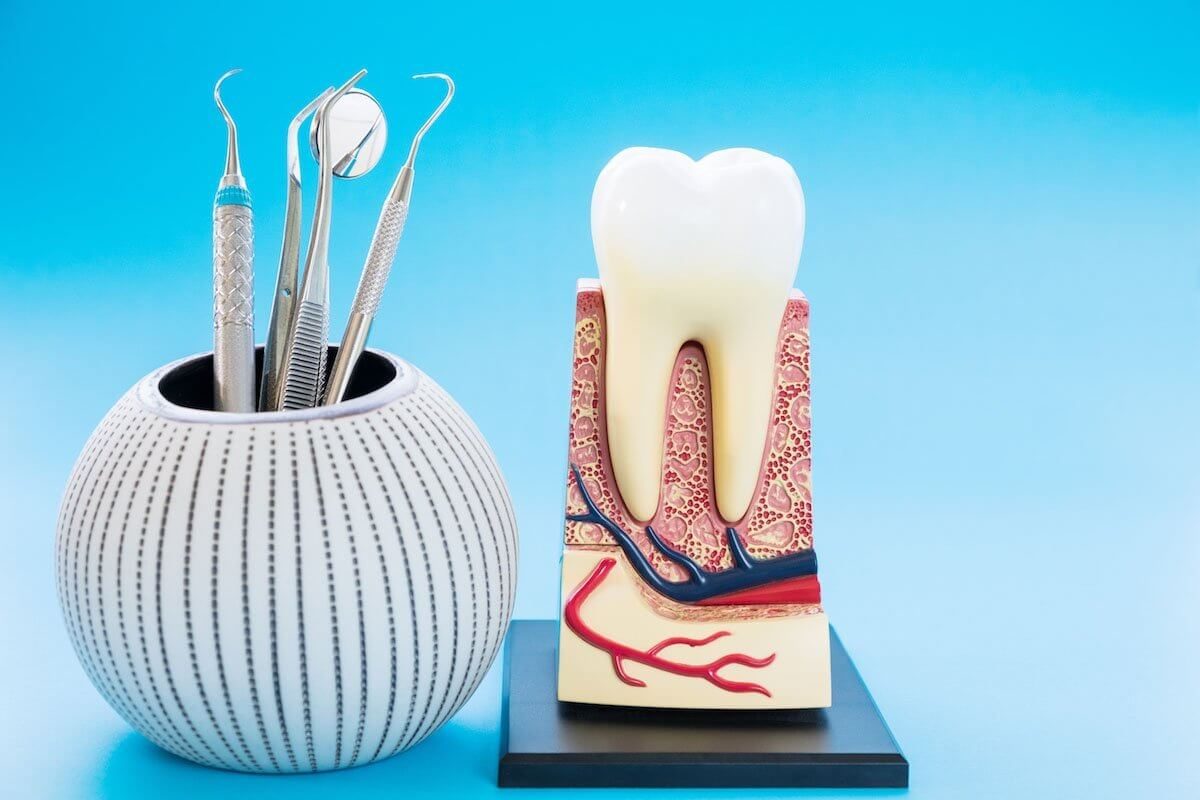
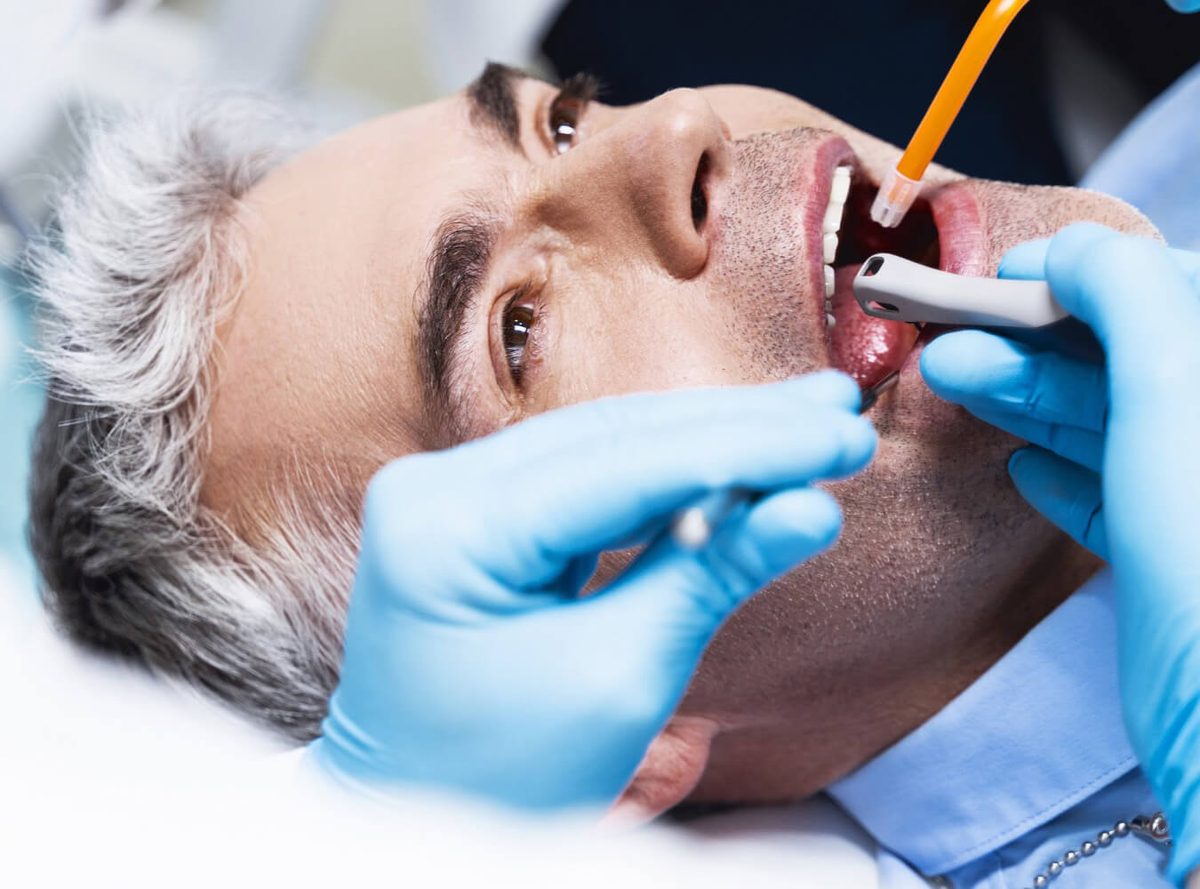
Inside every tooth is a soft core called the pulp, made up of nerves and blood vessels. It sits in narrow channels, the root canals, which run down to the tip of each root. If deep decay, a crack or an injury lets bacteria reach the pulp, it can become inflamed and then infected.
Once that happens, the pulp cannot heal on its own. Root canal therapy cleans the infection out of the canals and seals them, so the tooth can stay in place. The alternative is usually removing the tooth, which your dentist will also discuss with you. Common causes include:
Some infected teeth are very painful. Others cause no symptoms at all and are found on an X-ray at a routine visit. Pain that settles does not always mean the problem has gone; sometimes it means the nerve has died while the infection continues.
Only an examination, usually with an X-ray, can confirm whether root canal therapy is needed. If you are in pain now, read our toothache guidance and call us early in the day.
Treatment is tailored to the tooth. Many teeth are treated over one or two appointments, while more complex teeth may need additional visits.
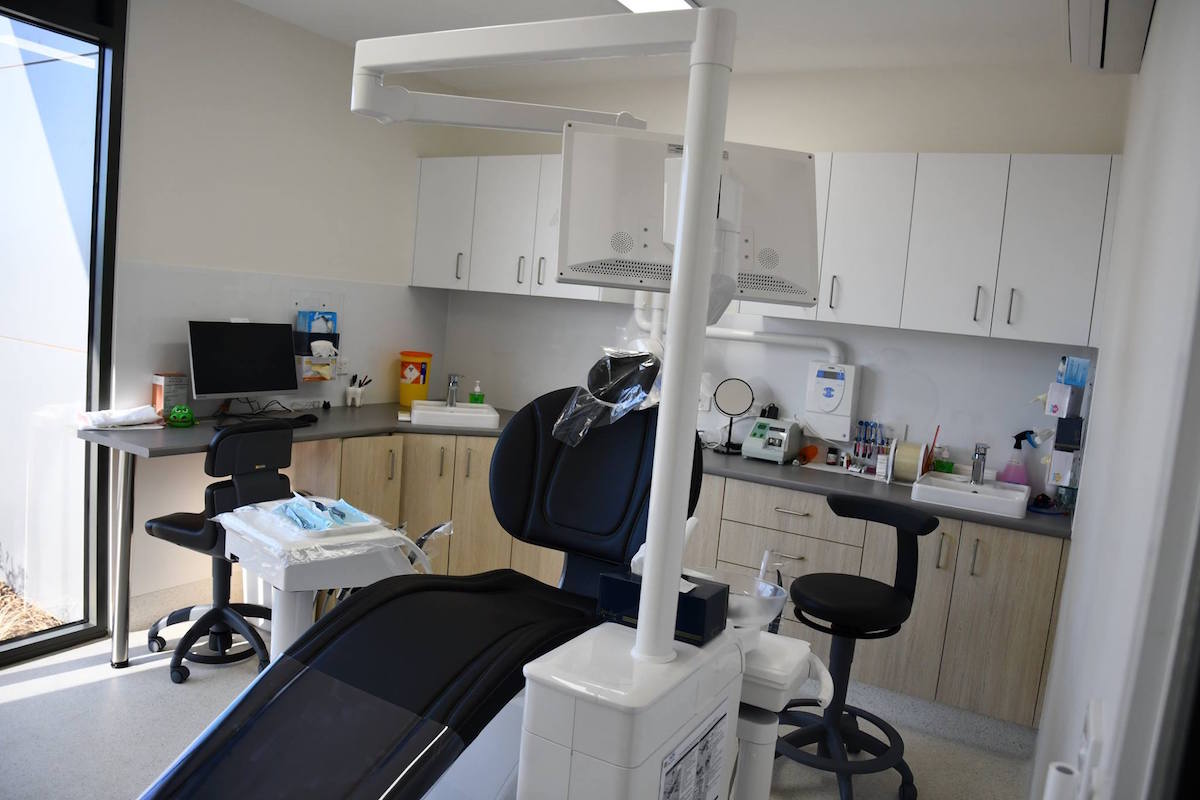
Your dentist examines the tooth and takes an X-ray to see the shape of the roots and any infection around them. About our imaging.
Local anaesthetic is used so the tooth and surrounding gum are numb during treatment.
Through a small opening, the infected pulp is removed and the canals are cleaned, shaped and disinfected.
If infection is present, medication may be placed inside the tooth, with a temporary filling between visits.
Once the canals are clean, they are filled and sealed to help stop bacteria getting back in.
The tooth is rebuilt with a filling or, often for back teeth, a crown to protect it. Crowns and bridges.
Keeping a natural tooth can help maintain your bite and avoid the gap that follows an extraction. Many root-filled teeth continue to work well for years when they are restored and looked after, although this cannot be promised for any individual tooth.
As with any treatment, there are risks. Infection can return and a tooth may need retreatment, a fine instrument can occasionally separate inside a canal, and a root-filled tooth can become brittle without a crown. If a tooth has unusually complex canals, your dentist may discuss referral to a registered specialist endodontist.
Used for every root canal treatment so the tooth is numb. Many people find it feels similar to having a filling.
Time to rest your jaw during longer appointments, and an agreed signal if you need to pause.
IV sedation for suitable patients after a medical review. General anaesthesia is arranged after specialist medical review.
Sedation options: IV sedation or general anaesthesiaGeneral information about root canal therapy. For advice about your own tooth, please book an assessment.
The aim of treatment is to relieve pain, not cause it. The tooth is numbed with local anaesthetic, and many people find the experience similar to a filling. Some tenderness for a few days afterwards is common and usually settles with pain relief your dentist recommends.
Possibly. Pain can stop because the nerve has died while infection remains in the tooth and surrounding bone. An examination and X-ray are needed to know for sure.
Many teeth are treated in one or two visits. Back teeth with several curved canals, or teeth with a lot of infection, can take longer. Your dentist will give you an idea after assessing the tooth.
Often, particularly for back teeth. A root-filled tooth can become more brittle, and a crown helps protect it from breaking. Your dentist will recommend the restoration that suits the tooth.
It depends on the tooth. Keeping a natural tooth can help preserve your bite, but if a tooth is badly broken or the root is cracked, extraction may be the more sensible choice. Your dentist will explain the benefits, risks and fees of each option.
The fee depends on the tooth, the number of canals, the number of visits and the final restoration. You will receive an estimate after your assessment, and health fund rebates depend on your level of cover.
Avoid chewing hard food on the tooth until it has been fully restored, keep brushing and flossing as usual, and attend your follow-up appointments. Contact us if swelling or pain increases rather than settles.
If a tooth is aching or has been flagged on an X-ray, book an assessment. We'll explain what we see and your options, including whether the tooth can be saved.
Sayers Dental Aesthetics & Implants
1/483 Sayers Road, Hoppers Crossing VIC 3029
(03) 9749 1178 · admin@sayersdental.com.au
Request a call back
Complete the form and our reception team will be in touch during business hours.
Your information is kept private and used only to respond to your enquiry. See our privacy policy. For urgent dental pain, please call us.