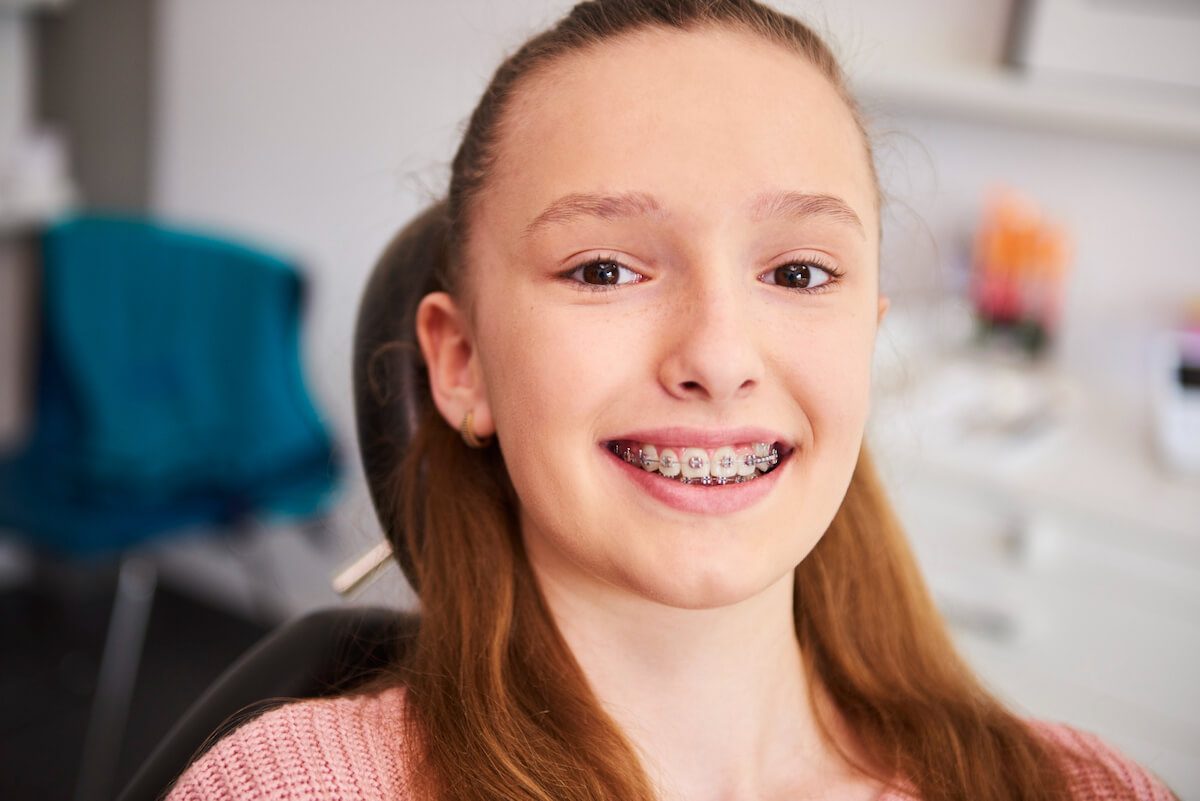
Getting your first braces is a new experience. It is common to feel a little nervous before the fitting appointment, while others look forward to it as a fresh start.
Most people want their time in braces to go as smoothly as possible. Whether you are having traditional braces or another orthodontic appliance, a little preparation beforehand can help. Here are six steps worth taking.
1. Have a check-up and clean
Healthy teeth and gums give orthodontic treatment a good starting point. A check-up and professional clean lets your dentist confirm that your teeth and gums are ready before your orthodontic treatment begins.
It also removes plaque and tartar from areas that will be harder to reach once brackets and wires are in place.
2. Have fillings or other dental work done first
Braces can sometimes be fitted without filling existing cavities first, but it is usually better to have decay treated with a filling beforehand. Cleaning around brackets takes extra care, and an untreated cavity can grow during treatment.
Your dentist may also recommend other treatment before braces go on, such as care for your gums. They will explain why it is needed and what it involves.
3. Start cutting back on foods that can damage braces
Some foods can break brackets or bend wires, and sticky or sugary foods make braces harder to keep clean. It helps to start adjusting your habits before your braces are fitted.
Foods to avoid, or to prepare differently, include:
- chewing gum (ask us whether sugar-free gum is okay with your braces)
- whole apples (slice them into small pieces instead)
- popcorn and hard chips
- corn on the cob (cut the corn off the cob first)
- ice
- whole raw carrots
- hard taco shells
- hard crackers and biscuits
- hard, chewy or sticky lollies
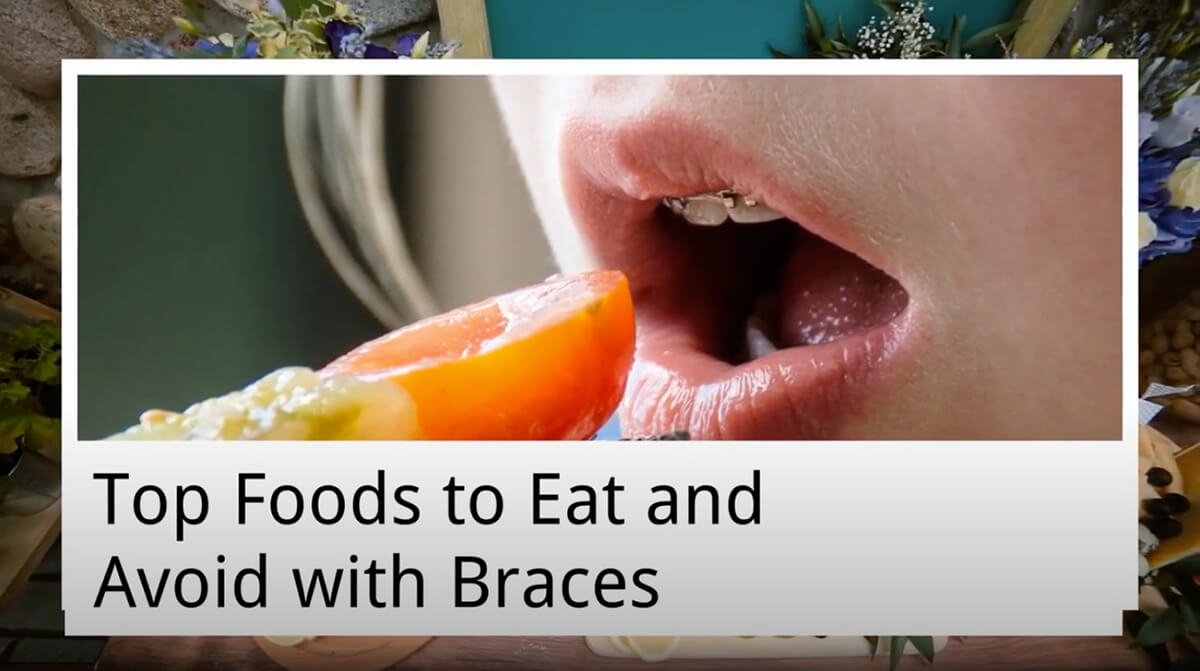
Keep eating a balanced diet so you still get the nutrients you need while you adjust. Our article on foods to eat and avoid with braces has more ideas.
4. Clean your teeth thoroughly before your appointment
Give your teeth a thorough brush and floss before your fitting, paying attention to the gum line and the spaces between your teeth.
Braces are a team effort, and good cleaning habits from the start make a real difference. Your dental team will also make sure your teeth are clean before the brackets are attached.
5. Stock up on soft foods and pain relief
Teeth often feel tender for a few days after braces are fitted, and again after adjustments, as the braces begin to apply pressure. Having soft foods at home makes those first days easier. Yoghurt, soups, smoothies, eggs, pasta and mashed vegetables are good examples.
Over-the-counter pain relief may help with the discomfort. Ask your pharmacist or doctor what suits you, and follow the directions on the pack. Orthodontic wax can also help if a bracket rubs on your cheek or lip.
6. Take a “before” photo
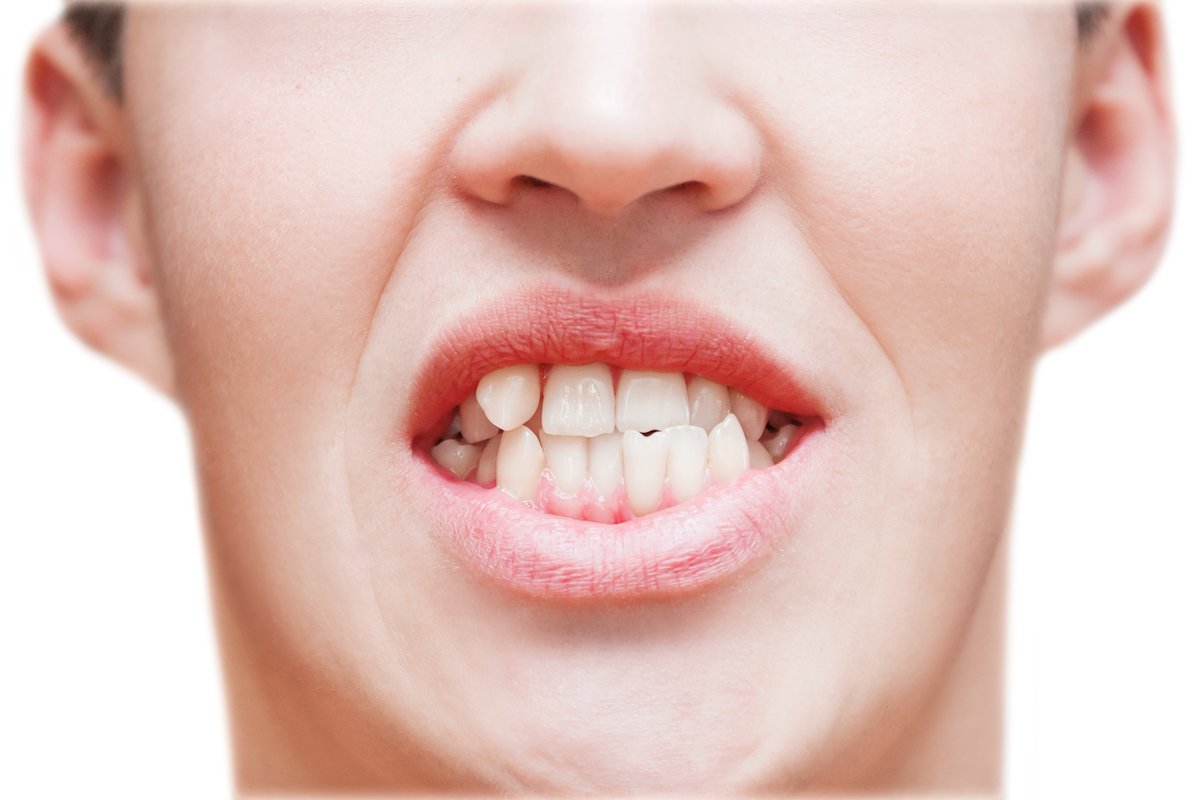
On the day your braces go on, take a photo of your smile. Teeth move gradually, so a starting photo is a simple way to look back on how things have changed over the months of treatment.
If you are getting ready for braces or would like to talk about your options, call our Hoppers Crossing team on (03) 9749 1178 or request an appointment online. You can also read more about braces at Sayers Dental.
This article is general information only and is not a substitute for advice from a registered health practitioner. Suitability, risks, benefits and costs depend on your individual situation and are confirmed after a clinical assessment. All dental treatment carries risks, and outcomes vary between patients.