
01.Wear
Keep them in
Take aligners out only to eat, drink anything other than plain water, and clean your teeth.
Custom-made, near-clear aligners for teenagers and adults, planned from a scan of your teeth and reviewed at our Sayers Road practice.
Clear aligners are thin, transparent trays made to fit snugly over your teeth. Each set in the series is shaped slightly differently from the one before, so wearing them in order applies gentle pressure that moves the teeth step by step towards a planned position.
Invisalign® is one well-known brand of clear aligner, and other brands work on the same principle. Your dentist will talk you through the aligner system recommended for your treatment. People often look into aligners because:
Aligners rely on you. They are designed to be worn for most of the day and night, and treatment may take longer, or not progress as planned, if they are left out.
Aligners can be used for a range of alignment and bite concerns, from mild crowding or spacing through to some more involved bite problems. Small tooth-coloured attachments are sometimes bonded to certain teeth to help the aligners grip and guide particular movements.
More complex movements may be better suited to fixed braces or a combined approach. Your dentist will explain what is realistic for your teeth before you commit to anything.
Every plan is individual, and timeframes vary. Clear aligner treatment at Sayers commonly follows these stages.
We discuss what you would like to change and examine your teeth, gums and bite to see whether aligners may suit you.
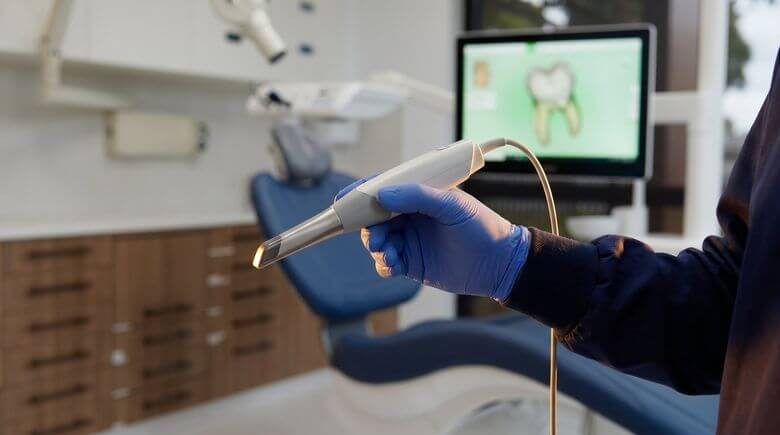
X-rays and a scan of your teeth are used to plan each stage of movement digitally.
You receive the proposed plan, the alternatives, the risks, an estimated timeframe and a written estimate.
We check the fit, place any attachments and show you how to insert, remove and clean your aligners.
Aligners are usually worn around 20 to 22 hours a day, moving to the next set every week or two as directed.
Review visits track progress, and a retainer helps hold the teeth in place afterwards.
Clear aligners and fixed braces both move teeth with gentle, sustained pressure. Neither is right for everyone, and the more suitable choice depends on the movements your teeth need and how you live day to day.
For a fuller comparison, read our article braces and clear aligners in Hoppers Crossing: your options explained.
This is a general guide only and is not a diagnosis. Suitability is confirmed after an examination.
Take aligners out only to eat, drink anything other than plain water, and clean your teeth.
Rinse aligners whenever you remove them and brush them gently with a soft brush and cool water. Hot water can warp the plastic.
Brush and floss before putting aligners back in, so food and sugar are not held against your teeth.
Keep aligners in their case when they are out. Many go missing when wrapped in a napkin at mealtimes.
General information about clear aligners. For advice about your own teeth, please book a consultation.
Invisalign® is one brand of clear aligner. Other brands use the same basic approach of a series of custom-made, removable trays that move teeth in stages. Your dentist will recommend an aligner system based on your treatment needs.
Usually around 20 to 22 hours a day. You take them out to eat, to drink anything other than plain water, and to brush and floss. Leaving them out for longer can slow progress or stop the teeth tracking as planned.
It depends on how far the teeth need to move. Minor corrections may take several months, while more involved cases can take a year or longer. Your dentist will give you an estimate after your examination and scan.
They can be, once the adult teeth have come through and if the teenager is able to wear the aligners consistently. Parents often find it helps to agree on a routine for wearing and storing them. Your dentist will advise whether aligners or braces may suit your child better.
Most people feel pressure or tightness for a day or two when they start a new set, which usually settles. Edges can occasionally rub, and your dentist can smooth them if needed.
Both can straighten teeth. Aligners are removable and hard to notice but depend on consistent wear, while braces are fixed and may be preferred for some complex movements. Your dentist will explain which may suit your teeth after an examination.
Rinse them each time you take them out, and brush them gently with a soft toothbrush and cool water at least once a day. Avoid hot water, which can distort the plastic, and keep them in their case when they are not in your mouth.
Usually, yes. Teeth can drift back towards their old positions after any orthodontic treatment, so a retainer is recommended to help hold them in place. Your dentist will explain the type and how often to wear it.
Start with a complimentary orthodontic consultation, terms apply. We'll look at your teeth and bite, explain whether clear aligners may suit you and give you a written estimate.
Sayers Dental Aesthetics & Implants
1/483 Sayers Road, Hoppers Crossing VIC 3029
(03) 9749 1178 · admin@sayersdental.com.au
Request a call back
Complete the form and our reception team will be in touch during business hours.
Your information is kept private and used only to respond to your enquiry. See our privacy policy. For urgent dental pain, please call us.