
Early Orthodontic Treatment: Why Timing Can Make All the Difference
Many parents assume orthodontic treatment begins during the teenage years, but in some cases, identifying bite concerns much earlier can make a significant difference. Early orthodontic intervention allows dentists to assess how a child’s teeth and jaws are developing and, where clinically appropriate, guide growth while the jaw is still developing.
Braydon’s smile journey demonstrates how carefully planned orthodontic treatment during childhood helped improve his bite, guide jaw development, and create a healthier foundation for the future.
Every child is different. Treatment recommendations are based on a comprehensive clinical assessment and are tailored to each patient’s individual needs.

What Is a Class III Bite?
A Class III malocclusion occurs when the lower jaw and lower teeth sit further forward than the upper teeth. This may create what is commonly known as an underbite.
As children grow, a developing Class III bite can become more noticeable. If left untreated, some cases may become increasingly complex and may eventually require more extensive treatment later in life.
According to the Australian Society of Orthodontists, some orthodontic conditions benefit from assessment during childhood, allowing growth and development to be monitored.
Braydon’s Orthodontic Assessment
When Braydon first presented to Sayers Dental Aesthetics & Implants, he had a developing Class III bite relationship. His lower jaw and lower teeth were positioned ahead of the upper teeth, together with an anterior crossbite.
Rather than waiting until adulthood, a personalised treatment plan was developed to guide jaw development while Braydon was still growing.
The treatment goals included:
- Guide jaw development during growth
- Correct the anterior crossbite
- Improve coordination between the upper and lower dental arches
- Establish a positive overjet and overbite
- Create a functional, stable bite
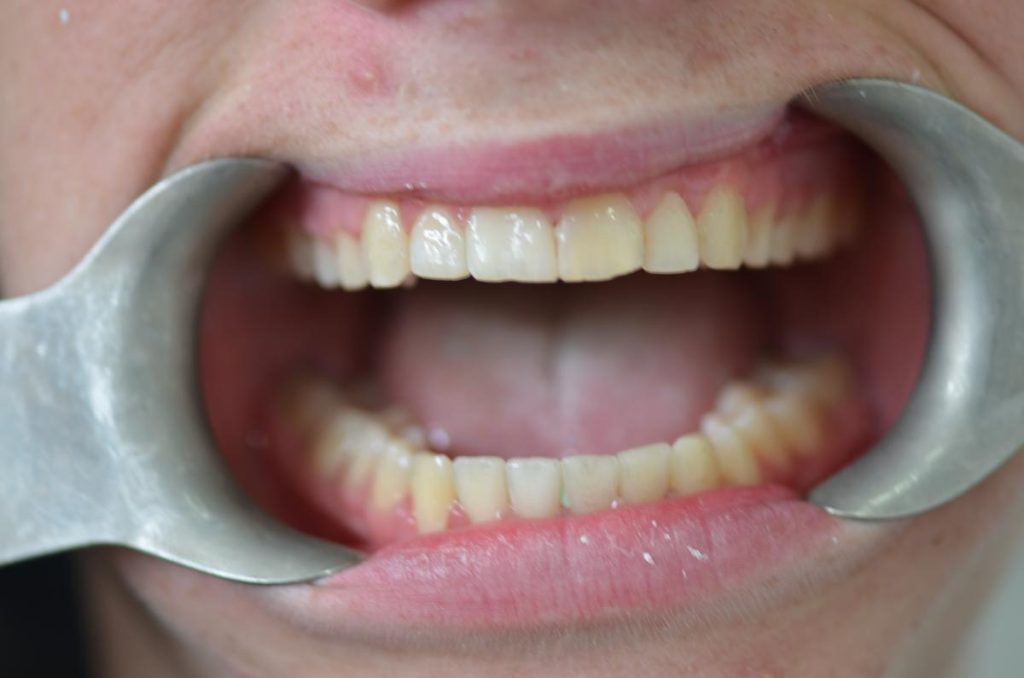
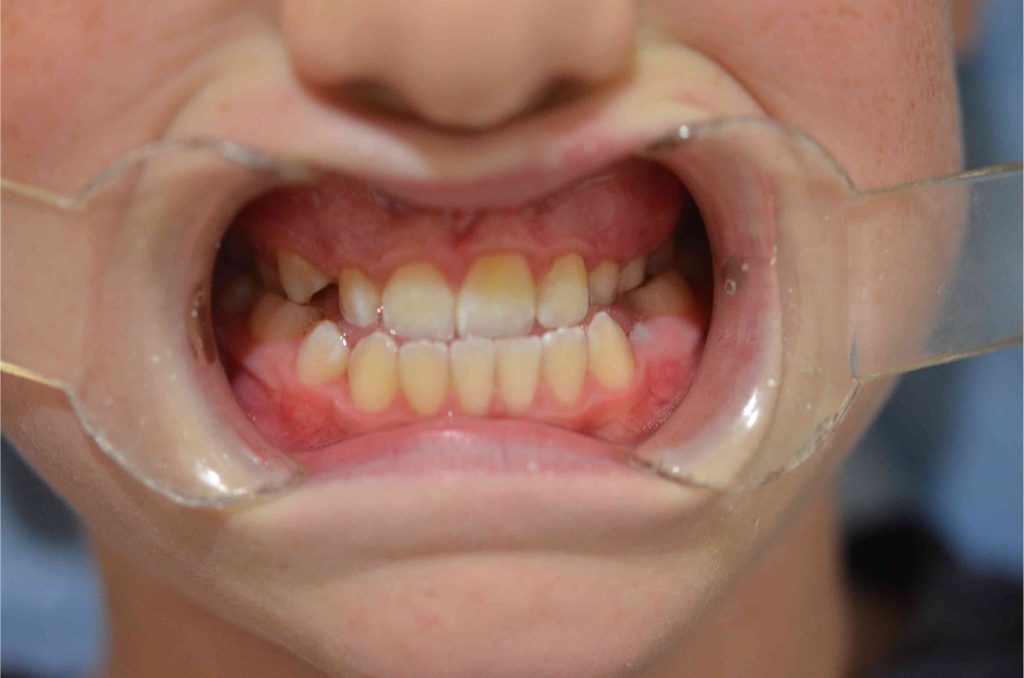
Why Early Orthodontic Treatment Matters
Not every child requires early orthodontic treatment, but for certain bite concerns, timing can play an important role.
When treatment is undertaken during periods of active growth, orthodontic appliances may be able to guide jaw development while bones are still growing.
Depending on the individual case, early intervention may help:
- Improve bite function
- Correct crossbites
- Guide jaw development
- Create improved upper and lower jaw relationships
- Reduce the complexity of future orthodontic treatment
Recommendations always depend on the child’s individual growth pattern and clinical assessment.
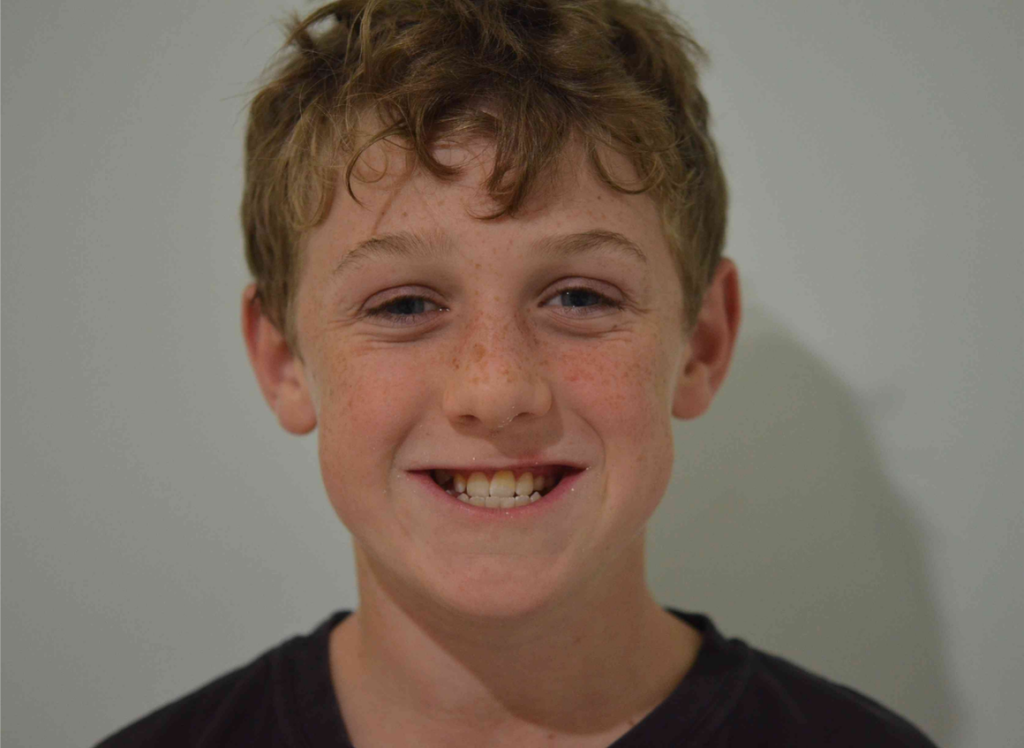
Braydon’s Treatment Outcome
Following approximately two years of carefully planned orthodontic treatment, Braydon achieved a balanced, functional bite and a healthier smile.
His treatment successfully:
- Corrected the developing Class III bite relationship
- Eliminated the anterior crossbite
- Guided jaw growth during development
- Improved upper and lower arch coordination
- Established a positive overjet and overbite
- Created a functional, stable bite
Today Braydon has improved smile aesthetics, better chewing function and a healthier foundation for long-term dental stability.
When Should Children Have Their First Orthodontic Assessment?
Parents are often surprised to learn that an orthodontic assessment doesn’t necessarily mean treatment will begin straight away.
An early assessment simply allows your dentist to monitor how the teeth and jaws are developing and identify any concerns that may benefit from treatment at the appropriate time.
Some children may simply be monitored until they are older, while others may benefit from earlier intervention depending on their individual needs.
Learn more about orthodontic treatment at Sayers Dental Aesthetics & Implants.
Is Your Child Nervous About Visiting the Dentist?
Some children and parents feel anxious about dental treatment. Our team takes the time to explain every step in a calm and supportive environment.
For patients who experience significant dental anxiety, we also offer a range of sleep dentistry and sedation options where clinically appropriate.
Book an Orthodontic Assessment
If you’ve noticed your child’s teeth don’t seem to line up properly, they have an underbite or crossbite, or you’re simply wondering whether an orthodontic assessment is appropriate, we’re here to help.
Following a comprehensive examination, we’ll explain our findings, discuss any concerns and outline the most appropriate options for your child’s individual circumstances.
Book an orthodontic consultation online today.
Have questions? Contact our friendly team, and we’ll be happy to assist.
Frequently Asked Questions
What is a Class III bite?
A Class III bite is where the lower jaw or lower teeth sit further forward than the upper teeth. This is commonly referred to as an underbite.
Does every child need early orthodontic treatment?
No. Some children simply require monitoring, while others may benefit from treatment during growth. Recommendations depend on each child’s clinical assessment.
Can early orthodontic treatment prevent future problems?
In some cases, early intervention may improve jaw development and reduce the complexity of future treatment. Outcomes vary depending on the individual patient.
At what age should my child have an orthodontic assessment?
An assessment allows your dentist to evaluate developing teeth and jaws and determine whether monitoring or treatment may be appropriate.
Further Reading