
01.Mesial
Tilted forwards
Leaning towards the tooth in front. This is the most common pattern and can trap food against the neighbouring molar.
Not every wisdom tooth needs to come out. We use imaging to check how yours are positioned and recommend removal only when there is a clear reason.

Wisdom teeth, or third molars, are the four teeth at the very back of the mouth, one in each corner. They usually come through in the late teens or twenties, if they come through at all. Some people never develop them.
When there is not enough room in the jaw, a wisdom tooth can become impacted: stuck partly through the gum, tilted against the tooth in front, or held completely within the bone. Some impacted teeth cause no trouble for years; others bring repeated infections or damage to the neighbouring molar.
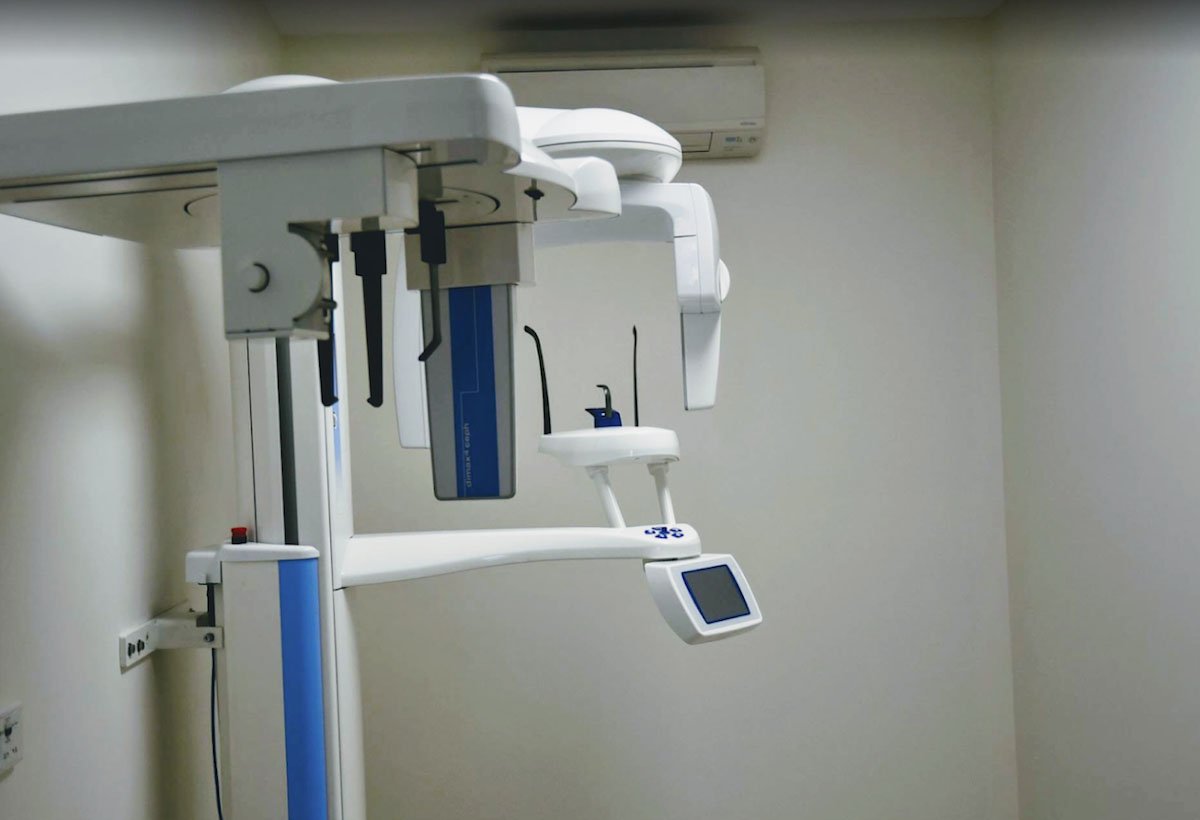
Your dentist will examine the area and usually take an OPG or 3D scan to see the tooth's angle, its roots and how close it sits to the nerve in the lower jaw. About our imaging.
The angle of the tooth affects whether it is likely to cause problems and how involved removal would be.
Leaning towards the tooth in front. This is the most common pattern and can trap food against the neighbouring molar.
Angled towards the back of the mouth, sometimes partly through the gum.
At a right angle to the other teeth, pressing against the roots of the molar in front.
Correctly angled, but held beneath the gum or bone without room to come through.
Removal is generally recommended when a wisdom tooth is causing problems, or is likely to damage nearby teeth. A healthy, well-positioned wisdom tooth that you can clean properly may simply be monitored at your regular check-ups.
Your dentist will explain the reasons in your case, the risks of removing the tooth and the risks of leaving it, so you can make an informed choice.
Every extraction is planned individually. An upper wisdom tooth that has fully come through may be removed much like any other tooth extraction, while an impacted lower tooth usually needs a small surgical procedure.
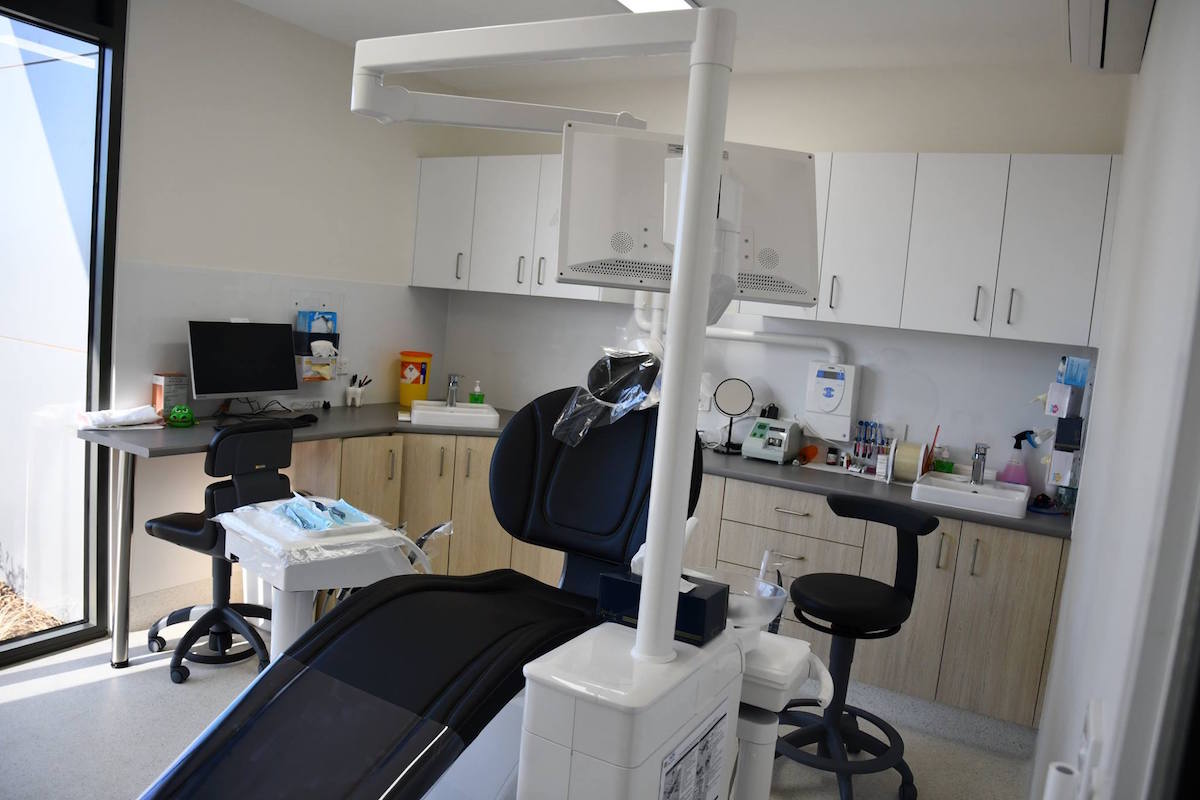
Local anaesthetic is used for every extraction, with sedation options discussed for suitable patients.
If the tooth is covered, a small opening is made in the gum, and a little bone may be removed to reach it.
The tooth may be divided into smaller pieces so it can be removed with less force.
The socket is cleaned and the gum is closed, often with dissolving stitches.
You bite on gauze to control bleeding while a blood clot forms to protect the socket.
Suitable for many wisdom tooth extractions. The area is numb, and you can communicate with your dentist throughout.
IV sedation may be considered for suitable patients after a medical review. General anaesthesia is arranged after specialist medical review.
Sedation options: Sedation optionsIf a tooth sits very deep or close to the nerve, your dentist may recommend referral to a registered specialist oral and maxillofacial surgeon.
Most people feel noticeably better within about a week, although this varies with how complex the extraction was, the anaesthetic used and how closely aftercare advice is followed. Swelling often peaks around the second or third day.
Contact us if pain gets worse rather than better after a few days, if bleeding will not stop with firm pressure, or if you develop a fever or increasing swelling.
General information about wisdom teeth. For advice about your own teeth, please book an assessment.
No. Wisdom teeth that have come through fully, are healthy and can be cleaned well can often stay. Removal is usually recommended when a tooth is causing problems or is likely to, which your dentist assesses with an examination and imaging.
Wisdom teeth are commonly assessed in the mid to late teens, when an OPG can show how they are developing. If removal is needed, it is often more straightforward in younger adults, but people of any age can be assessed.
Local anaesthetic numbs the tooth, gum and surrounding bone first, so during the procedure you should feel pressure rather than pain. Soreness, swelling and some jaw stiffness are common for several days afterwards, and your dentist will advise on pain relief.
Common effects include swelling, bruising and jaw stiffness. Less often, a dry socket or infection can develop. For lower wisdom teeth close to the nerve, there is a small risk of numbness or tingling in the lip, chin or tongue, which usually settles but can occasionally persist. Your dentist will explain your individual risks.
Most people return to usual activities within a few days and feel close to normal within about a week. More complex extractions can take longer, and the gum and bone continue healing for several weeks.
IV sedation may be available for suitable patients after a medical review, and general anaesthesia can be arranged after specialist medical review. Your dentist will talk through what is appropriate for you.
Rinse gently with warm salt water, keep the area as clean as you can and call us for an appointment. If swelling is spreading, you have a fever, or it affects your breathing or swallowing, go to a hospital emergency department or call 000. Dental emergencies.
Book an assessment and we'll look at how your wisdom teeth are positioned, whether they need attention and what removal would involve.
Sayers Dental Aesthetics & Implants
1/483 Sayers Road, Hoppers Crossing VIC 3029
(03) 9749 1178 · admin@sayersdental.com.au
Request a call back
Complete the form and our reception team will be in touch during business hours.
Your information is kept private and used only to respond to your enquiry. See our privacy policy. For urgent dental pain, please call us.