If you are missing one tooth, several teeth or a whole arch, you may have looked into dental implants as a way to replace them. You have probably also noticed that implants usually cost more upfront than other options, and wondered whether it is worth collecting a few quotes.
Seeking a second opinion before major dental treatment is sensible, and we are happy to encourage it. Price matters, but on its own it tells you little about whether a plan suits your mouth. Dental treatment is not like buying an appliance with a price tag on the shelf: every case is different, and two quotes that look similar can describe quite different treatment.
Implants and the other ways to replace teeth
Implants are one of several ways to replace missing teeth. The main alternatives are a bridge, a removable denture, or leaving the gap as it is. Each has its place, and the right choice depends on your mouth, your general health and your priorities. Comparing them on upfront cost alone can be misleading, because their ongoing costs and long-term effects differ.
- A bridge fills a gap by attaching a false tooth to the teeth on either side. It is fixed in place and can be quicker to complete, but the neighbouring teeth usually need to be shaped to hold it, and the bone where the tooth was lost is no longer stimulated. Like any restoration, a bridge may need replacing in time.
- A removable denture usually has the lowest upfront cost. Dentures need relining or remaking as the gums and bone change shape, and ongoing costs such as cleaning products and adjustments add up. Some people find them loose or uncomfortable, and an ill-fitting denture can make the gums sore. Read more about dentures.
- Leaving the gap costs nothing at first. Over time, though, neighbouring teeth can tip into the space, the opposing tooth may over-erupt, and the jawbone where the tooth was tends to shrink, which can make later treatment more involved.
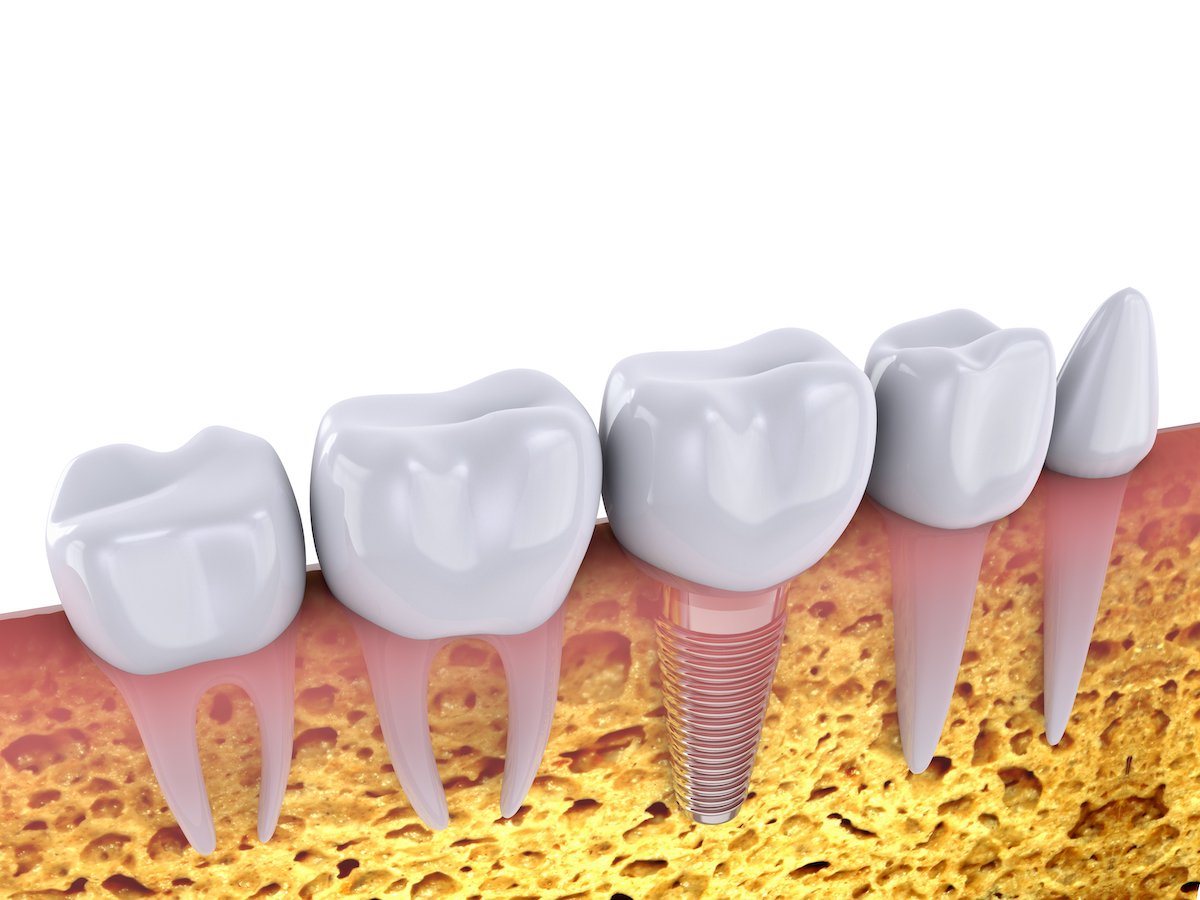
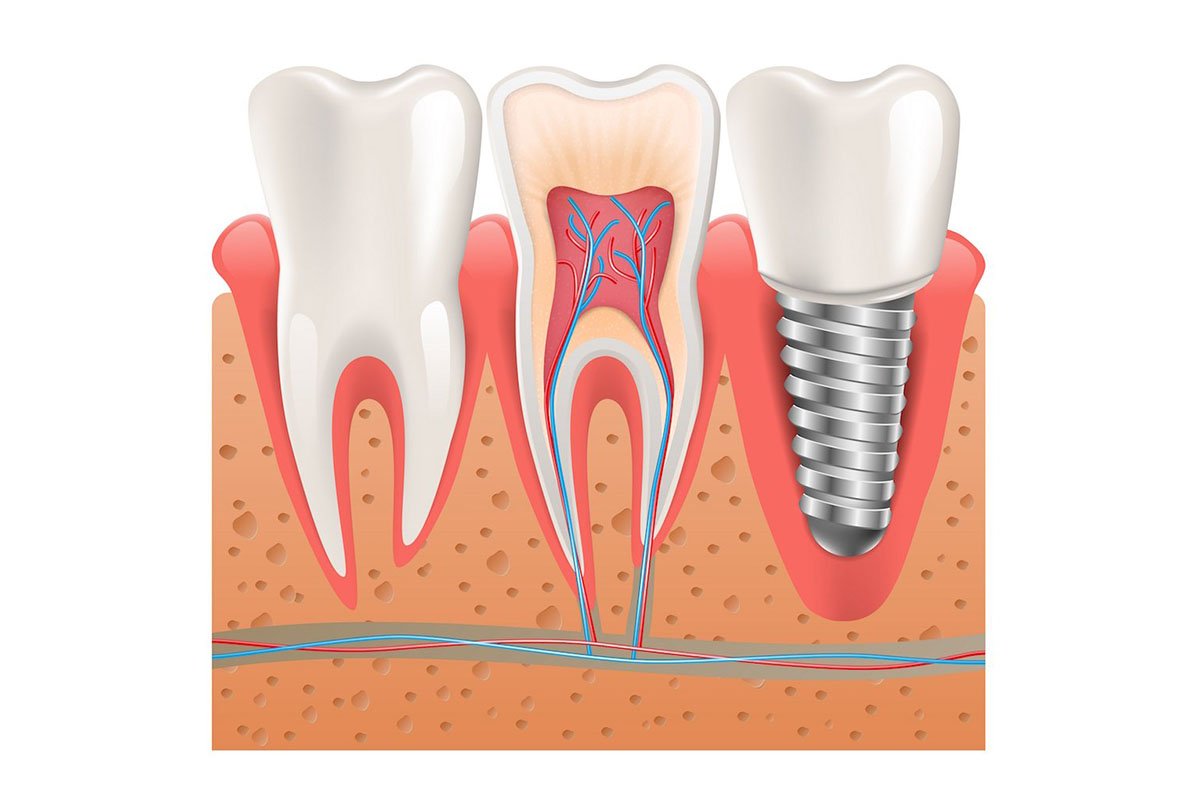
An implant does not rely on the neighbouring teeth for support and may help limit bone loss where the tooth used to be. Implants can last many years with good care, although no lifespan can be promised. Weighed over the long term, they may represent good value for some people, but they are not suitable for everyone. Our article on whether implants are a long-term solution looks at this in more detail.
Why implant quotes vary
The cost of implant treatment depends on your needs and your health, so a quote for "an implant" can cover quite different things from one practice to the next. When you compare quotes, check whether each one includes:
- Assessment and imaging, such as a 3D CBCT scan to check the volume of bone and the position of nerves and sinuses.
- Any preparatory treatment, such as treating gum disease, removing a failing tooth, or a bone graft where there is not enough bone to hold an implant.
- Every stage of treatment: the implant itself, the abutment (the connector) and the crown, bridge or denture that sits on top.
- Reviews and maintenance after the implant has been placed.
Timing can affect cost too. After a tooth is lost, the jawbone in that area gradually shrinks, so the longer a gap is left, the more likely it is that a graft will be needed before an implant can be placed.
It is often assumed that replacing a whole arch of teeth with implants means one implant for every tooth. That is not always the case. Approaches such as All-on-X support a full arch of fixed teeth on four or more implants, and may cost less than people expect. Whether it is an option for you is confirmed after an assessment and imaging.
Whatever the figure, your dentist should be able to explain in plain language why your estimate is what it is. Be cautious of any quote, high or low, that cannot be explained that way.
A note on advertised prices
Advertised implant prices can be a starting point, but they rarely describe a complete treatment plan.
- A headline price may cover a single implant placed in an ideal position with plenty of bone, and leave out imaging, grafting, the abutment or the crown.
- A price may apply only to a particular implant system or design, rather than the one that suits your mouth.
- Some people consider treatment interstate or overseas. If you are weighing this up, think about how reviews, follow-up care and any complications would be managed once you are home, and ask for full written records of the implant components used, as parts are specific to each system.
A low price should never override your own judgement about the plan, the people and the follow-up care behind it.
Questions worth asking any practice
Once you know what each quote includes, these questions can help you compare the care behind it. Our guide to what to ask before dental implants has more.
1. Who will plan and place the implant?
- What training have you completed in implant dentistry?
- How often do you place and restore implants?
- Will the same dentist look after both the surgical and the restorative stages?
2. How has my treatment been planned?
- What imaging has been used, and what did it show?
- What are my alternatives, including not having treatment?
- What are the risks for me, and how would any complications be handled?
3. How do I feel at this practice?
You should feel comfortable asking questions and sharing your full medical history and habits, such as smoking or grinding, because they affect treatment. Notice whether the team listens, explains things clearly and gives you time to decide.
4. What facilities and follow-up are available?
Ask what imaging is available on site, how treatment will be staged, and who you can contact if you have a question or concern afterwards.
5. What will my health fund contribute?
Many extras policies include some cover for major dental items, subject to waiting periods and annual limits, so it is worth checking with your fund. Ask for an itemised estimate you can take to them, and about payment plans if you would like to spread the cost.
When these points are clear, price becomes one part of a well-informed decision rather than the only one. At our Hoppers Crossing practice, implant treatment is planned with 3D imaging, and you receive a written treatment plan and itemised estimate to consider in your own time.
An accurate estimate for implant treatment needs an examination and imaging. To talk through your dental implant options, call our Hoppers Crossing team on (03) 9749 1178 or request an appointment online.
This article is general information only and is not a substitute for advice from a registered health practitioner. Suitability, risks, benefits and costs depend on your individual situation and are confirmed after a clinical assessment. All dental treatment carries risks, and outcomes vary between patients.